










Somewhere this week, a home improvement company will sell a bathroom remodel that can’t be installed as quoted. The measurements will be off, materials won’t be available, or the installation schedule won’t account for a permit delay that operations already knew about. The customer won’t find out until later, and the rework will cost more than anyone budgets for.
Most companies treat that as a ne-off, but it rarely is.
Experience shows that these failures tend to live between departments. Design quotes a project without visibility into material availability. Scheduling commits to a timeline that installers can’t support. Project data sits in one system while the field team works from another.
The breakdowns are small and familiar, and in a forgiving labor market, companies could absorb them with extra headcount and hours.
That market is now gone. The industry needed 439,000 new workers in 2025, but added 14,000. Ninety-two percent of contractors can’t find qualified talent. Productivity across construction has improved by just 10% in 20 years. The cushion is gone, and the cost of disconnected teams is about to get very visible.
Closing those gaps requires more than just technology. It requires companies to rethink how construction, design, operations, and technology teams communicate, share data, and stay accountable across the full project lifecycle.
Scaling and Customer Experience Aren’t Competing Priorities
There’s a common assumption in construction, especially at smaller firms, that growth necessarily comes at the customer’s expense. Scale the business and quality slips. Prioritize the customer experience, and you cap how fast you can grow.
That framing misses the real dynamic. So many of the delays, inconsistent communication, and surprises that frustrate homeowners are actually symptoms of a disconnected internal processes. A customer who gets three different answers about their installation date isn’t experiencing a customer service problem–they’re experiencing a scheduling system that doesn’t talk to the field.
Tightening the connections between departments improves both sides of the scale and customer experience equation simultaneously.
Accurate project data captured at the point of sale means fewer surprises during installation. Real-time visibility into installer capacity and material availability translates to schedules that hold.
When internal operations get cleaner, the customer experience automatically improves.
 The Tools Only Work If the Teams Do
Technology can play a central role in connecting departments, but to do so, it must be built around how people actually work.
An organization’s first customers are usually internal — its sales consultants, schedulers, and installers — and building effective tools for them requires understanding their reality firsthand.
Developers and product teams are more effective when they have direct exposure to field operations. When they ride along with installation crews and sit in on customer appointments, they understand the real constraints that shape a project before they ever write a line of code.
Too many companies build or buy tools in a vacuum. A corporate team designs a system it thinks the field will love, deploys it without input from the people who will use it, and then wonders why adoption stalls.
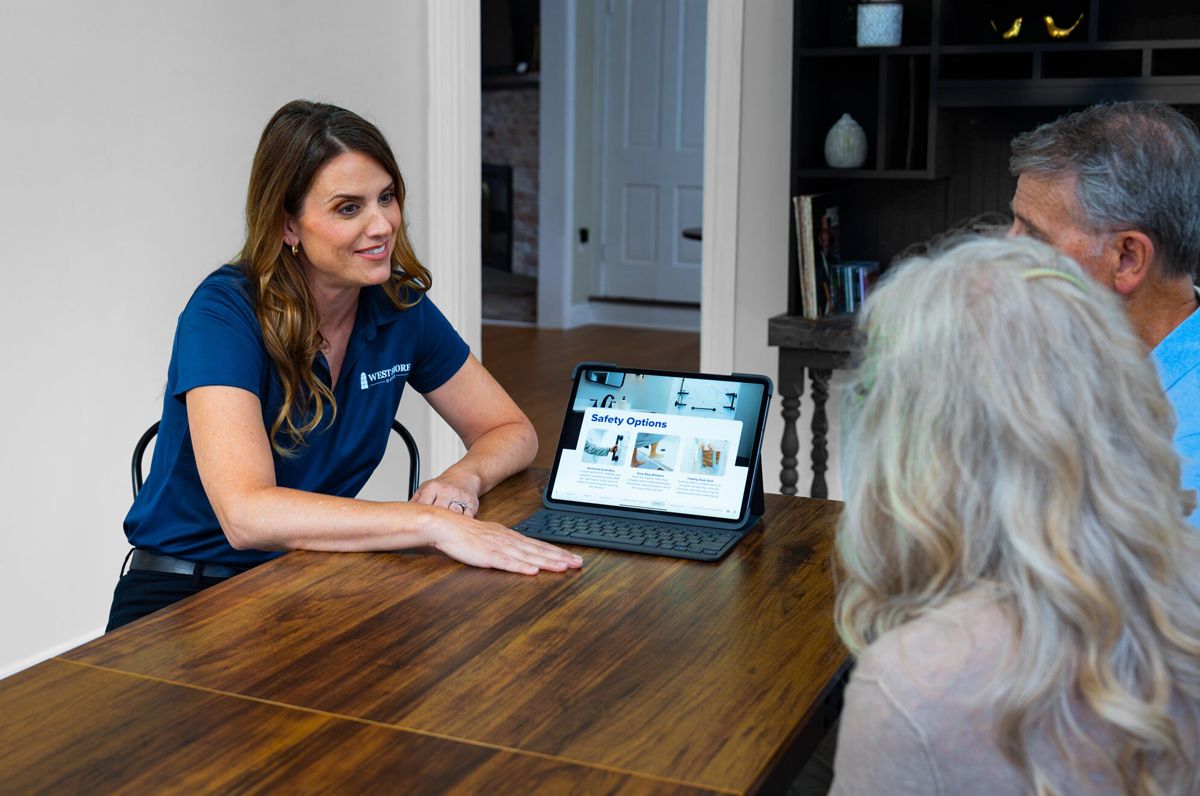
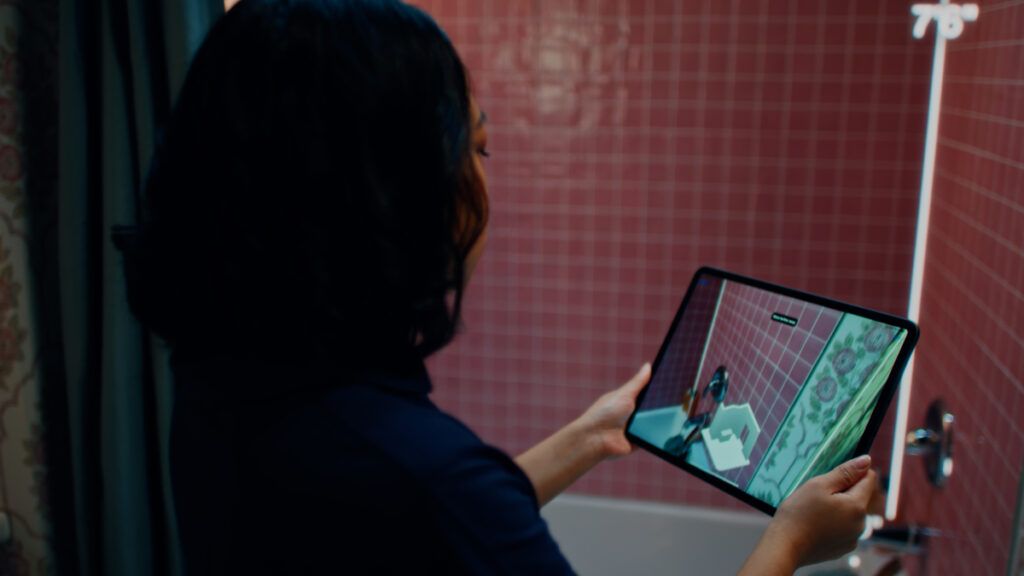
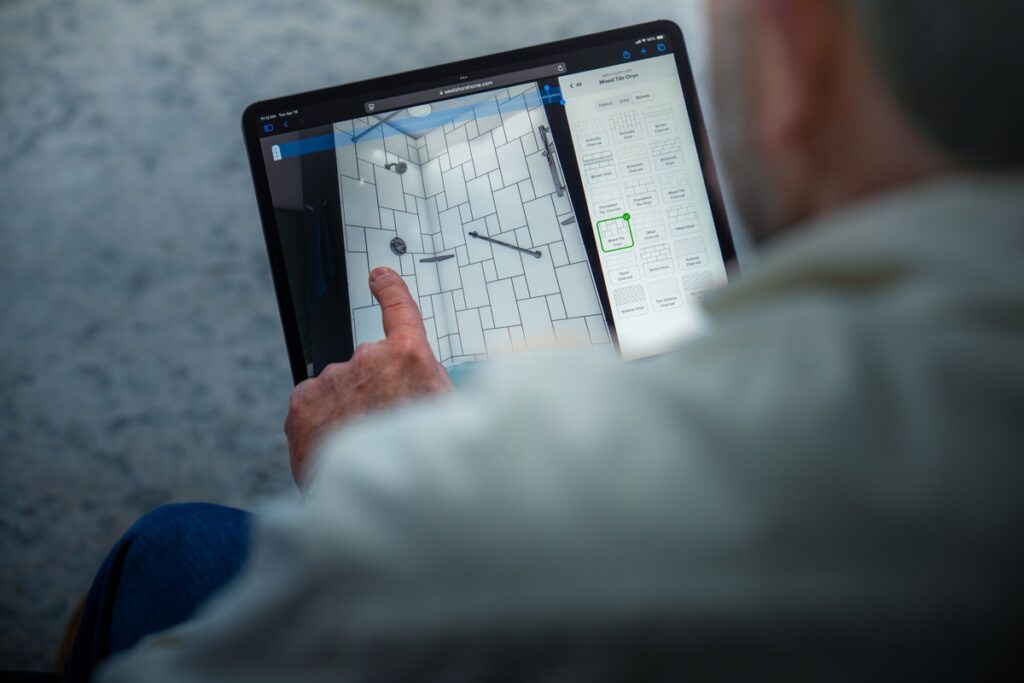
Cross-functional involvement during discovery and development changes that outcome. Product managers working directly with field and operations partners can capture needs that a requirements document never will. Smart solutions, like purpose-built quoting tools that let consultants capture LIDAR measurements, configure pricing, and schedule installation during the same home visit, with real-time visibility into material and installer availability, emerge from that kind of collaboration.
The same principle applies beyond software. Any process that touches multiple departments benefits from structured input across those departments. Defining clear ownership at every handoff, documenting how decisions get made, and making sure every team understands upstream and downstream needs are foundational steps that make technology investments pay off.
Culture Has to Come First
None of this works inside a company where people don’t feel empowered to challenge existing processes. The home improvement and construction industries are full of family-owned businesses where the founder’s original way of doing things carries enormous weight.
The company may add people over the years, but often the operating assumptions stay frozen in place.
Building a culture where employees feel empowered to say, “I think there’s a better way” sounds simple. Actually doing it requires real leadership commitment, especially in an industry where tenure and hierarchy often determine whose ideas get heard.
Practical ways to build that culture exist, but they must be intentional. Create opportunities for employees to challenge existing processes and contribute ideas across departmental boundaries. In a technology organization, that might include hackathons focused on solving real business problems.
In an operational environment, it could look more Kaizen or Rapid Improvement Events that bring cross-functional teams together to identify inefficiencies and implement changes.
Even holding a cross-departmental “Shark Tank”-style event where teams pitch new ideas to leadership can encourage creativity and reinforce the notion that better ways of working are not only accepted but expected.
You’re not trying to blow up what’s working. Yet, incremental change, applied consistently across departments, builds the kind of organizational muscle that lets companies scale without the fractures that typically come with rapid growth.
 How the Pieces Fit Together
Operational efficiency is a phrase that gets used so often in this industry that it’s almost lost its meaning. It conjures images of dashboards and software demos.
The version that moves a business forward looks more like having design consultants and installers who understand each other’s day-to-day. It looks like a project review team working from the same digital artifacts that the sales team captured in the home. It looks like a new hire absorbing consistent standards because they exist in shared systems, documented processes, and a culture that reinforces them.
That kind of operational maturity builds over years of intentional, cross-functional work. The pace can feel frustrating, especially in an industry conditioned to measure progress by completed jobs and revenue. But the compound effect is real. Each connection between departments removes friction that was costing the business money, time, and customer trust.
The home improvement industry is entering a period where that friction will become impossible to ignore. How a company responds will depend almost entirely on the organizational groundwork it laid out before the pressure arrived.
Chrystine Twigg is VP of Digital Product at West Shore Home, one of the nation’s largest home remodeling companies. She leads software development teams that are modernizing the remodeling experience for homeowners nationwide. With more than 20 years of product and engineering leadership, she has built and scaled platform organizations at companies, including Best Buy and Zendesk. At West Shore Home, she focuses on harnessing technology and AI to transform how remodeling projects are designed, sold, and supported—making the process more efficient, transparent and customer-friendly.




