






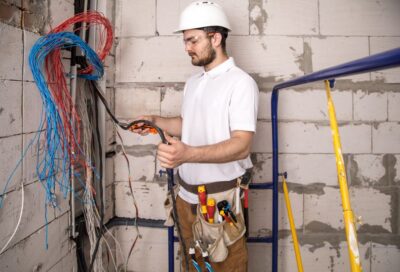
Every homeowner faces electrical decisions. Should you tackle a simple outlet swap yourself? Or is it time to call a professional? Making the wrong choice can lead to serious safety risks and costly repairs.
Finding the right Electrcian Fort Collins starts with understanding when electrical work legally requires a licensed professional.
This guide breaks down what you can and cannot do yourself, along with the risks and costs involved.
Understanding Electrical Licensing Requirements
Most states require electricians to carry proper licenses before performing electrical work.
According to data from the electrical industry, there were more than 700,000 electricians employed across the United States as of May 2023. These professionals go through years of training to safely handle the power flowing through your home.
Licensed electricians typically fall into three categories:
Apprentice Electricians work under supervision while learning the trade. They complete paid on-the-job training and classroom instruction over four to five years.
Journeyman Electricians can work independently after passing their licensing exam. They have completed their apprenticeship and can handle most electrical installations and repairs.
Master Electricians represent the highest level. They can design electrical systems, supervise other electricians, and run their own contracting businesses.
Each state sets its own requirements. Some states like Illinois, Indiana, and Kansas have no state-level requirements, but local cities and counties still enforce licensing rules.
When You Legally Need a Licensed Electrician
The law is clear on most major electrical work. You need a licensed electrician for:
Service Panel Work – Any work involving your main electrical panel, circuit breakers, or upgrading your service capacity requires a licensed professional. These systems control all the power in your home.
New Circuit Installation – Adding new circuits to handle additional appliances or room additions must be done by a licensed electrician.
Whole-House Rewiring – Homes over 20 years old may need updated wiring to handle modern electrical demands. This complex work requires professional expertise.
Major Appliance Installation – Installing built-in appliances like electric stoves, wall ovens, or HVAC systems needs proper wiring by a licensed electrician.
Permanent Fixture Installation – Ceiling fans, recessed lighting, and hardwired fixtures often require permits and professional installation.
Any Work Requiring Permits – If your local building department requires a permit, you need a licensed electrician to do the work and pass inspection.
Safety Risks of DIY Electrical Work
The numbers tell a serious story. Home electrical fires account for an estimated 51,000 fires each year, resulting in nearly 500 deaths, more than 1,400 injuries, and $1.3 billion in property damage. Electrical distribution systems rank as the third leading cause of home structure fires.
Here are the main dangers:
Fire Hazards – Wrong wire sizes, overloaded circuits, and poor connections create heat that can ignite fires. Electrical fires caused an estimated 295 deaths and 900 injuries in residential buildings in 2021 alone.
Electrocution Risk – Approximately 400 people die from electrocution in the United States each year. Nearly 14 percent of these deaths involve wiring hazards, including damaged or exposed household wiring.
Code Violations – Work that does not meet the National Electrical Code creates long-term safety problems. These violations can make your home fail inspections when you try to sell.
Insurance Issues – Many homeowners insurance policies will not cover damage from DIY electrical work. This leaves you paying out of pocket for fire damage or injuries.
Hidden Dangers – Electrical problems may not show up right away. Faulty wiring can remain hidden in walls for years before causing a fire.
Simple Tasks You Can Do Yourself
Some basic electrical tasks are safe for homeowners with the right knowledge:
Changing Light Bulbs – This simple task poses little risk when done correctly.
Replacing Outlet Covers – Swapping plastic outlet and switch covers requires no electrical knowledge.
Resetting Circuit Breakers – You can safely reset tripped breakers in your electrical panel.
Installing Battery-Powered Devices – Smoke detectors and other battery-operated items do not involve electrical wiring.
Changing Basic Light Fixtures – Some homeowners can swap simple fixtures if they follow instructions carefully, turn off power at the breaker, and feel confident in their abilities.
Even these simple tasks require caution. Always turn off power at the circuit breaker before touching any electrical components.
Complex Tasks That Need a Professional
Certain jobs should never be DIY projects:
Anything Behind Walls – Running new wiring through walls requires expertise to avoid damaging existing utilities and ensure proper installation.
Outdoor Electrical Work – Outdoor outlets and lighting need special weatherproof components and proper grounding.
Upgrading Electrical Panels – Replacing or upgrading your main service panel handles high voltage and requires special training.
Pool and Hot Tub Wiring – Water and electricity create extreme danger. These installations need GFCI protection and professional installation.
Smart Home Systems – While some smart devices plug into outlets, hardwired home automation systems need professional installation.
Kitchen and Bathroom Outlets – These wet areas require GFCI outlets installed correctly to prevent shocks.
Questions to Ask Before Doing Electrical Work Yourself
Ask yourself these important questions:
Do I have the right knowledge? – Electrical work requires understanding voltage, circuits, wire gauges, and safety procedures.
Do I have proper tools? – You need voltage testers, wire strippers, and other specialized tools.
Is this work permitted in my area? – Many localities require permits even for simple electrical work.
Am I comfortable working with electricity? – Honest assessment of your comfort level can prevent dangerous situations.
What could go wrong? – Consider worst-case outcomes, not just successful completion.
Will this affect my home’s value? – Unpermitted or poorly done work can create problems when selling.
How to Find a Qualified Electrician
Follow these steps to hire the right professional:
- Verify Licensing – Check that your electrician holds a current, valid license. Most states have online verification systems through their labor departments.
- Confirm Insurance – Licensed electricians carry liability insurance and workers compensation. Ask to see proof of coverage.
- Check Reviews and References – Read recent customer reviews and ask for at least two references you can contact.
- Get Multiple Quotes – Compare prices from several electricians. The lowest price is not always the best choice.
- Ask About Experience – Hire electricians experienced with residential work similar to your project.
- Request Written Estimates – Get detailed quotes that break down labor and materials costs.
- Understand Warranties – Professional electricians often warranty their work for one to five years.
When to Call an Electrician Immediately
Some electrical problems demand immediate professional attention:
- Burning Smells – A burning plastic or rubber smell often indicates overheating wires or components.
- Sparking Outlets – Sparks when plugging in devices signal dangerous problems.
- Buzzing Sounds – Electrical systems should run quietly. Buzzing indicates loose connections or failing components.
- Frequent Breaker Trips – If circuit breakers trip repeatedly, you have an overload or short circuit problem.
- Flickering Lights – Occasional flickering may indicate loose connections or overloaded circuits.
- Warm Outlets or Switches – Electrical components should never feel warm to the touch.
- Discolored Outlets – Brown or black marks around outlets show dangerous overheating.
The Bottom Line on Electrical Work
Your safety and your home’s protection should guide every electrical decision. While some simple tasks are safe for homeowners, most electrical work requires a licensed professional.
Employment of electricians is projected to grow 9 percent from 2024 to 2034, much faster than the average for all occupations. This growth reflects the ongoing demand for skilled electrical work as homes become more complex and electrical codes become stricter.
When you need electrical work done, invest in a qualified professional. The peace of mind and safety protection are worth every dollar.






