






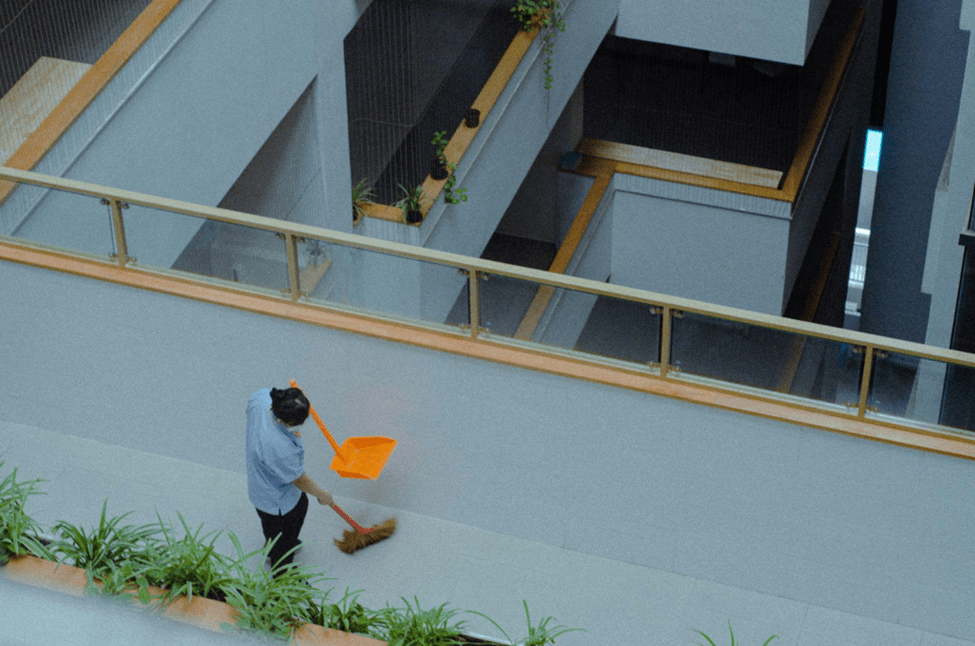
In commercial and mixed-use real estate, the details people notice first are rarely the systems doing the hardest work. A property may be judged by its lobby, finishes, floor condition, and overall atmosphere, but long-term performance usually depends on how seriously operators treat routine maintenance, cleaning equipment, and the spaces that connect public image to daily function. That is especially true in high-traffic buildings, where a small drop in maintenance standards quickly becomes visible and starts shaping how the entire property is perceived.
For owners, managers, and facility teams, maintenance is not just a practical necessity. It is part of how a building protects value, supports daily operations, and meets the expectations created by its location, design, and positioning in the market. The most successful properties are often the ones where these systems work so smoothly that residents, visitors, and tenants barely notice them at all.
Appearance Is Usually a Maintenance Story First
A polished building does not stay polished because it opened with good design. It stays competitive because someone has created repeatable systems for floor care, surface upkeep, equipment checks, and rapid response when small issues start affecting presentation.
In retail corridors, condo common areas, hospitality spaces, and office buildings, visible quality is usually the result of invisible discipline. That discipline becomes more valuable as foot traffic increases and wear starts accumulating faster than most visitors realize.
Premium Buildings Raise Expectations Beyond the Sales Brochure
High-profile properties tend to create a higher baseline for what occupants expect from management, especially when amenities, shared spaces, and circulation areas are central to the experience. In projects such as insignia seattle, the appeal is tied not only to views, finishes, and amenities, but also to how well the building continues to feel ordered, polished, and efficient after move-in.
That matters because premium positioning can erode quickly when common areas begin showing the strain of heavy use. In practice, this makes maintenance execution part of the property’s identity rather than a background expense that can be ignored until something breaks.
Floor Care Equipment Is Part of the Occupant Experience
Cleaning equipment is often treated as a back-of-house concern, yet it has a direct effect on the spaces people judge most harshly. Hallways, lobbies, service corridors, and retail floors all depend on machines that work consistently under pressure, especially when schedules are tight and interruptions are costly.
For teams responsible for repairing a floor sweeper, the issue is rarely just one machine going down. It is the risk of delayed cleaning cycles, inconsistent floor presentation, and operational stress spreading across the rest of the property before the visible problem is even fully understood.
Small Mechanical Problems Become Large Operational Problems
One reason maintenance leaders focus so heavily on routine checks is that equipment failure rarely arrives as a dramatic, isolated event. It usually begins with weak suction, worn brushes, battery decline, belt wear, or debris buildup that slowly reduces performance over time.
The practical consequence is that a machine may still be technically running while already costing extra labor time and producing lower cleaning quality. That means the real operational loss often begins well before the equipment is officially taken out of service.
Preventive Maintenance Protects More Than Equipment Lifespan
Image Source: Photo by mkjr_ on Unsplash
The strongest maintenance programs do not treat preventive care as a narrow mechanical routine. They use it to protect scheduling reliability, staffing efficiency, and the consistency of the building standard itself.
When teams inspect filters, brushes, belts, batteries, and debris systems on a predictable schedule, they reduce the chance that one avoidable issue will disrupt an entire cleaning sequence. That matters because consistency is what occupants actually experience day to day, even if they never see the maintenance process directly.
Compliance and Cleanliness Intersect More Than Many Teams Admit
This is also where maintenance stops being only an aesthetic concern and becomes a risk management issue. OSHA states that places of employment, passageways, storerooms, service rooms, and walking-working surfaces must be kept in a clean, orderly, and sanitary condition, which makes floor care part of a broader operational obligation.
In other words, cleaning standards influence more than appearance. They also affect safety exposure, liability, and whether building operations are meeting a basic expectation for responsible workplace management.
High-Traffic Properties Need Faster Feedback Loops
The larger and busier the property, the less room there is for delayed reporting and guesswork. In a low-traffic environment, a weak machine or missed cleaning pass may go unnoticed for a while, but in dense urban properties the evidence appears much faster.
That usually shows up through tracked-in debris, dull surfaces, and a general sense that the space is slipping. Better-performing operations respond by building short feedback loops between frontline staff, supervisors, and vendors so small issues are corrected before they become a visible pattern.
The Best-Run Buildings Treat Maintenance as Brand Protection
There is a tendency to separate brand, leasing value, and maintenance performance into different conversations, even though occupants experience them as one thing. People do not divide a property into marketing, operations, and equipment categories when they walk through it.
They simply decide whether it feels well managed. Buildings that protect that impression over time are usually the ones that view floor equipment, repair response, and preventive upkeep as part of asset strategy rather than as minor operational details.
Operational Discipline Is What Makes Quality Look Effortless
What makes a building feel premium after the ribbon-cutting is not the absence of wear, but the presence of systems that keep wear from becoming the story. The operators who understand this best are rarely chasing dramatic fixes; they are protecting appearance, safety, and consistency through steady maintenance habits.
That is what allows a design promise to keep holding up long after opening day. In that sense, the most impressive buildings are not just the best designed ones, but the ones where everyday operational discipline quietly ensures the design continues to perform the way people were promised it would.
Feature Image Source: Photo by Khang Nguyen on Unsplash






