










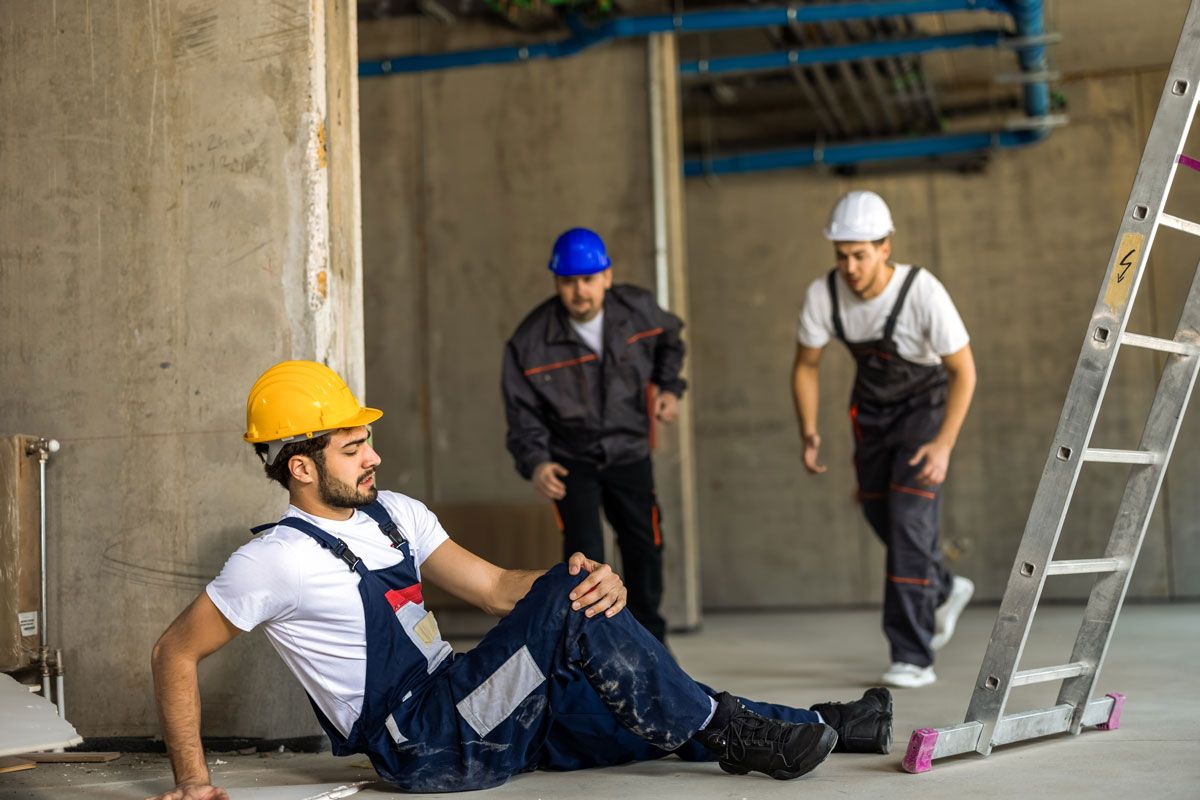
Construction has never been a business with much room for error. Crews are moving faster, skilled labor remains tight and every lost day can ripple across schedules, productivity and the bottom line.
But the numbers behind jobsite injuries show just how high the stakes have become. Travelers’ latest Injury Impact Report found construction workers miss an average of 114 days per injury while claims cost nearly twice the average across industries.
We sat down with Claude Howard, VP of Workers Compensation Claim, and Ken Wengert, VP, Risk Control – Construction, Energy & Marine, to discuss what the data reveals, why new hires remain particularly vulnerable and how contractors can strengthen prevention, onboarding and return-to-work strategies.
What’s the Travelers Injury Impact Report, and why does the company conduct this analysis?
Howard: This is our fifth consecutive year issuing the Travelers Injury Impact Report—and the sixth time overall. For this year’s report, we analyzed more than 1.2 million workers compensation claims received by Travelers from 2021 to 2025, across industries and business sizes.
We know past losses can tell us a lot about future risk, and we want employers to have that information so they can act on it.
 What does this year’s report show about workplace injuries in construction specifically?
Howard: A few things really stand out. Construction workers miss more days per injury than any other industry in our data—114 days on average, compared with an 80-day overall average. That gap reflects the gravity of these construction site injuries: spinal cord damage, amputations, traumatic brain injuries and multiple fractures—injuries that are not resolved quickly.
As you might expect, we also found that workers compensation claims in construction are the most expensive—almost double the all-industries average.
Some of the most common causes of large losses (which we categorize as those with a cost of $250,000 or more) include slips, trips and falls; being struck by an object; overexertion; motor vehicle accidents; and caught-in or caught-between hazards.
The report identifies first-year employees as a disproportionately affected group. What does the data show in construction?
Howard: The numbers are significant. First-year employees accounted for 44% of all construction injuries and 47% of workers compensation costs over the past five years—well above the all-industry averages of 37% of injuries and 34% of costs.
When you think about why new employees are more likely to be injured, it comes down to the nature of jobsite work. Safety habits are still forming. Workers are encountering equipment and site-specific hazards they may never have dealt with before. That combination creates heightened exposure to the risk of injury in those early months on the job.
Given that new hires are affected disproportionately, what can contractors do differently in onboarding to help address this?
Wengert: Moving away from a one-size-fits-all orientation and toward tailoring the onboarding experience to workers’ roles can have a significant positive impact. That means identifying workers’ most common tasks and making sure they receive targeted training on their exposure to those risks before they encounter them in the field.
For example, this could mean providing fall-protection instruction before workers enter an elevated environment or requiring hands-on equipment training before a worker operates machinery on their own.
Beyond formal training, pairing new hires with experienced workers in those first 90 days goes a long way toward reducing risks. And creating a culture where people feel comfortable raising a concern or asking questions matters more than it might seem.
Workers who know it’s okay to speak up tend to catch and report hazards before they become accidents.
Falls are consistently a major hazard in construction. What does the report show about their impact?
Howard: Slips, trips and falls are the leading cause of injury in construction, accounting for 47% of claims, and they’re also one of the top drivers of large losses. Across all industries, fall-related claims cost about 19% more than the average claim. One thing that stands out to us in the data this year is the impact on older workers.
For employees 60 and older, slips, trips and falls account for roughly 39% of claims, which is about 15 percentage points higher than for other age groups. That’s a trend we’ve been watching for some time now as the workforce continues to age.
How do falls from height fit into that picture?
Wengert: Falls from height carry a distinctly different severity profile from ground-level slips, trips and falls. They are among the leading causes of construction’s most catastrophic injuries. The injured workers in these cases can face some of the longest recovery timelines and the most complex care needs.
The first question for contractors to ask is whether elevated work can be reduced or eliminated altogether. For instance, can a task be redesigned or completed from the ground before it becomes a height exposure?
Where working at elevation is unavoidable, fall protection protocols are critical; guardrails, personal fall arrest systems and controlled access zones need to be consistently in place for every worker involved, regardless of their level of experience.
With 114 average lost workdays, post-injury management seems especially critical for construction. Why does planning before an injury occurs matter so much?
Wengert: When an injury happens, you don’t want to be figuring out the process at the same time you’re trying to support the employee. Improvising that process after the fact can lead to longer absences.
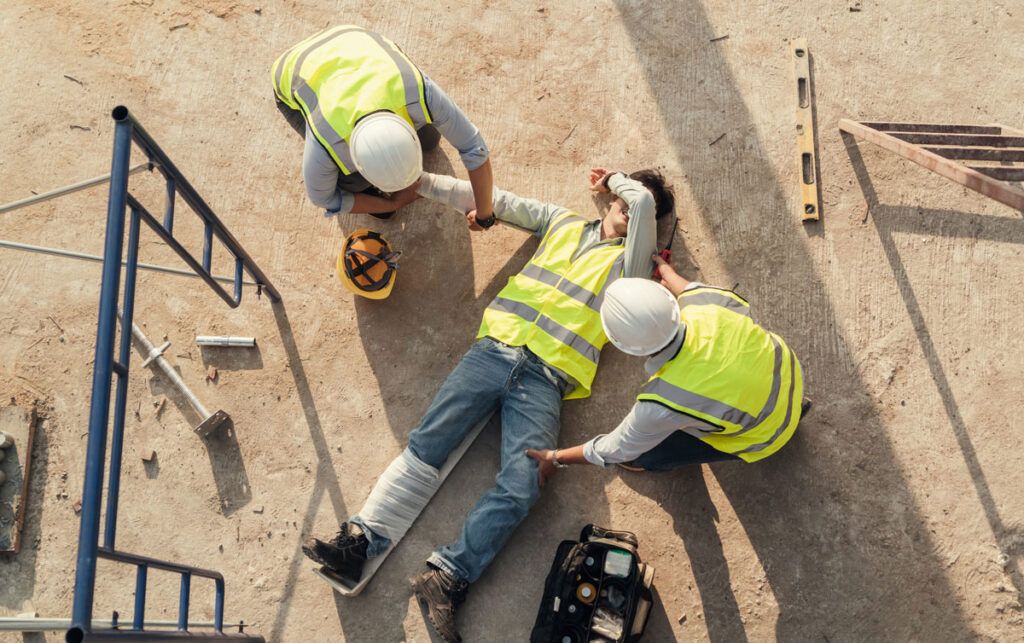
A return-to-work plan that’s already in place can help you focus on getting the worker connected to appropriate care, keeping lines of communication open, and identifying transitional-duty options rather than defaulting to full time off.
 What role does transitional-duty or light-duty work play in shortening that recovery window?
Wengert: Transitional-duty or light-duty work keeps people connected, which matters more than it might seem. In our experience, injured workers who stay engaged with the workplace—even in a modified capacity—tend to have better recovery outcomes than those who are completely removed from their work environment.
Prolonged time away from the workplace can introduce challenges that go beyond the physical injury itself.
Howard: That’s a real issue. We’ve found that about 40% of injured employees have at least one behavioral health risk factor—things like catastrophic thinking or limited coping strategies—that can significantly slow their return to work. Assigning a worker transitional duty addresses some of that and helps them maintain a sense of routine and connection.
Pairing these duties with early behavioral health support, rather than waiting for them to reach a physical milestone before bringing them back into the workforce, tends to produce meaningfully better outcomes.
Anything else to add?
Wengert: I’d just say that the data in this report is meant to be actionable. The injury patterns we see year after year—the concentration among new hires, the severity of fall and caught-in or caught-between incidents, the long recovery timelines—aren’t inevitable. They’re driven by conditions and decisions that contractors can influence.
Howard: And the post-injury side is just as important as prevention. Having a return-to-work plan, building in transitional-duty options, thinking about the behavioral health dimension of recovery—these aren’t just the right things to do for your employees. They translate directly into shorter absences, lower costs and less disruption to your business.
Our hope is that employers come away from reviewing this report with specific standards and processes they can put in place—and that they don’t wait for an injury to prompt them to act.




