






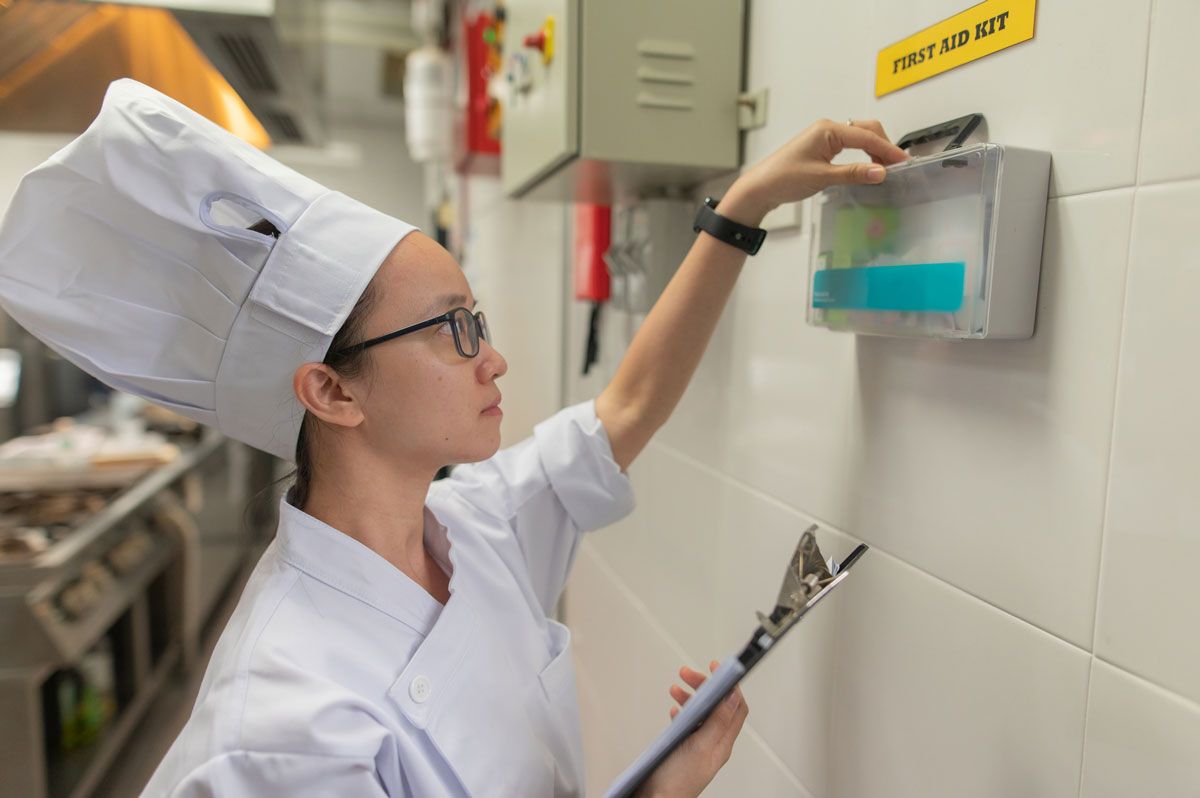
Restaurants are powered by people, from line cooks and servers to dishwashers and delivery staff. Foodies are routinely served by a person performing a physical role in a fast-paced environment, which comes with certain risks.
Kitchens are rife with hot surfaces, sharp tools and wet floors. Dining rooms are bustling with customers, which challenges workers to navigate crowded areas while carrying heavy trays. Long shifts, repetitive motions and frequent lifting are further increasing the potential for worker injuries and business interruption.
Those realities make workplace injuries and disruptions more common in restaurants than in many other industries, placing workers’ compensation insurance at the center of restaurant risk management.
While often viewed as a legal requirement, workers’ compensation serves a vital role for restaurants, by providing protection for employees, offering a way to manage unexpected disruptions, and offering a level of stability when injuries occur.
Some common workers’ compensation claims in the restaurant industry include:
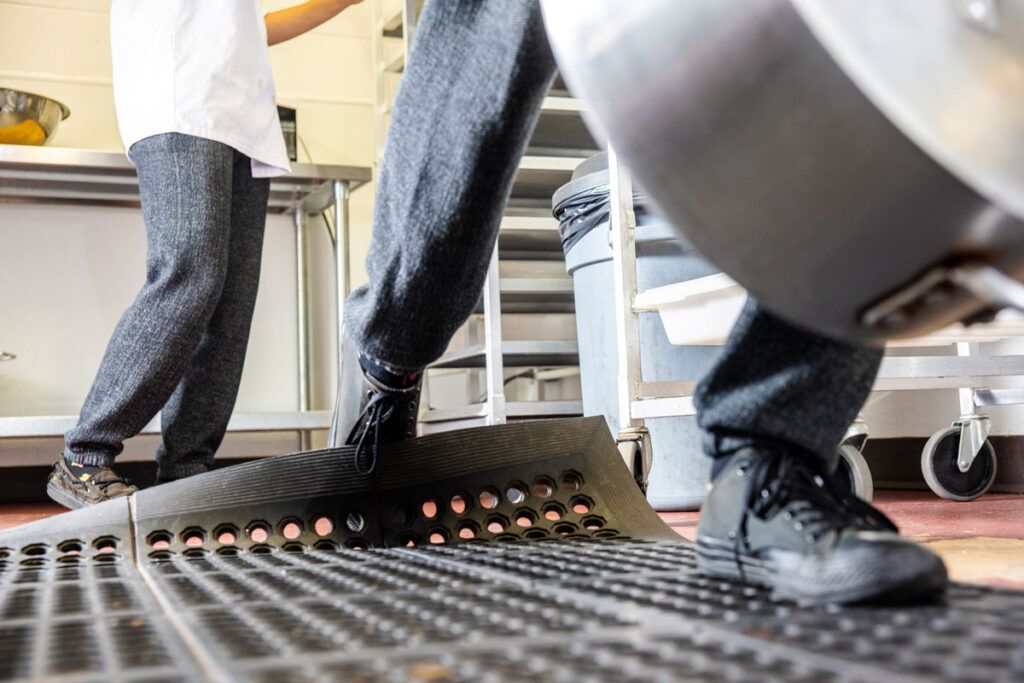
- Slips and falls on wet or greasy surfaces
- Burns from grills, fryers or hot liquids
- Cuts from knives and food prep equipment
- Back and shoulder injuries from lifting supplies
- Repetitive strain injuries from food preparation or dishwashing
With many restaurants experiencing high turnover and regularly onboarding new employees, maintaining consistent safety awareness can be an ongoing challenge.
 Why Workplace Safety Is Good for Business
For many restaurant owners, workplace safety is viewed primarily through a compliance lens. However, a strong safety culture can deliver meaningful business benefits beyond reducing injuries.
Preventing injuries can help restaurant owners avoid indirect costs that often accompany workplace incidents. For example, an employee injury may result in disruptions, overtime expenses, temporary staffing needs, training costs for replacement workers and decreased productivity while teams adjust to staff shortages.
By focusing on prevention, restaurant owners can create a safer work environment while helping protect customer service standards and business continuity.
Protecting the People Behind the Business
Workers’ compensation insurance plays a vital role in helping restaurants protect the employees who keep their operations running. By understanding workplace risks and taking steps to manage them, restaurant owners can support their teams while building resilience in their business.
In a restaurant, workers’ compensation may help cover:
- Medical care related to workplace injuries
- Partial wage replacement during recovery
- Rehabilitation or physical-therapy services
- Legal defense costs that arise from employee injury lawsuits
For example, if a server slips while carrying a tray, or a cook burns their hand during food preparation, workers’ compensation can help ensure medical needs are addressed, while supporting the business through the disruption.
Workers’ compensation is often misunderstood in restaurants, particularly where part-time or seasonal employees are common. Coverage generally applies regardless of hours worked, and even minor injuries may be covered if they occur on the job.
Practical Steps Restaurants Can Take To Reduce Risk
While insurance provides essential protection, prevention remains a critical component of managing workplace injuries. Restaurants can take proactive steps, such as:
- Providing consistent safety training during onboarding
- Addressing spills and hazards promptly
- Encouraging slip-resistant footwear
- Clearly marking hot surfaces and high-risk areas
- Promoting prompt injury reporting
- Offering light-duty options for employees returning from an injury-related leave
These measures can help reduce the frequency and severity of injuries, while reinforcing a people-first approach to operations.
 Build a Culture of Safety Every Day
Safety programs are most effective when they become part of daily operations rather than a one-time training exercise. Restaurant managers can reinforce safe practices through regular shift meetings, quick safety reminders and ongoing coaching.
Simple discussions about topics such as proper lifting techniques, safe knife handling, ladder use, spill response procedures or heat-related precautions can help keep safety top of mind for employees.
Restaurant owners should also encourage workers to report hazards and near-miss incidents. Identifying and addressing potential risks before an injury occurs can help strengthen workplace safety and prevent future claims.
The Importance of Return-to-Work Planning
Another often-overlooked aspect of workers’ compensation is helping injured employees return to work safely when medically appropriate.
Many restaurants can accommodate temporary light-duty assignments that align with medical restrictions. Examples may include greeting guests, assisting with inventory, administrative support or other modified responsibilities.
Return-to-work programs can help employees remain connected to their workplace during recovery while allowing restaurants to retain experienced team members and reduce the operational impact of extended absences.
In an industry built on serving people, protecting employees should remain a central part of every restaurant’s business strategy. Workers’ compensation insurance plays an important role when injuries occur, but the most effective approach combines coverage with ongoing training, hazard awareness and a commitment to workplace safety.
By investing in their people and fostering a culture of prevention, restaurant owners can help create safer workplaces, stronger teams and more resilient businesses.
Bryan Smith is Chief Product Officer for Small Business at The Hartford.




