









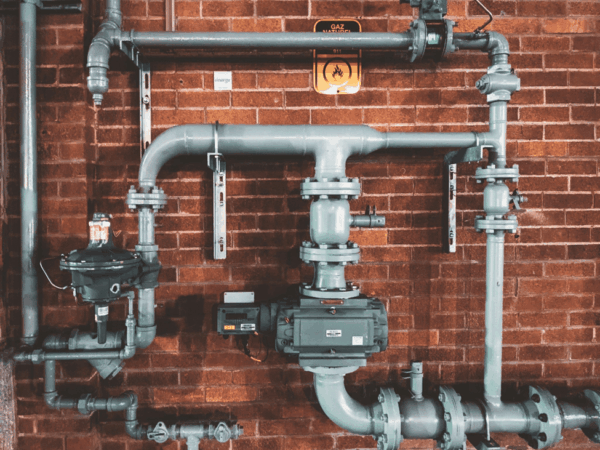
When people think about property value and performance, they often focus on visible elements, design, layout, or finishes. Yet the true functionality of a property depends heavily on systems that remain mostly out of sight. HVAC and plumbing are two of the most critical of these systems, shaping everything from comfort and efficiency to long-term structural integrity.
Modern buildings are increasingly defined by how well these systems perform over time. When they are properly designed, maintained, and integrated, they create environments that are stable, efficient, and resilient. When neglected, they can quietly undermine both performance and value without immediate warning.
HVAC Systems as the Engine of Indoor Performance
HVAC systems play a central role in regulating temperature, humidity, and air quality within a property. These factors directly influence comfort, health, and usability, making HVAC one of the most important components of building performance.
Beyond comfort, HVAC systems are also one of the largest contributors to energy consumption in a building. When properly maintained, they operate efficiently and reduce overall costs. Poorly maintained systems, however, can quickly lose efficiency, increasing energy use and reducing reliability over time.
The Hidden Impact of Plumbing on Property Value
Plumbing systems are often overlooked until something goes wrong, yet they are fundamental to daily functionality. Water supply, drainage, and sanitation all depend on properly designed and maintained infrastructure. The condition of these systems directly affects both usability and long-term property value.
Properties supported by reliable systems like Bumble Breeze in Las Vegas benefit from stronger operational stability, as consistent plumbing performance helps prevent hidden damage and supports overall efficiency. This kind of system reliability plays a key role in maintaining both function and value over time.
Integration Between HVAC and Plumbing Systems
Image Source: Photo by Immo Wegmann
Although often treated as separate systems, HVAC and plumbing are closely interconnected. Many heating and cooling systems rely on water flow, drainage, and pressure systems managed through plumbing infrastructure.
When these systems are properly integrated, they support each other’s efficiency. For example, condensation produced by HVAC systems must be properly drained through plumbing systems. If this connection is poorly managed, it can lead to leaks, system inefficiencies, or even structural damage.
Energy Efficiency and Operational Costs
One of the most significant ways HVAC and plumbing systems influence property performance is through energy efficiency. Together, these systems account for a large portion of a building’s operational costs. Efficient systems reduce energy consumption, lower utility bills, and contribute to more sustainable property management.
Modern building standards increasingly focus on optimizing these systems to improve efficiency. Heating, cooling, and water systems are now key contributors to reducing emissions and supporting environmentally responsible construction.
Preventing Long-Term Structural and System Damage
Small issues within HVAC and plumbing systems can lead to significant long-term damage if left unresolved. Leaks, pressure imbalances, or airflow problems often develop gradually, affecting surrounding structures over time. Preventative maintenance helps identify these issues early, reducing the risk of major repairs.
Regular inspections also extend the lifespan of equipment and prevent costly failures. Systems that are maintained proactively tend to operate more reliably, reducing downtime and ensuring consistent performance across the property.
Why These Systems Define Long-Term Property Success
Ultimately, HVAC and plumbing systems shape how a property performs every day. They influence comfort, energy use, maintenance costs, and long-term value in ways that are often underestimated. While they may not be visible, their impact is constant.
Properties that prioritize these systems tend to remain more efficient, more reliable, and more valuable over time. By focusing on performance behind the walls, owners create environments that are not only functional today but built to sustain long-term success.
Feature Image Source: Photo by Compagnons on Unsplash






