









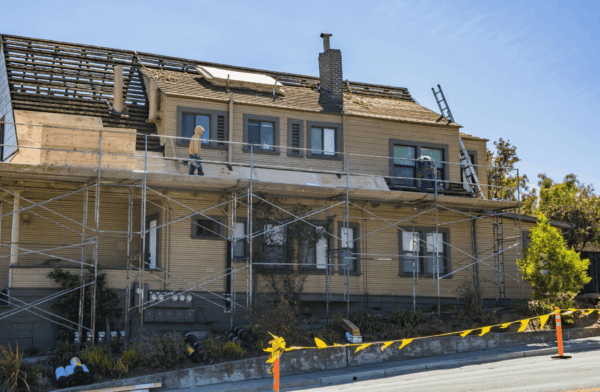
Building repairs have a funny way of starting with one obvious problem and ending with three sneaky ones hiding behind it. A small crack becomes a moisture issue. A loose tile hints at a larger installation mistake. A water stain on the ceiling kicks off a whole conversation about insulation, flashing, or aging plumbing nobody knew was a problem.
That doesn’t mean every repair project will spiral. It just means building owners, property managers, and homeowners need a plan that leaves real room for the unexpected.
Surprise costs aren’t always the result of bad planning. Sometimes they’re just the natural consequence of working with older materials, hidden systems, weather exposure, and decades of normal wear and tear. The goal isn’t to predict every single thing that could go wrong. The goal is to be prepared enough that surprises don’t blow up the whole project.
Planning with flexibility protects the budget, the timeline, and, honestly, everyone’s sanity.
Start With an Honest Inspection
The first move in planning for repair costs is getting a really clear picture of what the building is actually dealing with. A quick walkthrough can help, but it’s almost never enough for serious repairs. Buildings tend to hide their biggest secrets behind walls, under floors, above ceilings, or inside exterior systems where nobody can see them.
A thorough inspection should look for the obvious and the easy to miss. Cracks, stains, soft spots, loose materials, weird smells, drainage issues, uneven surfaces, all of it tells a story. Even small clues often point to something bigger happening under the surface.
Bringing in a qualified professional early is one of the smartest moves anyone can make. Contractors, structural engineers, inspectors, or building envelope specialists can spot things that an untrained eye misses entirely. They won’t always see everything before work starts, but they can point out where surprises are most likely to show up. That kind of insight gives the budget a much stronger foundation from day one.
Build a Contingency Fund Before Anything Starts
A contingency fund is one of the simplest and most powerful tools for handling unexpected repair costs. It’s basically money set aside specifically for whatever pops up once work begins.
For minor repairs, 10 percent of the project budget is usually enough. For older buildings, complex repairs, or anything involving moisture, structure, or exterior systems, bumping that up to 15 or even 25 percent is way more realistic. The right number depends on the building’s condition and how much is still unknown going in.
This matters even more when repairs involve layered materials or hidden damage behind exterior surfaces. For example, when exterior walls show signs of damage, getting a clear picture of the potential stucco remediation cost early in the planning process can prevent serious budget shock once work begins. Stucco issues often come with surprises like hidden water intrusion or compromised sheathing, so the earlier those costs are factored in, the better the project goes.
The contingency fund shouldn’t be treated as extra spending money once the project is rolling. It should stay protected until it’s genuinely needed. If the project wraps without touching it, that’s a win. If hidden problems arise, having that money ready means options rather than panic.
Separate the Needs From the Wants
Repair projects have a way of growing once they start. A contractor opens up a wall, the space is already torn up, and suddenly it feels like the perfect time to upgrade finishes, swap out fixtures, or tackle a few other things while everything’s a mess.
Sometimes that’s a smart move. But when the budget is already feeling tight, separating real repair needs from optional upgrades becomes really important.
Needs are the things that affect safety, function, durability, or code compliance. Water damage. Structural issues. Failing systems. Damaged flashing. Electrical hazards. Materials that have stopped doing their job.
Wants are improvements that make things look nicer, feel better, or function more conveniently, but they aren’t necessary to complete the repair. New flooring. Upgraded trim. Decorative finishes. Cosmetic updates. These can be amazing additions, but they shouldn’t take resources away from the essential work unless the budget genuinely allows for both.
Making that distinction up front keeps everyone focused when fast decisions are needed mid-project.
Ask for Real, Detailed Estimates
A vague estimate can make a project feel affordable on paper and then turn into a mess later. A detailed estimate gives a much clearer view of what’s included, what isn’t, and where extra costs are likely to come in.
A solid estimate breaks down labor, materials, permits, disposal, equipment, inspections, and any subcontractor work. It should also spell out assumptions. For example, the price might be based only on visible conditions, with the understanding that hidden damage could change things.
That isn’t a contractor trying to dodge responsibility. It’s a contractor being upfront about the limits of what anyone can know before work begins.
Ask questions until everything makes sense. What could change the price? How are change orders handled? Who has to approve extra work? What happens if materials get delayed or new damage shows up? Clear answers up front save a lot of stress later.
Don’t Forget the Cost of Time
Surprise costs aren’t always about materials or labor. Sometimes they’re about time.
When repairs run longer than planned, the extras can include temporary housing, storage, security, equipment rentals, lost business income, and tenant disruption fees. For commercial buildings, delays can mess with operations. For homes, they can throw daily life into chaos.
Weather throws its own curveballs, especially on exterior projects. Rain, freezing temperatures, humidity, and extreme heat all slow things down or require temporary protective measures.
Planning for time-related costs means thinking beyond the invoice. How will the project affect the people who actually use the building? Will some rooms be unusable? Will noise and dust require relocation? Will tenants need plenty of notice? These questions help capture the real cost of the repair, not just the construction cost.
Keep Communication Open the Whole Way Through
Good communication can stop small problems from becoming expensive ones. Once work is underway, there should be a clear, agreed-upon process for updates, approvals, and documentation.
Know who the main point of contact is. Decide how often check-ins happen. Make sure any scope changes get put in writing before extra work starts. This protects both the property owner and the contractor.
Photos are also gold. When hidden damage shows up, photos explain why more work is needed. They also create a record for insurance claims, board approvals, future maintenance, and even resale documentation down the road.
The best repair projects aren’t necessarily the ones without surprises. They’re the ones where the surprises get handled calmly, clearly, and with enough info for everyone to make good decisions.
Check Insurance and Warranties First
Before paying for everything out of pocket, check what insurance policies, warranties, service agreements, or manufacturer coverages might apply. Some damage may be covered, depending on the cause, timing, and specific policy language.
Insurance is complicated, so documenting the conditions early matters a lot. Take photos. Save invoices. Keep inspection reports. Save email threads. If a claim might be possible, get in touch with the insurer before starting any non-emergency work whenever possible.
Warranties can come into play, too. Roofing, windows, siding, waterproofing systems, mechanical equipment, and certain materials may still have coverage that the building owner forgot about. Even partial coverage can take a real chunk off the final bill. Don’t assume coverage is there, but don’t assume it isn’t either. Always check.
Think Long Term, Not Just Right Now
When unexpected costs hit, the natural reaction is to look for the cheapest fix. That’s understandable. Repairs are expensive, and watching a budget grow in real time is painful.
But the cheapest immediate fix isn’t always the smartest long-term move. A quick patch might address the visible problem for a while, but if the underlying cause remains, the same issue tends to recur. Sometimes worse than before.
Long-term thinking means asking what caused the damage in the first place. Was it poor drainage? Failed flashing? Aged materials? A sloppy original install? Years of skipped maintenance? Moisture stuck where it should never have been?
Fixing the root cause, not just the symptom, is what prevents the same problem from showing up two years later with a bigger price tag.
Build a Repair Priority List
Not every issue has to be fixed all at once. When budgets are limited, a priority list helps make smarter, more practical decisions.
The top priorities should be anything affecting safety, active water intrusion, structural problems, electrical or mechanical failures, and code compliance. Next come repairs that prevent further damage from happening. Cosmetic improvements usually come last unless they’re directly tied to the repair work itself.
A priority list also creates a calm framework when surprises pop up. Instead of making heated decisions mid-project, every new issue can be measured against a clear set of priorities. That kind of structure is especially valuable for property managers, condo boards, and owners who need to explain their choices to others.
Keep Records for the Future
Every repair project teaches something about the building. Keep those lessons in one organized place.
Save estimates, contracts, permits, inspection reports, photos, warranties, invoices, and notes about which materials got used. These records pay off later for future maintenance, insurance claims, resale value, and planning the next round of work.
They also help future contractors understand what’s already been done, saving time and avoiding duplication of effort.
A building is never really “done.” It keeps changing with age, weather, use, and maintenance. Good records make caring for it much easier and more confident.
Final Thoughts
Unexpected repair costs can feel really frustrating, especially when the project felt totally planned out at the start. But surprises don’t have to mean chaos.
A thoughtful plan creates space to handle whatever comes up. Start with a strong inspection. Build a real contingency fund. Get detailed estimates. Prepare for time-related costs. Keep communication clear. Review coverage. And make decisions based on long-term value, not just short-term relief.
It’s impossible to control every hidden issue lurking inside a building. But it’s absolutely possible to control how ready you are when one of them shows up.






