









Commercial buildings are often judged by what tenants and visitors can see: modern interiors, updated facades, efficient layouts, and attractive amenities. Yet beneath those visible improvements, many properties continue operating with aging plumbing systems that were never designed to support today’s demands.
Across offices, retail centers, hospitality venues, healthcare facilities, and mixed-use developments, outdated plumbing infrastructure is becoming one of the most significant operational challenges facing property owners and facility managers. Pipes installed decades ago are now under increased pressure from higher occupancy levels, expanded water usage, changing building codes, and modern efficiency expectations.
Unlike cosmetic issues, plumbing deterioration tends to remain hidden until a major failure occurs. By the time visible leaks, pressure problems, or water damage emerge, repair costs and operational disruption can escalate quickly.
For commercial properties, these problems extend far beyond maintenance inconvenience. Water system failures can interrupt business operations, damage tenant relationships, increase insurance exposure, and create long-term infrastructure liabilities.
Why Older Plumbing Systems Struggle in Modern Buildings
Many commercial buildings operating today were constructed during periods when infrastructure demands looked very different from current expectations.
Older systems were not designed for:
- Smart water technologies
- Modern water efficiency requirements
- High-capacity fixtures
- Expanded occupancy loads
- Advanced HVAC integration
- Contemporary sustainability standards
- Increased operational hours
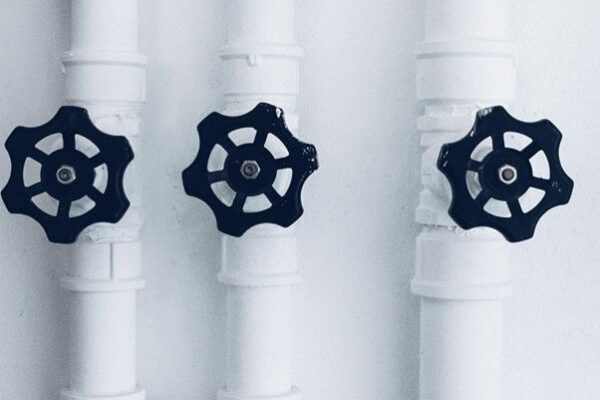
Over time, pipes, valves, fittings, and pressure systems naturally deteriorate through corrosion, mineral buildup, wear, and repeated stress cycles. In some cases, older materials themselves become part of the problem as regulations and safety standards evolve.
Commercial properties also face a unique challenge compared to residential buildings: plumbing failures often affect multiple occupants simultaneously. A leak inside a retail center, office building, or hospitality property can disrupt several businesses at once, amplifying both financial and operational consequences. This is why plumbing infrastructure is increasingly viewed as a core asset management issue rather than simply a repair-and-maintenance concern.
The Financial Impact of Deferred Plumbing Upgrades
One of the biggest risks associated with aging infrastructure is delayed modernization. Many commercial property owners understandably prioritize visible renovations because they directly influence tenant impressions and leasing potential. However, postponing plumbing system evaluations often creates larger expenses later.
Hidden plumbing issues can contribute to:
- Water damage remediation
- Mold growth
- Increased utility costs
- Reduced system efficiency
- Emergency repair expenses
- Business interruption losses
- Insurance complications
- Tenant dissatisfaction
In commercial environments, even temporary downtime can create serious operational problems. Restaurants, hotels, medical facilities, and office buildings all depend on stable plumbing performance to maintain normal operations. As a result, preventive infrastructure planning is becoming increasingly important within commercial property management strategies.
Modern Expectations Require Smarter Infrastructure
Commercial tenants today expect more reliable and efficient building systems than ever before. Sustainability goals, energy efficiency initiatives, and operational reliability now influence leasing decisions across many sectors. This shift is encouraging property owners to reassess infrastructure systems that were once considered secondary priorities.
Modern plumbing upgrades often focus on:
- Pressure balancing
- Leak detection systems
- Water efficiency
- Pipe replacement
- Smart monitoring technologies
- Preventative maintenance integration
- Long-term operational resilience
In regions experiencing rapid growth and expanding commercial development, infrastructure demands become even more complex. Service coordination, regional expertise, and long-term system planning all play increasingly important roles in maintaining reliable building performance.
In regions experiencing rapid commercial growth, infrastructure planning has become increasingly important for maintaining reliable building performance over time. Commercial properties now require plumbing support that extends beyond emergency repairs alone, with greater emphasis placed on preventative maintenance, system efficiency, and long-term operational stability. This broader shift has increased attention on regional service providers, including We Care Plumbing in Murrieta, CA, where commercial infrastructure demands continue evolving alongside new construction and renovation activity.
Water Efficiency Is Reshaping Commercial Renovation Priorities
Sustainability initiatives are also influencing how commercial plumbing systems are evaluated during renovation projects. Water conservation is no longer viewed purely as an environmental goal. For many commercial property owners, efficiency improvements now represent an operational and financial strategy as well.
Modern plumbing upgrades can help:
- Reduce utility consumption
- Improve fixture performance
- Lower long-term maintenance costs
- Support green building certifications
- Enhance tenant satisfaction
- Improve system reliability
This has led many renovation projects to prioritize infrastructure modernization earlier in the planning process rather than treating plumbing upgrades as secondary considerations.
As commercial buildings integrate more advanced technologies overall, water systems are increasingly expected to meet the same standards of efficiency, reliability, and monitoring capability as HVAC, lighting, and security systems.
Industry Guidance on Plumbing System Standards
Image Source: Compagnons on Unsplash
According to the American Society of Plumbing Engineers (ASPE), properly maintained plumbing systems are essential to protecting building performance, occupant safety, and long-term operational efficiency. Industry guidance continues to emphasize the importance of infrastructure modernization as commercial systems age and building usage patterns evolve.
ASPE also highlights how preventative inspections, system evaluations, and infrastructure upgrades can help reduce unexpected failures while improving water delivery efficiency and long-term maintenance planning.
This broader industry perspective reflects a growing understanding that plumbing infrastructure is no longer just a background utility system. Instead, it plays a central role in how commercial buildings function, perform, and retain long-term value.
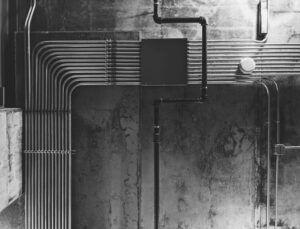
Image Source: Compagnons on Unsplash
Emergency Repairs vs Long-Term Infrastructure Planning
Reactive maintenance remains one of the biggest challenges in commercial property management. Emergency plumbing repairs are often significantly more expensive than planned upgrades because they involve:
- Immediate labor demands
- Operational disruption
- Potential property damage
- Temporary closures
- Accelerated repair timelines
- Secondary restoration work
In contrast, proactive infrastructure planning allows building owners to evaluate systems strategically and phase improvements more effectively over time.
This long-term approach is becoming increasingly valuable as aging infrastructure continues to affect commercial properties across the country.
Rather than waiting for failures to occur, many property managers are shifting toward ongoing assessments, preventative inspections, and infrastructure modernization programs that reduce risk while improving building performance overall.
As commercial buildings continue evolving, plumbing infrastructure will likely receive far greater attention within renovation and facility management strategies. Modern properties depend on systems that are not only functional, but also efficient, adaptable, and resilient under increasing operational demands.
The growing focus on sustainability, tenant expectations, and infrastructure reliability is changing how commercial plumbing is viewed across the construction and property management industries. What was once considered a background utility system is now becoming a central part of long-term building performance planning.
For commercial property owners, the message is becoming increasingly clear: investing in plumbing infrastructure before failures occur is often far less costly than managing the consequences afterward.
Feature Image Source: william f. santos on Unsplash




