








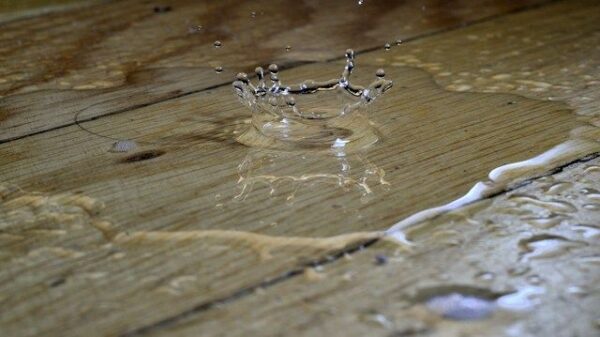
Water can flood your carpet very fast if you have a burst pipe. There could be a lot more water that you don’t see, though.
Standing water on a carpet can seep into the floor below.
Moisture may be hiding in your walls if not inspected properly. These are just some of the things that happen during a water damage restoration job.
According to ISO’s 2023 study, water and freezing made up 22.6% of incurred losses on certain US homeowner policies. This number represents incurred losses, not claims that actually occurred.
Here are some things to know about water damage restoration:
- First, you want to make sure the area is safe
- Water extraction must happen before you dry the property
- You want to make sure the property is structurally dried
- How to prevent mold from forming
- Knowing what can and can’t be saved
- When should reconstruction start?
- Documenting your water damage restoration
- Conclusion
First, you want to make sure the area is safe
You need to determine what caused the water to get into your property. There may be a broken water line, overflowing toilet, etc. Once you determine the cause, you can take action to remedy the issue. A plumber may need to stop a supply leak. Sewage and floodwater can contain hazardous contaminants, so specialist assessment and cleanup may be needed. Make sure there are no electrical or safety hazards in the home. Do not step in water and try to turn off the breaker; call an electrician if you’re unsure.
Once you have determined what happened, it’s time to assess the property. Look for wet spots, water lines, bulging baseboards, and use your moisture meter to find hidden water. Document the initial readings to use when you’re trying to dry the property.
If you have hardwood floors, there may be options to dry your floor and save it. Consider water damage restoration in McLean to help you decide what would work best for your situation.
Water extraction must happen before you dry the property
Now that you’ve identified the source of water, you need to extract as much as you can.
Water extraction will depend on how much water you have on your property. Some scenarios will require the use of portable extractors, pumps, and maybe even a truck-mounted extractor. You may have to run multiple passes over your carpet to make sure all the water is extracted. If you have carpet padding, you may have to lift it up to dry, or remove it. There could be water under the padding even if your carpet is dry.
Why do you need to extract water?
If you have excess water on your property, using only a dehumidifier is not enough. Removing as much water as possible allows the dryers to work more efficiently and extract the hidden water in your walls, floors, etc.
Remove furniture and belongings that you can salvage to another area or send them away for content cleaning. Discard belongings that cannot be salvaged, after documenting what you removed. This can also be helpful when dealing with an insurance company.
You want to make sure the property is structurally dry
Just because your floor looks dry does not mean it is dry all the way through. There could be water in your sub-floor, walls, etc.
There are many ways to ensure a property is dried properly, as explained below.
- Air movers will push air across wet surfaces, causing the water to evaporate.
- Dehumidifiers remove moisture from the air, which allows for evaporation to occur.
- Using your moisture meter, you can measure if the walls, floor, and framing are reaching dry standards.
Depending on your situation, there may be times that you need to increase heat, remove walls, etc to make sure the water is completely dried. Water may remain behind a wall even when its surface looks dry. Insulation can also be saturated, keeping water trapped in your walls.
If you have hardwood floors, there are special systems that can dry them as well. Use suitable drying methods for hardwood flooring and walls, as different materials may need different approaches.
Technicians will be checking your moisture levels throughout your project to make sure everything is meeting dry standards. Drying equipment may run for several days, depending on the materials and conditions. Equipment run time alone does not show that the building is dry.
How to prevent mold from forming
One of the biggest concerns after flooding in your home is mold. The property needs to be dried properly, while contaminated materials must be assessed for safe cleaning or removal.
There are dangers that come with flood water, bacteria, sewage, etc. You may need to take additional measures to clean these hazards out of your home, such as PPE, containment, and content cleaning.
If you blow a fan over mold or contaminated debris, it can spread throughout your home.
Make sure to dry your home as soon as possible, and remove any contents that cannot be cleaned and dried according to the CDC. Make sure to control the moisture to control mold; this is the biggest factor when dealing with mold, says the EPA.
Don’t paint over your water-damaged wall; address the problem and make sure the area is dried before you patch. Use cleaning agents that work, but remember that they will not dry your walls or allow you to patch the hole right away.
Knowing what can and can’t be saved
Every scenario is different, but you may be able to clean and dry your studs and replace your insulation and drywall. This will depend on what the water came from, how long it’s been wet, and what shape the material is in.
Typically, the restoration company will evaluate the following:
- Can this material be cleaned?
- Can the moisture be removed from this material?
- Will this material be usable once dry?
Most hard surfaces can be cleaned; if they were submerged in flood water, they may not be able to be cleaned. There are also soft materials, such as carpet, cabinets, hardwood, etc., that you need to inspect closely. There can be water trapped under these materials, as well.
It may be beneficial to tear out portions of your property to dry the area, but don’t leave behind contaminated material to prevent tearing more out.
When should reconstruction start?
After the area is cleaned and your structure meets dry standards, you can start your reconstruction process.
Your reconstruction can consist of installing insulation, drywall, flooring, trim, cabinets, and painting. There may be electrical or plumbing repairs that need to be completed, which can vary by code and permit requirements.
Before reconstruction begins, the contractor should know what was removed, where water traveled, and what the final moisture readings showed. If you put new flooring down and the area isn’t dry, you could create more problems down the road.
There is no set amount of time that it will take to dry your home; it depends on how bad your damage is and where the water is located.
Documenting your water damage restoration
As you can see, documentation can play a big role in your water damage restoration job. From the beginning, you want to document what’s going on, what you’re removing, and show that your area is dry when you’re done.
This will help when working with your insurance company; however, they may not pay for everything. It also helps when it comes to reconstruction, so you can break up costs and document that it’s dry.
Ask for moisture readings and a list of remaining repairs before you finish your project.
Conclusion
As you can see, there are many things to consider when you’re restoring your property after a flood or leak. Always make sure to extract your water and get your home structurally dried before you patch or paint over the damaged areas.




