







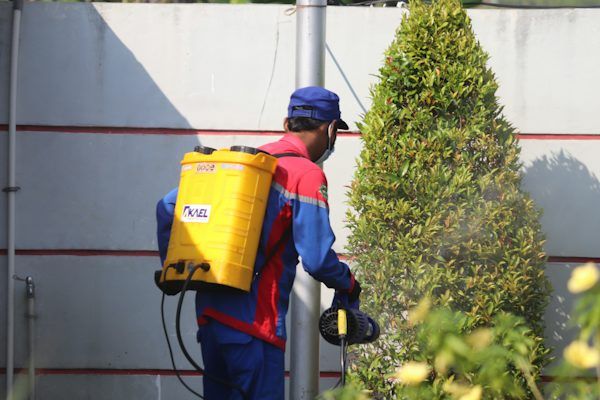
A home should be a place where people feel comfortable, protected, and at ease. However, that sense of security can quickly disappear when ants invade the kitchen, rodents move into the attic, termites threaten wooden structures, or stinging insects build nests around outdoor spaces.
While homeowners might be able to solve some of their pest-related problems themselves, persistent pest problems usually require a more structured approach. In this regard, a locally based pest management service could provide significant assistance.
Not only can such a service eliminate visible pests, but it also allows professionals to identify the factors contributing to the infestation and how pests enter the house, enabling an effective solution. Furthermore, regular prevention services can help address pests before a major problem arises.
Below is how a local pest control company protects residential property.
1. Professional Inspections Identify Problems Early
The very first step the local pest control company near the home takes to help a homeowner is to conduct a full inspection of the premises. This means that the professional does not apply any treatment right away, but can examine the property inside and out and determine which insects are present and where they are active.
Professionals can conduct inspections in kitchens, bathrooms, garages, attics, basements, crawl spaces, foundations, windows, doors, and other utility openings. Professionals can identify certain signs that homeowners cannot spot, such as droppings, gnaw marks, nests, insect trails, material damage, moisture, and potential entry points.
According to the CDC, homeowners should conduct regular inspections, as signs such as droppings and gnaw marks may be visible before any rodents are spotted.
2. Targeted Treatments Address Specific Pest Problems
Different pests require different management strategies. Ants, cockroaches, termites, rodents, mosquitoes, fleas, ticks, and stinging insects do not behave in the same way, so treating every infestation with the same method would not necessarily be effective.
A local pest control company can therefore select treatments according to the pest, the location of the activity, and the conditions surrounding the property. For example, a rodent problem may require trapping and exclusion, while termite management may involve inspection and targeted treatment. Outdoor mosquito problems may require attention to areas where mosquitoes breed or rest.
Importantly, the U.S. Environmental Protection Agency recommends an integrated pest management approach that begins with monitoring, accurate identification, prevention, and appropriate control rather than automatically relying on pesticides.
3. Sealing Entry Points Helps Keep Pests Outside
Eliminating pests inside a home is only part of the solution. If insects or rodents can continue entering through gaps and openings, the problem may return. Therefore, exclusion is an important part of long-term residential pest protection.
Professionals can identify openings around foundations, doors, windows, roofs, vents, pipes, electrical lines, and other utility connections. Depending on the situation, these openings may be sealed or repaired to reduce opportunities for pests to enter.
The CDC notes that mice can squeeze through openings as small as one-quarter inch and recommends checking areas around doors, windows, foundations, pipes, vents, and utility lines. Consequently, even seemingly insignificant gaps deserve attention when protecting a home from rodents and other unwanted visitors.
4. Moisture and Sanitation Problems Can Be Addressed
Pests require favourable conditions for survival, and food and water can make a house more inviting. Issues such as leaking plumbing systems, standing water, poorly maintained garbage areas, food residue, pet food, and other factors can lead to pest infestations.
That is why pest control goes further than just exterminating insects and rodents. The pest manager can recognize factors causing the problem and help people learn about actions that will make their house less appealing to pests.
Limiting access to food, water, and shelter is one way to prevent pests at home. Also, people should keep food stored securely, clean any spills immediately, store pet food properly, and maintain cleanliness outdoors.
5. Recurring Services Provide Ongoing Protection
A single treatment may address an immediate problem, but residential pest activity can change as seasons, weather conditions, landscaping, and household conditions change. Therefore, recurring pest control can provide homeowners with continued monitoring and preventive attention.
During scheduled visits, technicians can look for new signs of activity, inspect vulnerable areas, and apply appropriate treatments when necessary. This approach can be particularly useful for homes that experience recurring problems with common household pests.
Moreover, ongoing service can help homeowners become more aware of conditions that attract pests. Instead of waiting until an infestation becomes obvious, regular inspections provide opportunities to identify developing issues earlier.
6. Specialized Pest Management Protects Property Structures
Some pests create concerns that extend beyond inconvenience. Termites and certain other wood-damaging organisms can threaten structural materials if their activity goes unnoticed for an extended period. Rodents can also gnaw on materials and contaminate areas with droppings or nesting debris.
Accordingly, professional pest management can help protect a property’s physical condition. Termite inspections can help identify evidence of activity, while rodent control can combine exclusion and removal measures to prevent continued access.
Rodents can damage property and contaminate food, and it is recommended to remove food, water, and shelter sources, along with measures to prevent rodents from entering buildings. By addressing both the pest and the conditions that allow it to remain on the property, homeowners can take a more proactive approach to protecting their investment.
Conclusion
Pest-proofing one’s residential property means not only getting rid of those bugs and critters that one can see right now, but rather involves knowing why these pests are there in the first place, how they got into your property, removing the environment where these pests feel at ease, and continuous observation of the property. It is a local pest control service that can provide all these aspects at once.




