










Commercial construction continues to evolve as developers, contractors, and architects seek faster project delivery, greater structural efficiency, and long-term building performance. As construction demands become increasingly complex, steel fabrication remains one of the most important elements supporting modern commercial development.
From warehouses and manufacturing facilities to retail units, office buildings, and industrial sites, fabricated steel plays a critical role in creating structures that are durable, adaptable, and cost-effective. Advances in fabrication technology, design processes, and installation methods have further strengthened steel’s position as a core material within commercial construction.
Supporting Faster and More Efficient Project Delivery
One of the key advantages of modern steel fabrication is its ability to streamline construction timelines. Much of the fabrication process can be completed off-site before materials arrive at the project location, reducing delays and improving installation efficiency.
Commercial contractors frequently work with experienced fabrication companies such as Mark Steel Fabrication, which provides structural steelwork, steel-framed buildings, mezzanine floors, staircases, fire escapes, steel erection, and commercial welding services for a wide range of industrial and commercial projects.
By combining fabrication, welding, and installation expertise, modern steel specialists help contractors coordinate project stages more effectively while maintaining structural quality and compliance requirements.
The Importance of Structural Steel in Commercial Development
Steel remains one of the most widely used structural materials in commercial construction because of its exceptional strength-to-weight ratio. Compared with many traditional building materials, steel can support large spans and heavier loads while requiring less material volume.
This makes steel particularly valuable for:
- Warehouses and logistics facilities
- Industrial manufacturing buildings
- Retail developments
- Office spaces
- Distribution centres
- Multi-use commercial properties
Its versatility allows architects and engineers to create larger open-plan spaces while maintaining structural stability and design flexibility.
Advancements in Fabrication Technology
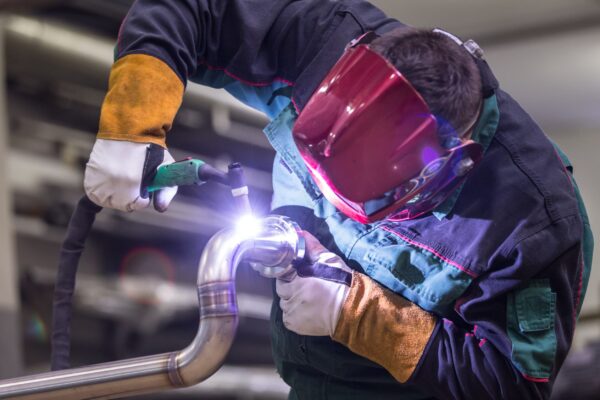
Modern fabrication facilities now utilise advanced cutting, drilling, welding, and forming equipment that improves both precision and production speed.
According to publicly available information from Mark Steel Fabrication, modern fabrication services often include plasma cutting, MIG welding, TIG welding, MMA welding, oxy-fuel cutting, magnetic drilling, and custom steel preparation for structural projects.
These technologies allow fabricators to produce highly accurate components that reduce installation challenges on-site while improving overall project efficiency.
Greater precision also helps minimise material waste and supports better quality control throughout the manufacturing process.
Enhancing Safety on Commercial Projects
Safety remains one of the most important priorities within commercial construction. Fabricated steel systems help improve safety by allowing many structural elements to be prepared in controlled workshop environments before arriving on-site.
Off-site fabrication can reduce:
- On-site cutting requirements
- Material handling risks
- Installation delays
- Exposure to adverse weather conditions
- Site congestion
In addition, professionally fabricated components are manufactured according to precise engineering specifications, helping maintain structural integrity throughout the construction process.
Supporting Flexible Building Design
Modern commercial buildings often require adaptable layouts that can evolve with changing business needs. Steel fabrication supports this flexibility by allowing customised structural solutions for a wide range of building types.
Fabricated steel can be used for:
- Mezzanine floors
- Staircases
- Access platforms
- Walkways
- Structural frames
- Fire escapes
- Security systems
- Architectural features
This adaptability allows developers to maximise usable space while maintaining efficient building layouts.
Sustainability and Material Efficiency
Sustainability continues to influence construction decisions across the commercial sector. Steel offers several environmental advantages when managed responsibly within the construction supply chain.
Benefits include:
- Recyclability
- Reduced material waste
- Long service life
- Efficient prefabrication processes
- Adaptability for future building modifications
Off-site fabrication also supports more controlled material management, helping reduce waste generated during construction.
As environmental performance becomes increasingly important, steel continues to align with many modern sustainability objectives.
The Growing Demand for Bespoke Fabrication
Commercial projects often require specialised solutions that standard components cannot provide. Bespoke fabrication allows contractors to address unique structural requirements while maintaining performance and compliance standards.
Many fabrication companies now provide tailored services for:
- Industrial facilities
- Security installations
- Structural reinforcements
- Plant equipment modifications
- Commercial access systems
- Custom steel-framed buildings
This ability to customise solutions has become increasingly valuable as commercial developments become more specialised and technically demanding.
Collaboration Across Construction Teams
Successful commercial projects rely on close coordination between architects, engineers, contractors, and fabricators. Modern fabrication companies often work directly alongside project teams throughout design, manufacturing, and installation phases.
This collaborative approach helps:
- Reduce design conflicts
- Improve project scheduling
- Maintain compliance requirements
- Support budget management
- Improve construction efficiency
Early involvement from fabrication specialists can often identify practical solutions before construction begins, reducing costly revisions later in the project lifecycle.
Final Thoughts
Steel fabrication continues to play a vital role in modern commercial construction by supporting structural performance, project efficiency, safety, and long-term durability.
As commercial developments become larger and more complex, the demand for high-quality fabricated steel solutions is likely to continue growing. From structural frameworks and mezzanine floors to bespoke commercial installations, modern fabrication helps bring ambitious construction projects from concept to completion.
For contractors, developers, and project teams focused on performance and reliability, steel fabrication remains one of the most valuable foundations of contemporary commercial building.




