





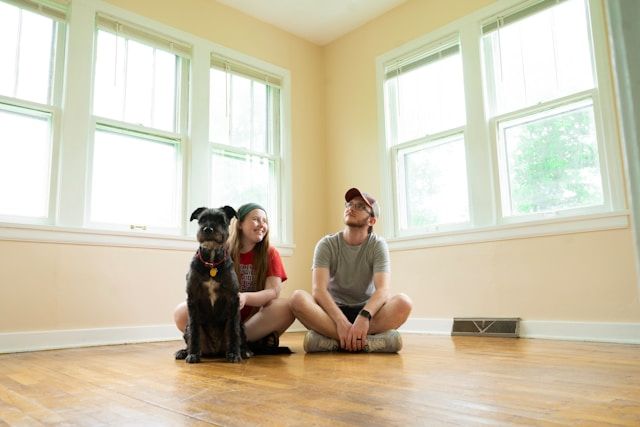
There was a time when the path into adulthood followed a predictable map.
Finish school. Move to the city. Rent a small apartment. Build a career. Eventually think about buying a home.
For years, that sequence defined how many people imagined their twenties and early thirties.
Today that map is starting to look different.
Rising housing costs, changing work patterns, and shifting lifestyle priorities are quietly redrawing where people believe adult life should begin.
The City Is No Longer the Automatic First Step
For decades, cities represented opportunity.
They were where industries clustered, where nightlife happened, and where young professionals believed they needed to be in order to build a career.
Living in a small apartment near downtown felt like part of the experience.
But as housing prices climbed in many major urban centres, the trade-offs became harder to justify. Paying high rent for limited space began to feel less like an adventure and more like a financial strain.
At the same time, work itself began to change.
Remote work and hybrid schedules loosened the connection between employment and geography. Many people discovered they could live farther away from city centres without sacrificing career growth.
This shift opened the door to new choices.
The Rise of “Nearby but Not Downtown”
Instead of choosing between urban life and rural life, many people are now choosing something in between.
They are moving to communities that sit just outside major cities. These places still offer access to urban jobs and infrastructure, but they also provide more space, quieter neighbourhoods, and often a stronger sense of community.
This pattern is visible around many metropolitan areas.
Young professionals who once felt obligated to live in the city core are now considering regional areas where housing is more attainable and daily life feels less compressed.
The change is subtle but significant.
What People Are Really Looking For Now
The shift is not only about price. It is about lifestyle.
Many buyers now prioritize things that used to feel secondary.
They want homes where a second bedroom can double as a workspace. They want access to parks and outdoor space. They want neighbourhoods where daily errands do not require navigating dense traffic or crowded transit.
These priorities became clearer during the pandemic, but they have continued even as cities reopened.
People are thinking more carefully about how their homes support their everyday lives.
The Quiet Appeal of Smaller Communities
Smaller communities surrounding large cities often offer something that dense urban centres struggle to provide.
Breathing room.
Streets feel calmer. Homes tend to have more space. Neighbourhoods often develop stronger local connections because residents stay longer and interact more regularly.
For buyers entering the housing market for the first time, these environments can feel more stable.
They also allow people to think about long-term living instead of temporary stepping stones.
The Information Gap Buyers Face
Despite these shifts, navigating the housing market can still feel overwhelming for many first-time buyers.
Prices, neighbourhood dynamics, and long-term property value vary dramatically between communities that may only be a short drive apart.
Many buyers begin their search with broad assumptions about where they want to live. Only later do they realize how much local knowledge influences the outcome of a home purchase.
Understanding which neighbourhoods are evolving, which areas are seeing new development, and where buyers are finding long-term value requires insight into the local market.
In regions such as Durham, professionals working in Shawn Lepp real estate often see firsthand how buyers are expanding their search beyond traditional city centres as they explore communities that balance accessibility with everyday livability.
A Different Kind of Housing Conversation
The broader housing conversation is also changing.
In the past, discussions about real estate focused heavily on investment potential and market timing.
Today, the conversation often sounds more personal.
Buyers talk about commute flexibility. They talk about where they want to raise children. They talk about whether their home environment supports their mental health and daily routines.
Housing decisions are becoming lifestyle decisions rather than purely financial calculations.
The Map Will Keep Changing
Housing patterns have never stayed fixed for long.
Cities grow, industries shift, and new infrastructure changes how people move through regions. The places people once overlooked can quickly become the places everyone wants to live.
What feels different today is how flexible the definition of “location” has become. Young professionals no longer assume they must live in the centre of everything.
Instead, they are asking a simpler question.
Where does life actually feel manageable?
For many people, the answer is no longer found in the places everyone used to look first.




