










When you manage road construction projects, you operate in environments where safety, compliance, and coordination must align at all times. The pressure is constant: traffic continues to move, deadlines remain fixed, and risks evolve daily. In such conditions, you cannot rely on assumptions or last-minute decisions. Instead, you need a structured approach that guides every movement within your work zone.
This is where a traffic control plan becomes critical. It defines how traffic interacts with your project and ensures that every stakeholder can navigate the area safely and efficiently.
What is a Traffic Control Plan (TCP)?
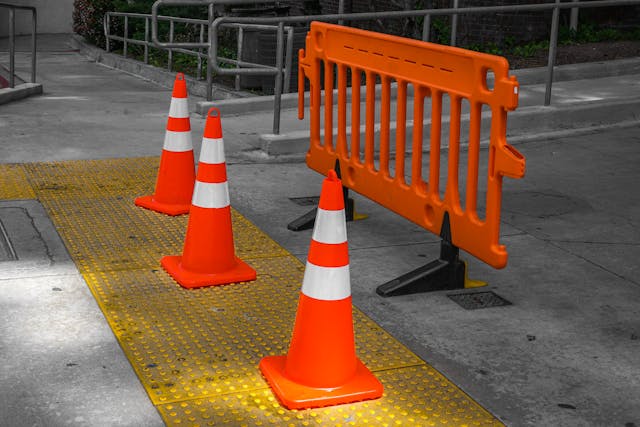
A traffic control plan is a detailed strategy that outlines how you will manage vehicle and pedestrian movement through or around a construction zone. It includes the placement of signs, barriers, cones, signals, and detours, along with timing and sequencing for different phases of the project.
When you implement traffic control plans, you create a predictable system that minimizes confusion and reduces risk. Instead of reacting to traffic issues as they arise, you operate with a clear framework that anticipates challenges and addresses them in advance.
Why Road Projects Demand Structured Traffic Management
You are working in active environments where public interaction is constant. Unlike closed construction sites, road projects require you to maintain traffic flow while completing your work. This introduces a level of complexity that demands careful planning. For road projects involving grade crossing upgrades, coordinating with a railroad contractor such as Mountain States helps align track construction activities with the traffic control plan.
Without a TCP, you may encounter:
- Unclear lane transitions that confuse drivers
- Sudden congestion near work zones
- Increased risk of accidents involving workers
- Inconsistent communication between crews and motorists
These issues disrupt your operations and create unsafe conditions. A structured plan lets you control how traffic behaves rather than react to unpredictable situations.
The Safety Impact You Cannot Ignore
Safety is one of your primary responsibilities on any road project. Workers are often positioned close to moving vehicles, and even minor errors can lead to serious incidents.
A TCP helps you establish clear boundaries between traffic and work areas. It defines buffer zones, ensures proper signage placement, and creates safe pathways for both workers and road users.
When you follow a well-designed plan, you reduce:
- Direct exposure of workers to live traffic
- Driver confusion caused by unclear instructions
- Sudden stops and unsafe lane changes
- The likelihood of collisions within the work zone
This structured approach creates a safer environment where everyone understands their role and expected behavior.
Compliance with Regulations and Standards
You are required to meet specific regulatory standards when managing traffic in construction zones. These standards are enforced by transportation authorities to maintain safety and order.
Operating without a TCP puts you at risk of non-compliance. This can lead to penalties, project delays, or even shutdowns. Regulatory agencies expect you to demonstrate that traffic management has been carefully planned before work begins.
When you work with a traffic control plan company, you ensure that your project aligns with these requirements. This reduces uncertainty and helps you avoid costly compliance issues.
How TCPs Reduce Project Risk
Every road project carries inherent risks, from driver behavior to environmental conditions. A TCP allows you to identify and manage these risks before they impact your operations.
You can plan for:
- Safe detour routes that minimize disruption
- Adequate warning distances for approaching vehicles
- Proper sequencing of lane closures
- Emergency access routes, if needed
Without this level of planning, you are left making reactive decisions under pressure. This increases the chance of errors and exposes your project to avoidable risks.
Maintaining Traffic Flow and Efficiency
Efficiency in road construction is about maintaining consistent progress without unnecessary interruptions. Traffic disruptions can slow down operations and cause delays that impact the entire project schedule.
A TCP helps you maintain smooth traffic flow around the work zone. By organizing movement effectively, you reduce congestion and prevent bottlenecks that can impact both drivers and your crew.
When traffic moves predictably:
- Your team can work without frequent interruptions
- Equipment and resources are used more efficiently
- Project timelines become easier to manage
This level of control allows you to maintain momentum throughout the project.
The Role of Professional Planning Expertise
Designing an effective TCP requires a deep understanding of traffic patterns, safety standards, and site-specific challenges. This is not something you can approach casually.
When you partner with a traffic management plan company, you gain access to specialized expertise that improves the quality of your planning. Professionals assess your project conditions and develop strategies tailored to your specific needs.
Working with experienced providers such as W.D. Wright helps you avoid common mistakes and ensures that your traffic management approach is both practical and compliant.
Adapting to Changing Project Conditions
Road projects are rarely static. Traffic volumes shift, weather conditions change, and construction phases evolve. Your traffic management strategy must be flexible enough to adapt.
A TCP provides a framework that allows you to make adjustments without losing control. You can update signage, modify lane closures, and adjust detours based on current conditions.
This adaptability helps you maintain safety and efficiency throughout the project lifecycle. Without a structured plan, changes become inconsistent and harder to manage.
Building Confidence Among Stakeholders
Your project is constantly observed by clients, authorities, and the public. The way you manage traffic reflects your level of professionalism and attention to detail.
A well-executed TCP demonstrates that you take safety and organization seriously. It builds confidence among stakeholders and strengthens your reputation in the industry.
On the other hand, poorly managed traffic can lead to complaints, delays, and negative perceptions that may impact future opportunities.
Why TCPs Are Non-Negotiable
You cannot treat traffic management as an afterthought. Every aspect of your project depends on how well you control the movement of vehicles and people around your work zone.
Without a TCP, you introduce unnecessary risk, reduce efficiency, and increase the likelihood of compliance issues. These challenges can quickly escalate and impact your project’s success.
A TCP serves as a foundation for:
- Safe work environments
- Regulatory compliance
- Efficient project execution
- Consistent communication with road users
When you prioritize structured planning, you create a controlled environment where risks are managed, and progress remains steady.
Moving Forward with a Clear Strategy
If you want your road project to succeed, you need to approach traffic management with intention and precision. This begins with developing a comprehensive TCP that guides every phase of your work.
By planning ahead, working with experienced professionals, and adapting to changing conditions, you can maintain control over your project environment.
Your ability to manage traffic effectively will determine how safely and efficiently your project is completed. When you treat TCPs as essential, you position your project for long-term success and reliability.
FAQs
What is the purpose of a Traffic Control Plan?
A Traffic Control Plan helps you manage the safe movement of vehicles and pedestrians through or around a construction zone. It provides clear instructions, reduces confusion, and supports safe operations.
When should you create a TCP for a project?
You should develop a TCP during the planning phase, before any on-site work begins. Early planning allows you to identify risks and ensure compliance with regulations.
Can small road projects operate without a TCP?
Even smaller projects require structured traffic management. The scale may differ, but the need for safety, clarity, and compliance remains the same.
Who is responsible for implementing a TCP?
You, as the contractor or project manager, are responsible for ensuring that a TCP is properly designed and implemented. Working with a traffic control plan company can help you meet this responsibility effectively.
How does a TCP improve project efficiency?
A TCP reduces disruptions by organizing traffic flow and minimizing congestion. This allows your team to maintain consistent progress and avoid unnecessary delays.






