










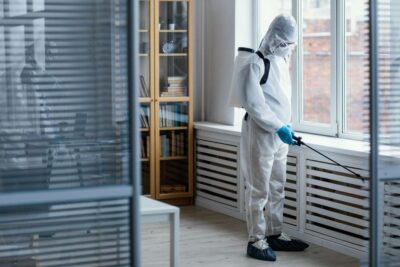
Commercial and residential buildings are designed to support daily use without interruption. Owners invest in materials, systems, and maintenance plans to protect long term performance.
Pest control now sits within that same conversation. It is no longer treated as an occasional response to a problem. It is increasingly viewed as a standard part of property management.
Publications focused on construction and facilities operations continue to emphasize efficient building management and long term performance as core priorities across commercial and residential sectors.
Pest activity directly affects both.
Buildings Create Opportunity for Pests
Modern construction improves efficiency, insulation, and energy retention. These improvements also create stable indoor environments that pests seek out.
Wall cavities retain warmth. Mechanical rooms provide shelter. Waste areas and shared infrastructure create consistent access to food and moisture.
Once pests establish themselves, removal becomes more complex because activity spreads through structural pathways rather than isolated rooms.
This is why pest management increasingly begins during ongoing property maintenance rather than after complaints arise.
The Cost of Waiting Shows Up Later
Facility managers and homeowners often delay pest treatment because early signs appear minor. A few insects or occasional rodent activity rarely feels urgent.
However, pest issues rarely remain contained.
Rodents damage insulation and wiring. Insects compromise stored materials and finishes. Infestations can interrupt tenant satisfaction, inspections, and operational timelines.
In multi unit or mixed use properties, one untreated space often affects surrounding areas. What begins as a localized issue becomes a building wide concern.
Preventive action reduces operational disruption later.
Residential Spaces Face Commercial Level Expectations
Today’s residential properties function differently than they did a decade ago. Homes now support remote work, deliveries, shared amenities, and higher occupancy throughout the day.
This increased usage places residential environments closer to commercial standards of cleanliness and reliability.
Residents expect uninterrupted comfort. Property owners expect fewer service calls. Managers need predictable maintenance schedules.
Professional pest planning supports all three outcomes.
Working with providers that specialize in residential pest solutions allows property teams and homeowners to address risks before they affect occupancy or daily living conditions.
Pest Control Supports Building Longevity
Construction conversations often focus on materials, energy systems, and structural durability. Pest prevention protects those investments over time.
Hidden infestations can weaken wood framing, contaminate storage areas, and reduce indoor air quality. These impacts develop gradually and may remain unnoticed during routine inspections.
Many facilities also rely on commercial pest control as part of their broader preventative maintenance strategy, especially in high-traffic environments where sanitation and structural protection go hand in hand.
Consistent pest management helps preserve building performance in the same way HVAC servicing or roofing maintenance does.
It protects systems already in place.
Tenant Experience Is Directly Affected
In commercial and residential environments alike, occupant experience matters.
Restaurants depend on sanitation compliance. Retail spaces rely on reputation. Residential tenants expect clean and safe living conditions.
Pest activity undermines confidence quickly. Even isolated incidents influence perception of property management quality.
Addressing pest risks early supports retention, satisfaction, and operational stability.
Seasonal Movement Requires Planning
Buildings experience predictable pest pressure throughout the year.
Spring introduces insect emergence. Summer increases outdoor migration indoors. Fall drives rodents toward heated structures. Winter exposes activity that developed unnoticed.
These cycles mirror broader facility maintenance schedules already used in construction and property management planning.
Integrating pest monitoring into seasonal inspections prevents reactive emergency responses.
Prevention Fits Into Existing Maintenance Systems
The most effective pest programs align with routine building care rather than functioning separately.
Typical integration includes:
- Scheduled inspections during maintenance cycles
- Monitoring high risk entry points
- Addressing moisture or waste management concerns
- Coordinating treatment with renovation or repair work
These steps support operational efficiency without adding unnecessary complexity.
Pest management becomes another predictable line item rather than an unexpected expense.
Renovations Often Trigger Pest Activity
Construction and renovation projects frequently disturb hidden nesting areas.
Demolition opens wall cavities. Material movement changes airflow. Temporary access points allow pests to enter previously sealed spaces.
Without planning, renovation work can unintentionally introduce new infestations shortly after project completion.
Including pest assessment during renovation timelines protects finished work and prevents post project issues.
Property Value Depends on Invisible Factors
Much of a building’s performance depends on conditions occupants never see.
Air quality, insulation integrity, sanitation standards, and structural protection all influence long term value.
Pest management supports these hidden systems by preventing contamination and physical damage before it escalates.
For investors and property owners, prevention protects operating costs as much as physical assets.
What Effective Pest Management Looks Like Today
Modern pest control focuses on analysis and prevention rather than repeated treatment.
Professionals evaluate building design, environmental conditions, and usage patterns to reduce attraction points. Treatments are targeted and monitored instead of broadly applied.
The goal is stability.
When pest management works properly, occupants rarely think about it. Operations continue normally, inspections proceed smoothly, and maintenance teams focus on planned improvements instead of urgent corrections.
A Practical Extension of Smart Building Management
Construction and renovation industries continue moving toward proactive management models built around efficiency and longevity.
Pest control fits naturally within that shift.
It protects infrastructure, supports occupant confidence, and reduces avoidable repair costs. Most importantly, it keeps buildings functioning as intended.
Well maintained properties do not rely on reaction. They rely on planning.
Residential pest solutions are simply another part of maintaining spaces that people depend on every day.






