










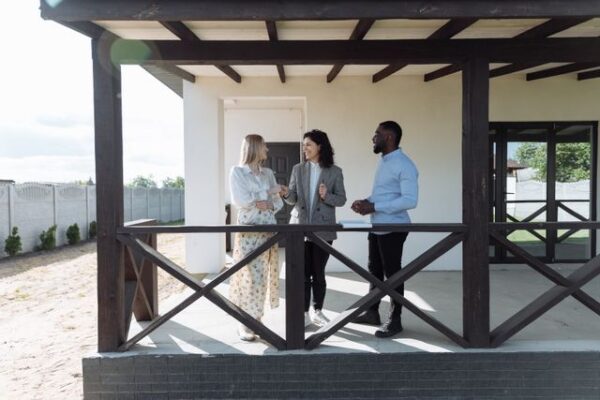
Picture buying a home. Do you see yourself trudging through open houses, poking around rooms built forty years ago by strangers? Or do you see yourself handing an architect a wish list and watching something entirely yours take shape? Lately, a growing slice of buyers are walking away from the traditional market altogether. The reasons go well past aesthetics — they touch on control, construction quality, and what a house is actually worth a decade down the road.
1. Complete Personalization and Design Control
Here’s what an existing home can’t give you: a blank slate. Buy someone else’s house and you’re inheriting their layout calls, their material choices, their idea of what a kitchen should feel like. Custom builds flip that. You sit across from architects and contractors and make the actual decisions — where walls land, how big the rooms run, whether the kitchen opens into the living space or stays tucked away.
The house ends up fitting your life rather than the other way around. That control reaches down into finishes and materials too. Flooring, countertops, fixtures, paint — all of it chosen by you, weighted against your budget however you see fit. Want reclaimed wood floors and low-VOC paint throughout? A custom builder sources exactly that from day one. No retrofitting. No compromises buried in the walls.
2. Modern Construction Standards and Building Codes
Older homes carry old rules. A house from 1988 might have insulation, wiring, and plumbing that technically passed inspection — back then. Custom builds start from current codes. Everything from the foundation up meets today’s safety standards, which means fewer structural headaches later and systems that were actually designed for how people live now. Energy efficiency is where the gap really shows. Modern HVAC equipment, tighter insulation, better windows — these aren’t luxury upgrades in new construction; they’re baseline.
Heating and cooling bills drop noticeably. Many new builds also qualify for efficiency rebates that older homes can’t touch. Home builders in Oregon, for example, know the region’s specific energy codes, local incentive programs, and material sourcing realities firsthand — genuinely useful if you’re navigating those decisions for the first time. Electrical and plumbing systems in custom builds are spec’d for modern household loads too, so you’re not buying a house and immediately pricing out panel upgrades.
3. Warranty Protection and Peace of Mind
Builders back new construction with warranties. Structural defects, systems, materials — covered for a defined window after completion. That matters. With an existing home, especially an older one, you often get an as-is clause and a seller who’s already halfway out the door. The condition of aging systems is anyone’s guess, and the financial surprises can be brutal. Warranty coverage is real money, not just reassurance. Furnace dies six months after closing on an existing home? That bill is yours entirely. Same failure in a custom build under warranty? The builder handles it. There’s also an accountability angle — contractors build quality homes partly because warranty claims hurt their reputation and their margins. That incentive structure works in your favor.
4. Avoiding Bidding Wars and Competitive Offers
The resale market in a lot of regions has turned brutal. Multiple offers. Escalation clauses. Buyers waiving inspections just to stay in the running. Custom builds sidestep all of it. You’re contracting directly with a builder — no competing offers, no rival buyers, no auction-floor anxiety. The price is set upfront. The budget is knowable. Timeline control matters here too. Instead of losing out on property after property and waiting for the right listing to surface, you sign a contract and construction starts. That predictability is underrated. It means you can actually plan — around a lease ending, a school year, a job relocation — rather than reacting to whatever inventory happens to hit the market.
5. Long-Term Value and Resale Potential
Custom homes demand more planning on the front end. But the back end tends to look better. Modern systems, solid insulation, no deferred maintenance piling up — the early years of ownership are quieter financially. Lower utility bills plus fewer repair calls adds up to meaningfully lower annual housing costs compared to an aging resale.
When it eventually comes time to sell, custom builds compete well. Future buyers see updated systems and current construction standards. Older homes often carry a stigma around what might be lurking — outdated wiring, tired mechanicals, decades of deferred fixes. A custom build sidesteps that entirely, appealing to a wider pool of buyers when you’re ready to move on.
Conclusion
The move toward custom builds isn’t a fad. It reflects a real shift in what buyers actually want: control over the process, certainty about what they’re getting, and a house that holds up over time. Instead of absorbing an existing home’s quirks and hidden problems, more people are choosing to build something specific to their needs from the start. Personalization, modern standards, warranty coverage, and a purchasing process that doesn’t involve bidding wars — taken together, that’s a compelling case. And as building technology keeps advancing, the gap between custom and resale is only going to widen.




