






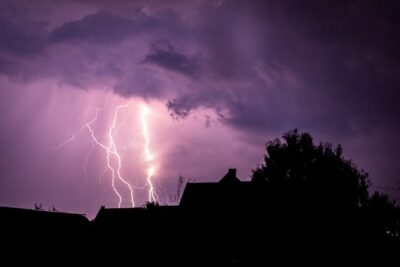
When severe weather rolls through your neighborhood, your roof stands as the first line of defense between your family and the elements. Storm damage to roofing systems can range from a few missing shingles to serious structural failures that put your entire property at risk. Too many homeowners make the mistake of putting off repairs, thinking they can wait until the problem becomes more obvious or convenient to address. What they don’t realize is that even minor storm damage has a way of snowballing into major headaches that threaten your home’s safety, comfort, and market value.
Preventing Water Damage and Interior Destruction
About storm-damaged roofs, they rarely fail dramatically all at once. Instead, they develop small vulnerabilities that let water sneak into places it should never reach. Those seemingly harmless missing shingles or slightly lifted flashing? They’re creating pathways for moisture to work its way beneath your visible roofing materials and into the underlayment and decking below. Once water infiltrates these hidden structural layers, it launches a slow-motion assault on your insulation, ceiling materials, wall structures, and eventually even your foundation.
This is exactly why a fast, thorough inspection matters so much after a storm. Homeowners dealing with hail damage roofing issues in particular need an assessment that catches the subtle bruising and granule loss hail leaves behind, since that kind of damage is often invisible from the ground but still compromises the roof’s ability to keep water out.
Avoiding Escalating Repair Costs
Let’s talk money, because that’s where postponing roof repairs really hits hard. Those few missing shingles that might run you a couple hundred bucks to replace? Leave them alone for a few months, and you’re looking at thousands in decking replacement, structural repairs, and interior restoration work. Mother Nature doesn’t take breaks, rain, snow, ice, and relentless UV rays keep hammering away at those vulnerable spots on your damaged roof, making them worse with every passing storm. Each weather event adds another layer of damage to already-weakened sections, creating a snowball effect where your repair needs multiply faster than you’d think possible.
Maintaining Structural Integrity and Safety
Your roof does a lot more heavy lifting than most people realize, it’s not just about keeping you dry during rainstorms. It distributes weight loads across your home’s structure, resists powerful wind forces trying to lift it off your house, and maintains the building envelope that shields you from environmental stresses. When storm damage weakens these critical components, your roof can’t perform these essential jobs properly, leaving your home vulnerable during the next round of bad weather. Damaged areas simply don’t have the strength to handle wind pressures and precipitation loads that wouldn’t phase an intact roof system.
Preserving Property Value and Marketability
Your home’s value takes a serious hit when your roof shows signs of damage or neglect. Real estate buyers and their inspectors pay close attention to roof conditions, knowing that replacement ranks among the costliest home improvement projects they might face. When they spot storm damage or evidence that repairs have been delayed, alarm bells start ringing about what other problems might be lurking beneath the surface.
The result? Either they move on to the next listing, or they come back with lowball offers that account for all the work they’ll need to tackle. Even if selling isn’t on your radar right now, a damaged roof affects your home’s appraised value, which matters for refinancing, home equity loans, and even your property tax bill.
When evaluating storm damage, homeowners who need to assess the full scope of repairs can rely on professional contractors, like www.aceroofingtexas.com to provide thorough inspections and accurate estimates. A well-maintained roof boosts curb appeal and signals to potential buyers that you’ve taken care of your property responsibly. Plus, keeping records of prompt repairs gives you valuable documentation for insurance claims, warranty issues, and future maintenance planning. Taking care of storm damage right away protects your investment and keeps your property competitive whenever you decide it’s time to sell.
Preventing Pest Infestations and Wildlife Entry
Storm damage creates unexpected welcome mats for creatures you definitely don’t want moving into your home. Those gaps from missing shingles, damaged soffits, or compromised flashing? They’re open invitations for squirrels, raccoons, birds, bats, and all sorts of insects looking for cozy shelter. Once these unwanted guests settle in, they set about causing even more damage, shredding insulation, gnawing on electrical wiring, leaving droppings everywhere, and building nests that attract additional pests. The scratching and scurrying sounds of wildlife partying in your attic are annoying enough, but the real concern comes from the health hazards associated with animal waste and the parasites they bring along.
Conclusion
There’s simply no way around it, repairing your roof immediately after storm damage isn’t optional, it’s essential. Putting it off only guarantees more extensive problems, bigger bills, and genuine safety risks for everyone living under that roof. Minor damage that seems manageable today quickly transforms into major structural issues, water infiltration nightmares, pest invasions, and tanking property values when you let it slide. Professional inspection and prompt repairs protect the investment you’ve made in your home, keep your structure sound, ensure your family stays safe, and give you the peace of mind that comes from knowing your main defense against weather remains strong and reliable.




