










Across the country, many of America’s schools are showing their age. According to the National Center for Education Statistics, the main instructional buildings in U.S. public schools are, on average, 49 years old. Many of these classrooms were never designed to meet today’s educational or health standards, particularly regarding indoor air quality (IAQ). As a result, millions of students and teachers spend their days in environments that may quietly impact their health, comfort, and learning.

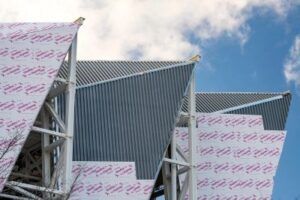
Image Courtesy of: CertainTeed
The Hidden Costs of Poor Air Quality
Poor IAQ is more than an inconvenience – it can be a significant barrier to education. Pollutants, allergens, and insufficient ventilation can trigger asthma, allergies, and other respiratory issues, particularly in children whose lungs are still developing. Studies done by the American Lung Association show that inadequate air quality can impair cognitive performance, increase absenteeism, and contribute to long-term health concerns. Educators are equally affected, often experiencing fatigue, reduced productivity, and more frequent sick days.

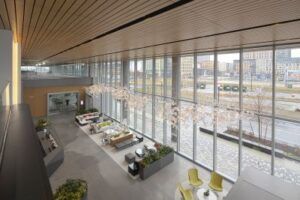
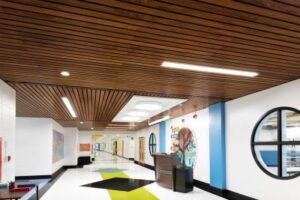
Images Courtesy of: CertainTeed
School buildings also pose unique challenges for IAQ management. They are typically high-occupancy environments, housing up to four times as many people per square foot as office buildings. The variety of spaces, including classrooms, cafeterias, gyms, art rooms, and laboratories, introduces multiple potential sources of indoor air pollutants. Limited budgets can further strain routine maintenance and cleaning efforts, allowing minor air quality issues to grow into larger, systemic problems over time.
What’s in the Air?
The causes of poor IAQ are often interconnected. Aging HVAC systems, compromised or insufficient insulation, outdated building materials, and years of deferred maintenance can lead to a range of indoor pollutants. Mold spores may develop from moisture buildup or leaks, volatile organic compounds (VOCs) can off-gas from paints, adhesives, and furnishings, and dust and allergens can accumulate in carpets and ceiling plenum. Inadequate ventilation can result in excess carbon dioxide, while particulate matter from outdoor sources can infiltrate classrooms. These contaminants often circulate undetected, particularly in older buildings that lack proper air filtration or fresh-air exchange.
The Link Between Air and Learning
Research continues to show that healthy learning environments improve outcomes. Classrooms with adequate ventilation and fewer airborne contaminants are linked to higher test scores, improved focus, and lower absenteeism. Simply put, cleaner air supports better cognitive performance and helps students reach their full potential.
Practical Steps for Healthier Schools
While comprehensive renovations can be costly, there are practical strategies that can meaningfully improve IAQ and overall comfort. Regular HVAC maintenance ensures systems operate efficiently, while timely repairs to building envelope or plumbing leaks help prevent mold growth. Upgrading insulation and other building materials to low-emitting, durable options can reduce chemical off-gassing. Acoustic ceiling and wall systems balance sound absorption with ventilation and hygiene, and portable air purifiers can be placed in high-occupancy or poorly ventilated areas to help maintain cleaner air.
As districts plan renovations or new construction, IAQ should be a foundational design priority. Key strategies include maximizing natural ventilation through operable windows and passive airflow where appropriate, specifying low-VOC and non-toxic materials, managing moisture and temperature to prevent mold growth, and integrating acoustic, thermal, and air-quality considerations into a cohesive design plan.
The Role of Building Materials
Building materials play a critical role in shaping healthier, more productive learning environments. High-performance insulation, for example, not only regulates temperature and improves energy efficiency, but also helps control moisture and reduce the risk of mold growth. Selecting insulation products with low chemical emissions helps improve indoor air quality, minimizing exposure to VOCs and other pollutants that can compromise student and staff health.
Acoustic ceiling panels are another key component. By reducing ambient noise and absorbing sound, they create a calmer, more focused learning environment. Many modern ceiling systems are designed with antimicrobial properties rendering them inhospitable to biological growth, which further helps maintain healthy indoor conditions. Additionally, low-emitting, durable wall coverings, floorings, and other building materials contribute to a cleaner, safer atmosphere while reducing the need for frequent replacements.
Materials that support proper ventilation and airflow are equally important. Products such as air- barriers and insulated duct work working with controlled mechanical ventilation can help improve air exchange rates, maintain consistent oxygen levels, and remove contaminants from classrooms. Thoughtful material selection doesn’t just improve indoor air quality – it also enhances overall comfort, supports cognitive performance, and helps schools meet both wellness and sustainability goals.
How WELL and LEED Are Shaping IAQ
Green building certifications like WELL Building Standard (WELL) and Leadership in Energy and Environmental Design (LEED ) are increasingly guiding school design, helping districts prioritize indoor air quality as a core aspect of sustainability and occupant health. WELL focuses on creating environments that improve human health and performance, with rigorous standards around air quality, ventilation, moisture management, and low-emission materials. Schools that follow WELL guidance are encouraged to monitor air quality continuously, track pollutant levels, and ensure building materials are regularly maintained.
LEED certification also emphasizes IAQ as part of broader sustainability objectives. Through standards for energy-efficient ventilation systems, the use of low-VOC and environmentally responsible materials, and careful planning of airflow and thermal comfort, LEED-certified schools are better positioned to protect occupants from pollutants while conserving resources.
Adopting these frameworks helps schools create a holistic approach to health and wellness. Not only do they improve air quality, but they also promote energy efficiency, durability, and long-term cost savings. For architects, facility managers, and school districts, WELL and LEED serve as actionable roadmaps to make informed material choices, improve building performance, and ensure that classrooms support both learning and well-being.
Manufacturer’s Role in Supporting Healthier Schools
As a building products manufacturer, CertainTeed is proud to help schools advance their IAQ strategies. Our portfolio of sustainable, high-performance materials aligns with WELL and LEED standards, supporting both human health and energy efficiency. From insulation and ceilings to air barrier systems, these solutions help create smarter, healthier learning spaces. Innovations such as ceiling systems with strong acoustical performance, air purifiers, and next-generation insulation and adaptive vapor retarder to prevent mold and enhance thermal comfort, are helping schools improve IAQ without compromising budget or design.
Improving indoor air quality doesn’t require a complete overhaul. Even small, informed interventions, such as upgrading insulation, replacing ceiling tiles, or installing ventilation-friendly materials, can have a measurable impact on student health, comfort, and performance. Prioritizing IAQ is not just a facilities issue; it’s a public health imperative and an educational investment. With the right materials, design strategies, and partners, schools can create environments where clean air and bright minds thrive together.




