










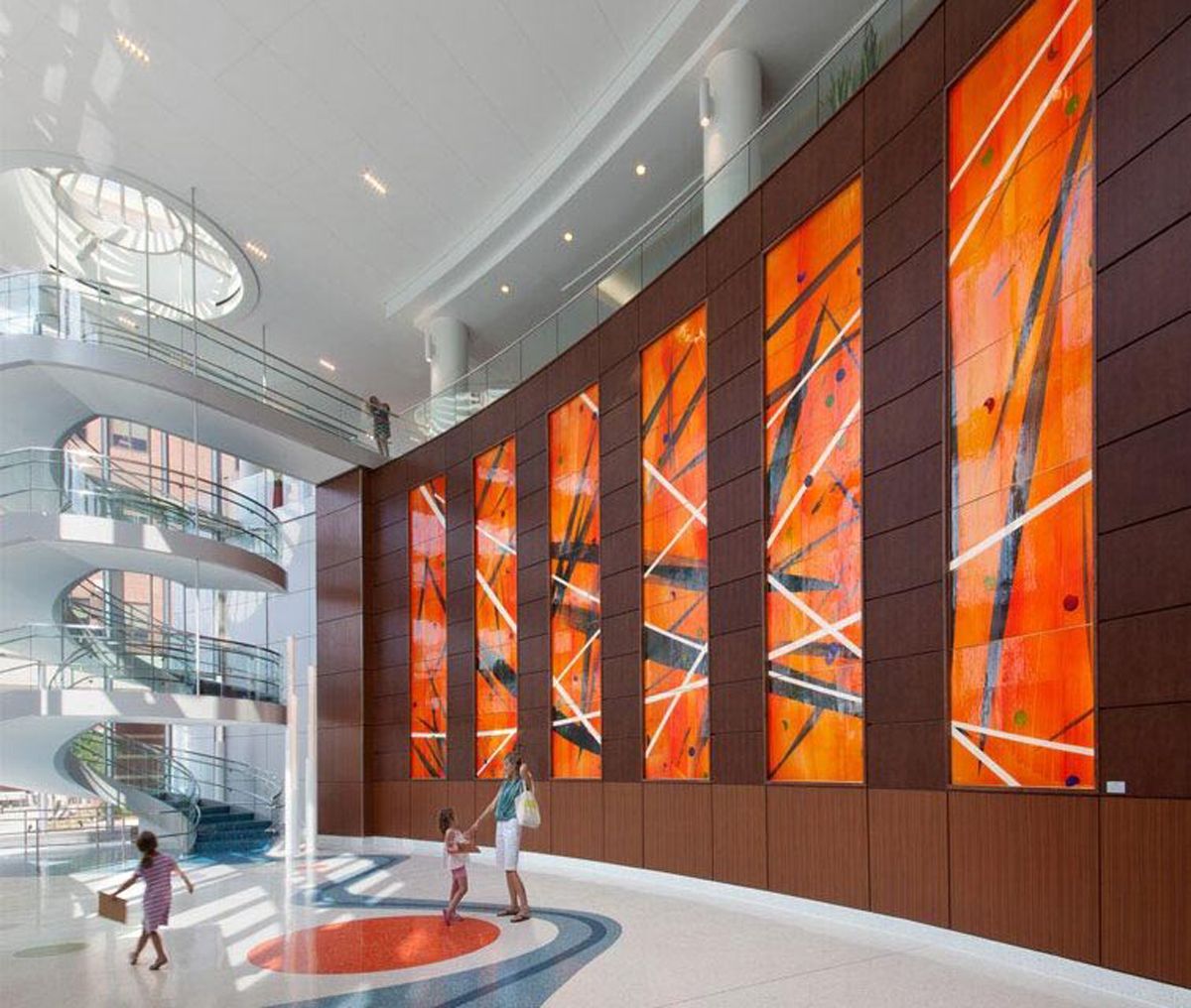
Much like casinos, hospitals have the power to make time stand still. This ability, shaped by their infrastructure and the clinicians within, impacts patients and staff in various ways. Healthcare environments are constantly transforming. No longer are hospitals and clinics designed solely for treatment. They are becoming carefully crafted spaces that promote healing, reduce stress and support both patient and staff well-being. Architectural design is at the forefront of this shift, with light materials and design elements working together to improve care delivery outcomes and redefine the healthcare experience.
Today’s most effective healthcare designs are informed by a growing body of evidence showing that the physical environment directly impacts physical and emotional health. This understanding is shaping a new generation of medical facilities.
“I’ve made the argument that architecture is a medical intervention and has as much impact on our bodies and health as much as a pill you might take or a procedure you might get in a waiting room,’’ says Diana Anderson, MD, M.Arch, FACHA, who brings together a background in both medicine and architecture through education and professional experience. “Existing evidence in clinical and architectural professions shows that spaces around us impact our brains and bodies just as much as medical intervention.”
WELLness Spaces
The principles of the WELL Building Standard increasingly guide healthcare design today. According to the WELL Standard, this system measures how features of the built environment—such as air quality, lighting systems and material choices—affect health and well-being.
In medical facilities, these standards are especially relevant because of the intense demands placed on patients and care providers. Buildings that Care explains that WELL-certified spaces aim to reduce burnout, improve sleep patterns and support productivity. This standard prioritizes regular access to daylight, healthy materials and supportive design for hospital staff, who are often the primary occupants of these buildings.
In addition to its functional properties, glass is increasingly being used as a medium for art and storytelling in healthcare settings. Designers and architects can also create videos to showcase how these innovative spaces combine technology, beauty, and human-centered design. One example of this can be found at the Roy Blunt NextGen Precision Health Institute in Missouri, where a glass-clad installation featuring scientific imagery adds both beauty and meaning to the facility.
The artwork, created in memory of a loved one lost to cancer, serves as a powerful tribute to the ongoing pursuit of medical innovation. The piece is mounted with the UL listed Turnkey Fusion Light Wall System for backlit glass and Bendheim’s LE’Diffusion Safety Glass. Engineered to ensure shadow-free light dispersion, the system hugs the wall with its minimal 2 1/16” overall depth. By using glass as both a design and storytelling medium, healthcare institutions are able to reflect compassion in their spaces.
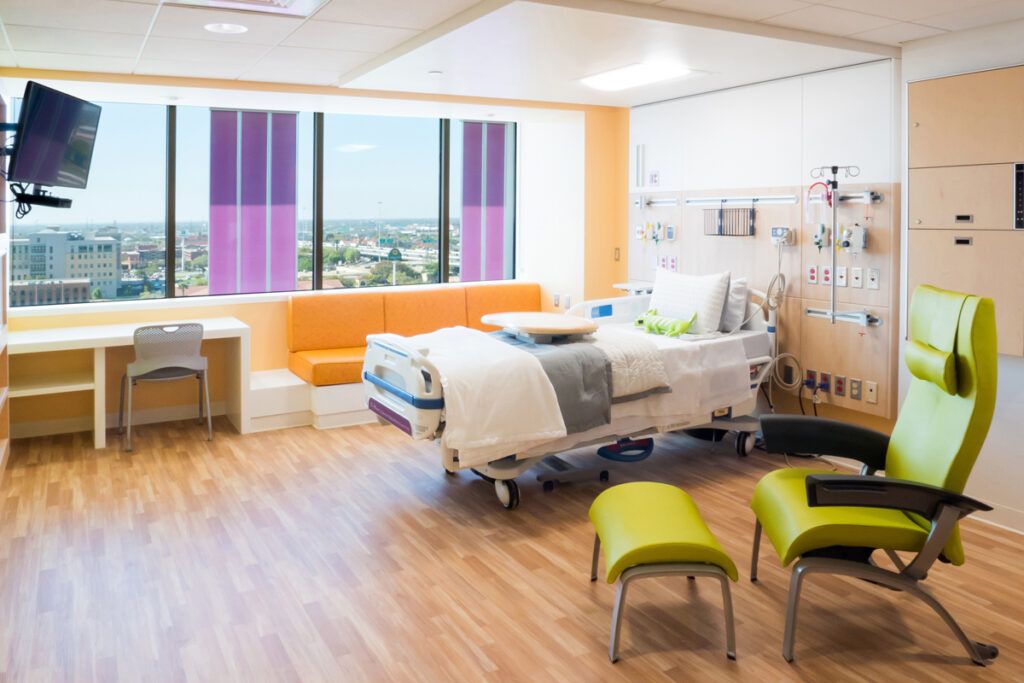 Natural Light as a Therapeutic Tool
Among the most influential design elements in healthcare is natural light. Exposure to daylight is now understood to play a critical role in mental health, sleep quality and physical healing. A 2021 study showed that patients with access to natural light experience shorter hospital stays, require less pain medication and report greater satisfaction with their care.
The value of daylight extends beyond the patient as well. Staff working in environments with natural light report increased alertness and reduced fatigue. It restores a sense of rhythm in settings where people often lose track of time and place. In hospitals across the country, glass is being used in patient rooms, corridors, waiting areas and public spaces to enhance the overall experience. Its ability to deliver light while still maintaining privacy is particularly valuable in medical environments.
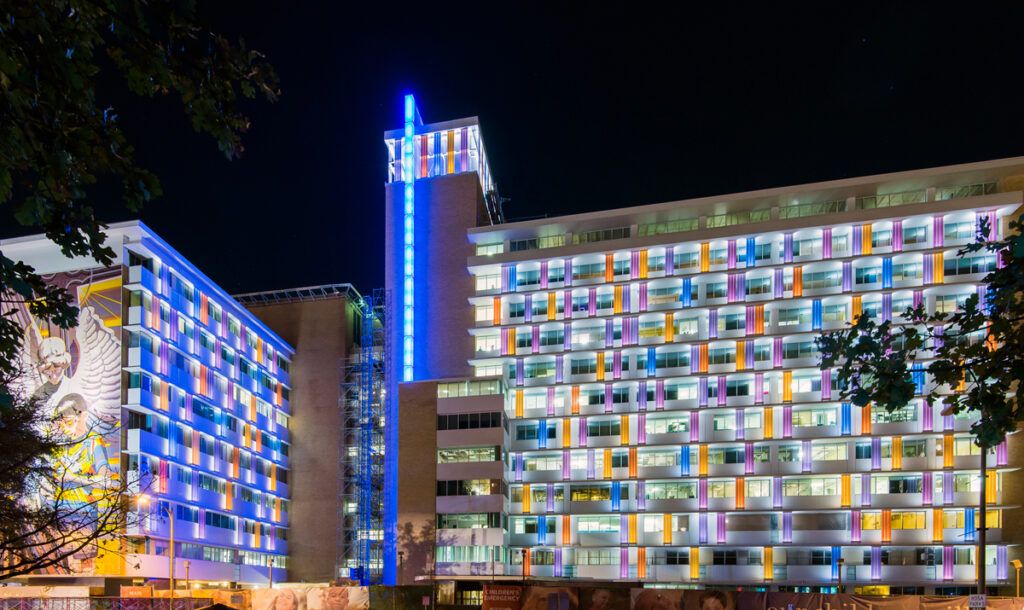
At Jersey City Medical Center, architects thoughtfully integrated Bendheim’s Houdini™ linear textured and low-iron 504 Rough Cast™ textured channel glass into the hospital’s exterior design to bring in abundant natural light. These materials, while providing enhanced thermal performance, filter daylight into patient and care areas, creating a bright environment that supports healing.
Balancing Visibility and Privacy
In healthcare, privacy is a form of psychological safety. Patients need to feel protected and respected, especially during moments of vulnerability. At the same time, visibility supports a connection to their surroundings. Navigating this is one of the great design challenges in medical architecture.
Innovations in glass and glazing technology are helping strike this balance. Channel glass, frosted finishes and tinting systems make it possible to diffuse light and obscure views while maintaining a sense of openness. Designers now can create spaces that feel bright and breathable yet still shielded from direct exposure.
“Being aware of the spaces around you is important,’’ Anderson says. “I worked in some older emergency departments with no windows, chaos, sensory stimuli, noises, no colors and thought ‘I can’t stand this’. I considered leaving, I didn’t think I could tolerate the environment. I started asking why we are working in these environments. How did it impact patients and could it be different?”
Even when people can see beyond their room, even faintly, it reduces feelings of isolation. Privacy and perspective are not mutually exclusive. With the right material strategies, they can coexist to foster dignity and psychological comfort.
 Designing Against Germs
Every surface, corner and seam must stand up to rigorous cleaning, resist bacterial growth and endure high traffic without compromising safety. This is where material choice becomes critical. Glass offers a unique combination of visual clarity and hygienic resistance. Its non-porous surface is naturally resistant to microbes and easy to disinfect, making it ideal for high-touch zones like exam rooms, isolation units and labs.
Unlike porous materials, glass doesn’t harbor contaminants, which helps reduce transmission risks across patient-care settings. Improved transparency with anti-reflective coatings also improves visibility for infection control teams, allowing better monitoring of both people and processes.
Beyond its sanitary properties, glass is also a practical choice for long-term use. It withstands frequent cleaning without degrading. Innovations like Bendheim’s Turnkey and Z-Kiss systems offer concealed mounting with pre-attached hardware, dramatically simplifying installation, saving downtime and money. Glass systems can reduce maintenance costs, designed for fast access to the walls, making refurbishments easy without damaging surrounding surfaces.
Glass systems have become increasingly popular, as they improve daylighting and allow for dry joint assembly, eliminating the need for silicone sealants. Bendheim systems offer third-party verified HPDs and EPDs, allowing architects to design with products that meet stringent green building requirements. Bendheim glass is manufactured in New Jersey under its comprehensive “Building a Clear Future” initiative, advancing sustainability throughout every aspect of their operations.
Toward a Healthier Future
What’s shifting in healthcare isn’t just how hospitals look, it’s how people understand healing. There’s deeper recognition now that healing begins well before treatment and that the spaces which are built speak volumes about intended care.
“The practice of medicine has changed,’’ Anderson says. “It’s no longer sort of a physician in a white coat behind a desk in a clinic room, and the patient’s sitting in front of him, where the environment conveys a certain hierarchy. Now, we practice shared decision making and as clinicians we provide information to help patients and families make the best decisions according to their views and goals of care. And so, you can think about spaces being more conducive to the model of healthcare delivery, like round tables, where everyone is equal.”
Glass, once seen as a purely functional material, has become a powerful ally in this movement, shaping how people feel, connect and recover within medical environments.
Sabrina Boccuzzi covers topics related to building, construction, industry trends and broader trade topics. She can be reached at sboccuzzi@mercurymc.us.






