










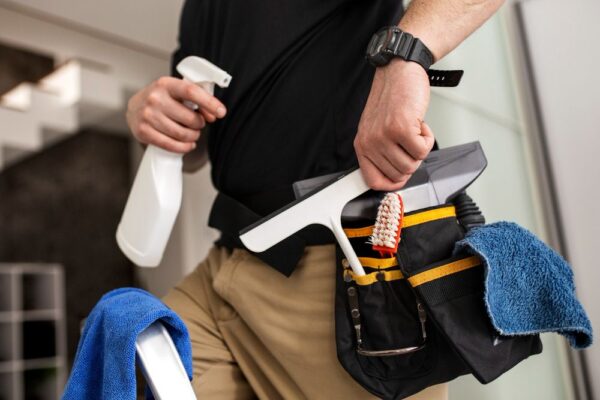
Maintaining a clean environment is an important part of protecting health and wellbeing in homes, offices, and commercial spaces. In Singapore, where many people live and work in densely populated urban areas, regular cleaning helps maintain suitable hygiene standards and creates more comfortable indoor environments. Professional services offering general cleaning in Singapore provide support for a range of cleaning requirements, from routine dusting and floor care to sanitisation and more detailed cleaning tasks.
The Role of Professional Cleaning Services
Professional cleaning services help households and businesses maintain consistent cleaning standards. Trained cleaners use appropriate equipment, products, and techniques to address areas that may be overlooked during routine cleaning. Their experience also allows them to handle different surfaces and spaces according to their specific requirements.
Cleaning methods can be adapted to suit different properties, including apartments, landed homes, offices, retail premises, and other commercial spaces. A tailored approach allows cleaners to focus on the areas that require the most attention while maintaining a consistent level of cleanliness throughout the property.
Professional cleaning can also save time for occupants and employees. Instead of managing extensive cleaning tasks themselves, property owners and occupants can rely on trained personnel to maintain the space according to an agreed schedule.
Health Benefits of Regular Cleaning
Regular cleaning plays an important role in maintaining a healthy indoor environment. Dust, allergens, bacteria, and other contaminants can accumulate on floors, furniture, surfaces, and other frequently used areas when cleaning is neglected. Routine cleaning helps reduce this build-up and supports better hygiene.
Dust and allergens can also affect indoor air quality and may contribute to discomfort for people who are sensitive to them. Regular vacuuming, dusting, mopping, and surface cleaning can help reduce the presence of these particles.
High-touch surfaces, such as door handles, light switches, desks, and shared equipment, also require regular attention. Cleaning and disinfecting these areas can help reduce the transfer of germs, particularly in workplaces and other shared environments.
Sustainable Cleaning Practices
The environmental impact of cleaning products has become an important consideration for both service providers and customers. Some cleaning companies have introduced more sustainable practices, including the use of biodegradable products, reduced chemical usage, and methods designed to minimise water consumption.
Choosing environmentally responsible cleaning solutions can reduce the amount of harmful residue released into the surrounding environment. It can also help businesses and households align their cleaning practices with broader sustainability goals.
However, sustainable cleaning should still provide effective results. Cleaning providers need to balance environmental considerations with the hygiene requirements of each property.
Technology in Modern Cleaning
Technology has changed the way professional cleaning services operate. Equipment such as automated floor cleaners, robotic machines, and specialised cleaning tools can improve efficiency, particularly in large commercial spaces.
Automation can reduce the time required for repetitive tasks while allowing cleaning personnel to focus on areas that require manual attention. Some facilities may also use sensors and monitoring systems to identify areas that require cleaning based on usage or foot traffic.
These developments can improve consistency and help cleaning teams manage larger spaces more efficiently. As technology continues to develop, automated equipment is likely to become more common across the cleaning industry.
Cleaning Solutions for Different Requirements
Cleaning requirements vary depending on the property, its condition, and how frequently it is used. General cleaning services may therefore provide different options to meet specific needs.
Routine cleaning can cover tasks such as dusting, vacuuming, mopping, bathroom cleaning, and surface maintenance. More specialised services may be required after renovation work, before moving into a property, or when preparing a property for new occupants.
Move-in and move-out cleaning, for example, may involve a more detailed approach because areas that are not normally addressed during routine cleaning may require additional attention. Post-renovation cleaning can also involve the removal of construction dust, debris, and residue from various surfaces.
Customised cleaning allows households and businesses to select services based on their property’s condition and requirements rather than relying on a single standard approach.
Challenges in the Cleaning Industry
The cleaning industry faces several challenges, including workforce availability, training requirements, and compliance with workplace health and safety regulations. Cleaning companies need to ensure that their employees have the appropriate knowledge and skills to use equipment and cleaning products safely.
Ongoing training is also important as cleaning methods, equipment, and industry standards change. Employees who receive regular training are better prepared to follow established procedures and maintain consistent service quality.
Companies must also manage operational costs while meeting customer expectations. Investing in suitable equipment, employee development, and responsible cleaning products can help service providers maintain efficiency without compromising standards.
The Future of Cleaning in Singapore
The cleaning industry is expected to continue developing as homes and businesses place greater emphasis on hygiene, efficiency, and sustainability. Technology is likely to play a larger role, with automated equipment and smart monitoring systems becoming increasingly integrated into cleaning operations.
Sustainable practices may also become more widespread as customers and businesses consider the environmental effects of their cleaning choices. At the same time, professional cleaners will continue to play an important role in tasks that require experience, judgement, and detailed manual work.
A combination of trained personnel, suitable equipment, effective cleaning methods, and responsible product selection can help service providers meet changing requirements.
Conclusion
A consistent cleaning routine contributes to healthier and more comfortable residential and commercial environments. Professional cleaning services provide practical support by applying appropriate techniques and equipment to different types of properties and cleaning requirements.
As the industry develops, technology, sustainability, and workforce training will remain important areas of focus. Cleaning providers that maintain reliable standards while adapting to changing customer and environmental requirements can continue to support the demand for clean and hygienic spaces in Singapore.






