









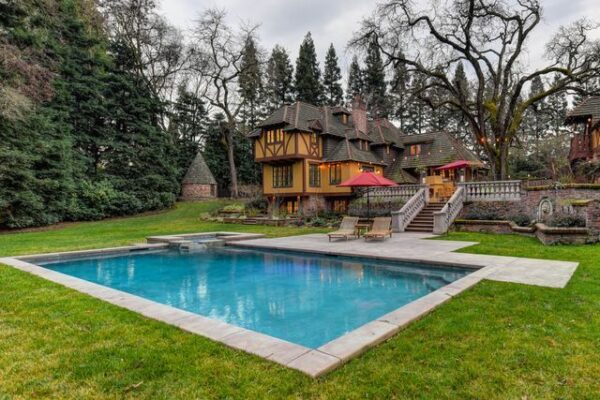
A backyard pool can look like the ultimate upgrade, but the real value shows up in how well it fits your routine, space, and budget. If you live in a warm coastal market where outdoor living matters year-round, the stakes get even higher. You’re not just adding water and tile. You’re shaping how you relax, entertain, maintain your property, and handle long-term costs without turning your yard into a money pit.
Start with how you’ll actually use the pool
Before you think about finishes or water features, get honest about your daily life. A pool for lap swimming needs a very different layout than one built for kids, parties, or quiet evenings. Plenty of homeowners fall in love with dramatic designs, then realize the tanning ledge takes up the space they wanted for actual swimming. It happens more often than sales brochures admit.
Ask yourself a few practical questions:
- Will you use it mostly for exercise, lounging, or entertaining?
- Do you need shallow play areas for children?
- Are you planning to add a spa, sun shelf, or built-in seating?
- How much deck space do you want for chairs, dining, and movement?
When you define the purpose first, every design decision gets easier. You stop buying features for looks alone and start building something you’ll use weekly, not just admire from the kitchen window.
Your yard sets limits, even when inspiration boards say otherwise
A pool design has to work with your lot, drainage, access points, and local code requirements. That dreamy resort-style layout may look incredible online, but your property might not support it without major structural changes. Trees, utility lines, slope, and soil conditions can all affect cost and feasibility.
A smart planning process usually includes:
- Measuring usable yard space, not just total lot size
- Checking setback requirements and easements
- Reviewing drainage patterns after heavy rain
- Considering privacy from neighbors or nearby roads
- Planning equipment placement where noise won’t be annoying
This is where working with an experienced custom pool builder becomes valuable. You’re not only paying for construction. You’re getting site-specific judgment, code awareness, and design input that helps you avoid a backyard version of “looked good on paper.”
Budget for the whole project, not just the shell
Most people know a pool is expensive. Fewer people map out the full financial picture before construction starts. The base pool price is only part of the story. Decking, fencing, lighting, automation, landscaping repairs, and permitting can push the final cost much higher than expected.
You’ll want to think beyond the installation invoice. Real ownership costs include:
- Water treatment and regular cleaning
- Utility usage for pumps and heaters
- Equipment repairs over time
- Surface refinishing years later
- Insurance implications and safety upgrades
If you’re comparing bids, look carefully at what each proposal includes. One estimate may seem cheaper because it leaves out items another builder already priced in. That kind of “savings” can vanish fast. A clear, line-by-line scope keeps surprises to a minimum and makes your budget far more realistic.
Materials and features affect maintenance more than you think
The finish, tile, coping, filtration system, and accessories all shape how much effort your pool will require. Some choices look sleek but show wear, dirt, or scale quickly. Others cost more upfront yet save time and frustration over the years. You don’t need to become a chemistry wizard, but you do need to understand what you’re signing up for.
A few examples make the tradeoffs easier to spot:
- Dark finishes can create a striking look but may highlight debris more clearly
- Natural stone can look premium but may need more upkeep in certain climates
- Saltwater systems can feel gentler on skin, though equipment still needs attention
- Pool automation can simplify cleaning, heating, and lighting controls
Features should earn their place. A waterfall that looks cinematic during the sales presentation may become background noise you rarely switch on. Prioritize systems that improve comfort, efficiency, safety, or maintenance. Flash is fun, but function ages better.
Safety and code compliance deserve front-row attention
Safety planning should never be treated like a boring final step. It needs attention from the beginning, especially if children, pets, or frequent guests will be around the pool. Building codes vary by location, and skipping details can create legal, financial, and practical trouble later.
- Strong safety planning often includes:
- Fencing that meets local regulations
- Self-closing and self-latching gates
- Slip-resistant deck materials
- Alarms for doors or pool access points
- Clear depth markings and proper lighting
You should also think about visibility. Can you see the pool from inside the house? Are there hidden corners blocked by landscaping or raised features? The safest design is often the one that makes supervision easier without making the yard feel like a fortress. A good pool setup balances comfort and caution without turning the whole project into a lecture.
The best builders communicate well before they dig
A polished portfolio matters, but communication matters more once your yard becomes a construction zone. You want a builder who can explain timelines, delays, material options, warranty details, and change orders in plain language. If early conversations feel vague or rushed, that usually doesn’t improve once permits, excavation, and inspections begin.
When evaluating a builder, pay attention to:
- How clearly they answer technical questions
- Whether the proposal is detailed and organized
- How they handle scheduling expectations
- What past clients say about follow-through
- Whether they discuss maintenance after completion
A strong working relationship can save you stress at every phase. Pool construction involves many moving parts, and even smooth projects need adjustments. Clear communication won’t eliminate every hiccup, but it keeps small issues from mutating into expensive headaches with decorative tile attached.
Design for resale value, but don’t build for imaginary buyers
A well-designed pool can support property appeal, especially in markets where outdoor living is a major selling point. Still, building only for resale often leads to bland decisions that don’t serve you now. The better approach is creating a pool that feels broadly appealing while still matching your lifestyle and home design.
Features that tend to age well include:
- Clean shapes that fit the architecture of the house
- Durable finishes in versatile colors
- Efficient equipment with modern controls
- Practical deck space for different activities
- Balanced landscaping that doesn’t overwhelm the yard
Overly customized designs can narrow future appeal, but cookie-cutter builds can feel disconnected from the home. Aim for a middle ground. If a feature improves your experience and fits the property naturally, it usually has more lasting value than a trendy add-on chosen just because it looked impressive online.
A great pool project ends with a plan for ownership
Once construction wraps up, the real relationship with your pool begins. You’ll need a clear understanding of startup procedures, water care, seasonal adjustments, and equipment basics. Even if you hire a maintenance service, it helps to know how your system works so small problems don’t sneak up on you.
Before sign-off, make sure you receive:
- A walkthrough of all equipment and controls
- Written warranty details
- Maintenance instructions and service schedules
- Contact information for post-build questions
- Guidance on cleaning tools and chemical balancing
For ongoing water care, the Centers for Disease Control and Prevention offers guidance on maintaining healthy swimming environments, including proper disinfection, circulation, and routine testing. For equipment and energy-use considerations, the U.S. Department of Energy provides information on pool heating efficiency and operating factors that can affect long-term costs.
The best pool projects don’t stop at the reveal photo. They leave you with a backyard that functions well months and years later. If you plan carefully, choose the right team, and focus on how you truly live, your pool can become one of the few home upgrades that feels just as good in practice as it did in your imagination.






