








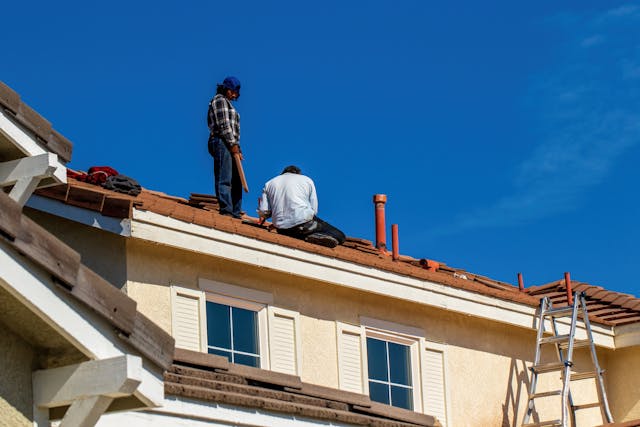
A commercial roof affects far more than the building itself. It protects daily operations, supports tenant comfort, helps control energy costs, and reduces the risk of costly disruptions. For property owners in retail, hospitality, and restaurant spaces, roofing decisions also affect customer experience, safety, and long-term asset value.
The challenge is that roofing problems are not always obvious until they become expensive. A leak, drainage issue, seam failure, or flashing problem can start small and escalate quickly. By the time water reaches interiors, insulation, ceilings, and electrical systems may already be affected.
That is why hiring the right roofing contractor matters. The quality of the contractor often has more impact on long-term roof performance than the material itself.
A Strong Roofing Contractor Should Start With the Building, Not the Bid
Commercial property owners should expect more than a price and a timeline. A qualified roofing contractor should begin by understanding how the building functions, what demands the roof faces, and what risks already exist.
That means looking at:
- Building type and occupancy
- Roof age and prior repair history
- Drainage and slope conditions
- Existing leaks or known weak points
- HVAC units, vents, and penetrations
- Operational constraints during work
A contractor who skips this step is making assumptions that can create problems later. Owners should work with teams that understand how roofing decisions affect access, scheduling, tenant experience, and daily business continuity.
For owners focused on long-term protection and fewer surprises, understanding the basics of finding the right roofing contractor can help frame better conversations before signing a proposal.
What Commercial Decision-Makers Should Expect During the Evaluation Process
A professional evaluation should feel structured and transparent. Property owners should come away with a clear understanding of the roof’s condition, what needs immediate attention, and what can be planned for later.
A quality contractor should provide:
- A thorough on-site inspection
- Photo documentation of roof conditions
- A clear explanation of issues found
- Repair and replacement options
- Realistic cost ranges
- A practical project timeline
This matters even more in commercial settings where access, weather delays, and tenant coordination affect project flow. A contractor who communicates clearly at the beginning is more likely to manage the job well once work starts.
Property owners should also pay attention to how questions are answered. A reliable contractor explains options in plain language and does not rely on vague assurances or pressure tactics.
Material Knowledge Matters, but So Does System Thinking
Commercial roofing is not just about picking a product. The full roofing system needs to work together to manage water, temperature, foot traffic, and long-term wear.
The best contractors help owners think through the full picture, including:
- Roof membrane performance
- Insulation and energy efficiency
- Drainage design
- Flashing details
- Penetration sealing
- Maintenance needs after installation
For example, a retail center with rooftop equipment and steady service access has different roofing demands than a hotel managing guest comfort and appearance. The right contractor should understand how building use affects installation choices and maintenance planning.
This system-level approach helps owners avoid short-term fixes that look affordable upfront but create recurring costs later.
Signs a Roofing Contractor Is Equipped for Commercial Work
Commercial roofing requires planning, coordination, and accountability. A contractor who performs well on residential jobs is not automatically prepared for larger commercial projects.
Property owners should look for signs that a contractor understands complex project demands.
Strong indicators include:
- Experience with occupied commercial properties
- Clear safety procedures and site protection plans
- Realistic scheduling that accounts for operations
- Organized crews and project oversight
- Documented warranty information
- Maintenance support after completion
The best commercial contractors are also proactive. They flag risks early, communicate schedule changes quickly, and help owners make decisions before issues affect operations.
Why Cheap Bids Can Become Expensive Problems
Cost matters, but the lowest bid can create the highest long-term expense if important details are overlooked.
Commercial property owners should pay close attention to scope gaps, unclear exclusions, and shortcuts in materials or labor. Problems tied to poor workmanship rarely stay isolated. A roofing issue can lead to water damage, mold concerns, tenant complaints, lost revenue, and emergency repair costs.
Instead of focusing only on the initial price, owners should ask:
- What is included in the scope?
- What conditions could change the cost later?
- How will weather delays be handled?
- What protection is in place during the project?
- What happens if issues appear after completion?
A good contractor helps owners understand value over time, not just the number on the proposal.
Long-Term Roof Performance Depends on More Than Installation
A new commercial roof is only part of the equation. Ongoing inspections and maintenance are essential to protecting the investment.
Roof systems face constant stress from weather, debris, drainage buildup, and seasonal expansion. Without regular checks, small issues can go unnoticed until they become disruptive.
A contractor who offers long-term support provides more than installation. They help property owners protect budgets, reduce emergency repairs, and extend roof lifespan.
For commercial decision-makers, the right roofing partner should feel like a resource, not just a vendor. The best results come from working with a contractor who understands how roofing affects operations, liability, and the overall health of the property over time.
How Roofing Work Impacts Operations in Retail, Restaurant, and Hospitality Spaces
In commercial environments where customers and staff are present every day, roofing work cannot be treated as a background project. Noise, access restrictions, safety concerns, and visual disruption all affect how a business functions during the job.
A qualified contractor plans around these realities instead of reacting to them.
Property owners should expect clear coordination on:
- Work hours that align with business operations
- Safety barriers and controlled access points
- Noise expectations and high-impact work windows
- Protection for entryways, signage, and customer areas
- Clean-up procedures at the end of each workday
In hospitality and retail settings, perception matters. A poorly managed project can affect customer experience and brand reputation. A well-managed project limits disruption and keeps operations moving.
Communication and Accountability Separate Average Contractors From Reliable Ones
One of the most overlooked factors in commercial roofing is communication. Missed updates, unclear timelines, and delayed responses create unnecessary stress for property owners and managers.
Strong contractors set expectations early and maintain consistent communication throughout the project.
That includes:
- A defined point of contact
- Regular progress updates
- Immediate notification of delays or changes
- Clear documentation of completed work
- Transparent handling of unexpected issues
Accountability shows up in how problems are handled, not just how the project starts. A contractor who takes ownership and communicates clearly helps prevent small issues from turning into larger ones.
Making a Confident Hiring Decision
Choosing a commercial roofing contractor is not a decision to rush. The right choice protects the building, supports operations, and reduces long-term costs.
Property owners who take time to evaluate contractors thoroughly are more likely to avoid recurring repairs, tenant complaints, and operational disruptions.
A strong contractor relationship is built on clear expectations, proven experience, and consistent follow-through. When those elements are in place, the roofing system becomes a reliable part of the building instead of an ongoing concern.
For commercial property owners, the goal is not just to complete a project. The goal is to protect the asset, support the people who rely on the space, and make decisions that hold up over time.




