










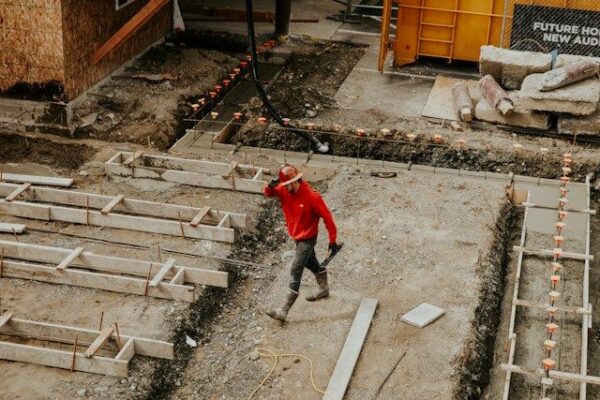
Every successful commercial project starts below the surface. Before the first beam goes up or the first invoice gets paid, the ground underneath shapes how the building will perform in decades to come. For developers, property owners, and investors, understanding foundation settlement and possible risks matters.
Some degree of foundation settlement can occur as soil adjusts to the weight of a new building. Instead, uneven settlement should be the concern as it places stress on foundations. Pre-construction due diligence is as important as ensuring the structure is built correctly. This article covers what you should know as a developer or stakeholder in a building project.
Initial Focus Should Be on the Site
Soil conditions can vary significantly across a commercial development site, regardless of the area. To start, focus on the site and not the structure. Then, conduct a proper site evaluation to identify factors that could lead to issues later in the project, such as:
- Weak or compressible soils
- Previous excavation or construction
- Soil movement
- Poorly compacted fill
- Groundwater conditions
Clay-heavy soil and seasonal moisture swings can create shifting conditions, especially in the Carolinas. These conditions are not always visible from the surface. A commercial foundation inspection can be useful when an existing structure is being expanded, renovated, or redeveloped. The goal is to know about this early so you can decide how a building should be supported.
Assess Settlement Risk Before Breaking Ground
The site information you obtain during an evaluation can be turned into practical construction decisions. Depending on the project, this assessment may involve reviewing available site records and consulting appropriate engineering professionals.
Seek answers to how much settlement could occur, where it could occur, and how it might affect the planned structure. The difference is that a building can often be designed to accommodate expected site conditions. However, when unexpected problems arise late in the project, it becomes challenging to manage them.
When an existing property has signs of structural movement, bring in a qualified foundation repair contractor for an evaluation. Doing so can provide another perspective on the condition of the foundation and possible stabilization needs.
Settlement risk can even affect your foundation design. That’s why it’s important to have the assessment done early enough. Your foundation’s design should reflect the conditions of the site. Depending on the findings, engineers may consider different foundation systems or support strategies.
Water Management Should Be Considered
Moisture and drainage play a bigger role in foundation stability than many people expect. Water management is an important part of settlement planning. When water is managed poorly around a site, it can lead to soil erosion, hydrostatic pressure, and long-term structural movement, since water collects around foundations or beneath slabs. Reviewing drainage plans alongside soil assessment helps your team understand what your foundation will be working against.
Endnote
Depending on the circumstances, foundation issues may affect materials, labor, schedules, or construction methods. By evaluating settlement risks early, developers can make better-informed decisions about design, budgeting, and construction.






