








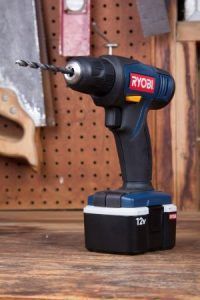
Power tools and their batteries are rugged instruments designed to perform tough jobs, but they still require care to maintain safe, optimum performance. There are steps users can take to extend tool and battery life and help keep power tools operating at peak performance for a longer life cycle.
The Power Tool Institute has compiled a list of best practices for safer use of batteries and power tools.
Safe handling
Start by reading the manufacturer’s instruction manual – and only use original manufacturer’s system components of tool, battery and charger. Do not impact or damage a battery (for example, do not use it as a hammer), use it solely for the defined purpose as specified by the manufacturer. If a battery has received a sharp blow, been dropped, or is damaged, discontinue use.
Regularly inspect batteries for signs of damage, such as crushing, cuts, or punctures. Be mindful of abnormal battery behavior, such as failure to fully charge or hold a charge, longer-than-usual charging times, noticeable drop in performance, liquid leakage from the battery, or melted plastic anywhere on the pack. These are indications of an internal problem.
Never modify, disassemble, or tamper with the battery because the performance can become unpredictable and dangerous. As a general practice, it is best to unplug battery chargers and remove battery packs from them when not in use.
Safe storage
Do not store batteries on their chargers. Always use and store the battery within the temperature limits stated by the manufacturer. Do not store in a closed location where sunlight may cause elevated temperatures, such as near a window or inside a vehicle. Do not store or transport the battery in a container with loose metal objects, such as coins, keys or nails, which may contact the terminals.
Safe response to overheating
Though batteries and chargers are safe to use when operated properly, in rare instances a battery may overheat. If the battery is exhibiting signs of overheating (flames, smoke, smoldering, or melting), immediate action is required. If connected to a charger when exhibiting signs of overheating, always unplug the charger first. After unplugging the battery charger, then pour copious amounts of water on the battery and then submerge the battery (including any attached tool or charger – do not directly touch/disconnect the battery) in a sturdy container filled with water. When transferring the battery, avoid direct contact with the battery (use a long-handled shovel) and use appropriate personal protective equipment to protect face, hands and body, since there is a risk that overheated batteries may vent, explode, or emit flame.
If the battery is exhibiting flames, continue using copious amounts of water until the flame is extinguished, then submerge the battery (including any attached tool or charger) in a sturdy container filled with water. If water is not available, dirt, sand or a conventional ABC extinguisher may be used in an attempt to smother and cool the battery until water is available.
Keep the battery submerged, in a well-ventilated location, for at least 24 hours and at least 15 feet away from any combustible items. Contact the manufacturer for guidance on proper disposal.
For more information about extending the life of power tools and their batteries, visit https://www.powertoolinstitute.com/.
About PTI
With the vision to unify and educate others about power tools, since its founding in 1968, the Power Tool Institute (PTI) has established itself as the leading organization for building global understanding of power tools and for maintaining high standards of safety in the industry. Its members, a list of whom can be found here, represent market-leading brands in the areas of portable and stationary power tools. PTI’s members are committed to improving the industry and to being the premier resource for power tool education. For more information, contact PTI 216-241-7333 or pti@powertoolinstitute.com. On the Web: www.PowerToolInstitute.com and www.TakeChargeOfYourBattery.com.






