








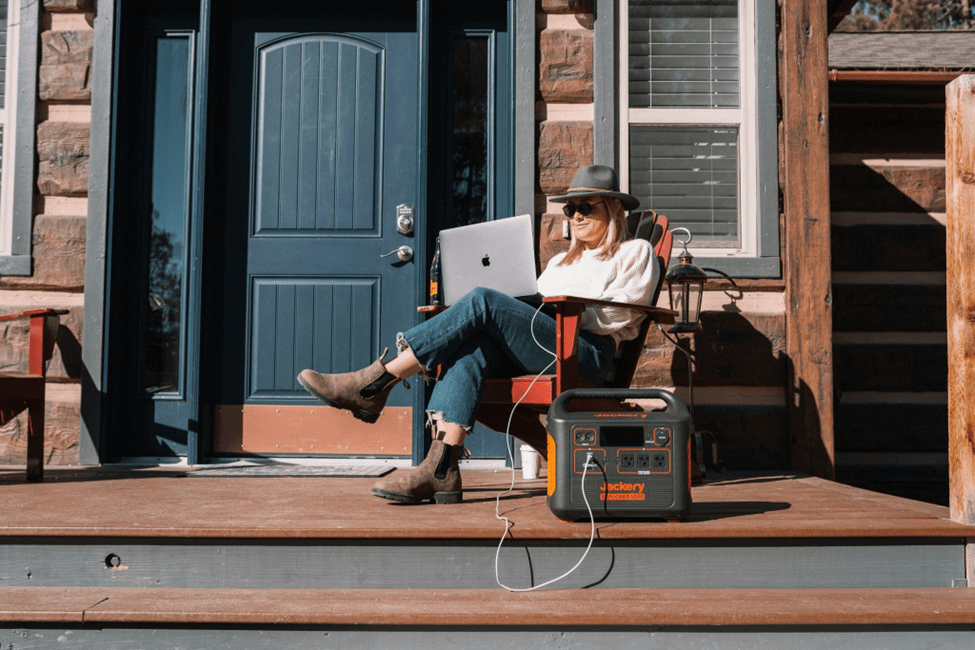
Modern homes are becoming increasingly dependent on electricity for everyday comfort and functionality. From smart appliances and lighting systems to home offices and entertainment devices, reliable power has become an essential part of daily life. At the same time, advances in energy technology have introduced new tools that allow homeowners and travelers to manage energy more efficiently. Portable power stations and smart climate control systems are two examples of innovations that are reshaping how people power and regulate their living environments.
These technologies are helping households reduce energy waste, maintain comfort, and create more resilient energy systems that adapt to changing needs.
Smart Climate Control for Energy Efficiency
Heating and cooling systems represent one of the largest sources of energy consumption in most homes. Traditional thermostats often rely on manual adjustments, which can lead to inefficient temperature management and unnecessary energy use.
Smart climate control systems offer a more advanced approach. These devices allow homeowners to automate heating and cooling schedules, monitor energy consumption, and adjust temperature settings remotely through smartphone applications.
Solutions such as Mysa provide smart thermostat technology designed to improve climate control efficiency in modern homes. By learning household patterns and adjusting temperatures automatically, smart thermostats can help reduce energy consumption while maintaining comfortable indoor conditions.
These systems are particularly useful in homes with varying daily routines, where automated adjustments can optimize temperature settings throughout the day.
The Growing Demand for Portable Power
In addition to climate control improvements, portable power systems are gaining popularity among homeowners and travelers alike. Portable power stations store electricity in rechargeable batteries, allowing users to power devices even when access to traditional electrical outlets is unavailable.
These systems are especially valuable during power outages, outdoor activities, or travel situations where reliable electricity may not be readily available.
Portable power technology has evolved significantly, with modern systems offering higher storage capacity, faster charging speeds, and compatibility with solar panels for renewable energy generation.
Battery Storage for Travel and Outdoor Use
Outdoor enthusiasts and RV travelers often rely on portable battery systems to power devices while exploring remote locations. Portable power stations can run lighting systems, small appliances, communication devices, and electronic equipment without requiring noisy fuel-powered generators.
Many travelers research equipment such as jackery batteries when building portable energy systems for outdoor use. These battery units are designed to store electricity that can later be used to power essential electronics during camping trips or road travel.
When combined with solar panels, portable batteries allow travelers to recharge power stations using renewable energy while remaining off the electrical grid.
Backup Power for Modern Homes
Photo by Jackery Power Station on Unsplash
Portable power systems are also becoming common in residential settings as backup energy sources during outages. Short interruptions in electricity can disrupt internet connections, disable home security systems, and interrupt work-from-home routines.
Portable battery stations provide temporary electricity that allows homeowners to continue powering essential devices until grid power is restored. Routers, laptops, medical equipment, and lighting systems can all remain operational during outages with the support of battery backup systems.
This flexibility makes portable power stations a practical addition to modern households that rely heavily on digital technology.
Solar Integration and Renewable Energy
Many portable power systems are compatible with solar charging. Solar panels convert sunlight into electricity, which can then be stored in battery systems for later use.
This combination creates a flexible energy system that supports both sustainability and independence from traditional power infrastructure. Solar-powered battery systems can provide electricity for cabins, RVs, outdoor events, and emergency situations.
Renewable energy integration also helps reduce reliance on fossil fuels and lowers overall environmental impact.
Smart Energy Management
Smart climate control and portable power technologies are increasingly being integrated into broader home energy management systems. These systems allow homeowners to monitor electricity consumption, track energy generation from solar panels, and manage battery storage from a single interface.
Energy management platforms can also automate certain decisions, such as reducing heating or cooling during periods of low occupancy or prioritizing battery usage during peak electricity demand.
These capabilities help households maintain efficient energy use while ensuring reliable access to electricity when it is needed most.
Technology Supporting Flexible Lifestyles
The rise of portable power and smart climate systems reflects broader lifestyle changes. Many people now work remotely, travel frequently, or maintain secondary living spaces such as cabins or vacation homes.
Flexible energy technologies support these lifestyles by allowing users to adapt power and climate control systems to different environments. Portable battery stations can travel with users, while smart thermostats allow remote monitoring and adjustments from anywhere.
This adaptability makes energy systems more responsive to modern living patterns.
Feature Photo by Jackery Power Station on Unsplash




