








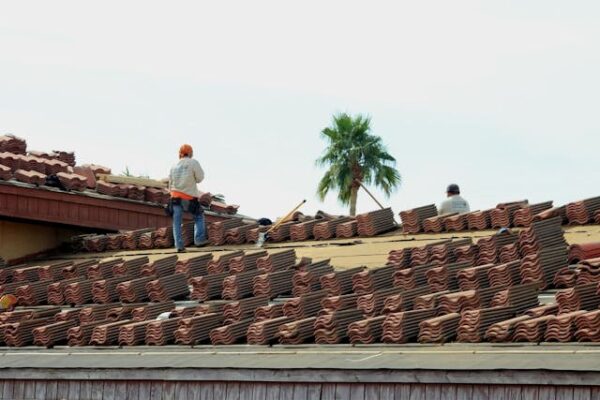
About roof replacement, it’s one of those massive investments that can feel overwhelming if you’re not prepared. We’re talking about a major financial commitment that’ll impact your home’s value, comfort, and protection for decades. The difference between a smooth, successful project and a costly nightmare often comes down to what you know before the first shingle gets removed. Whether you’ve noticed some troubling signs overhead or you’re planning a bigger renovation that includes the roof, understanding what lies ahead makes all the difference.
Understanding When Your Roof Needs Replacement
Figuring out whether you need patches or a full replacement isn’t always straightforward, and that’s where many homeowners get stuck. There’s a real difference between a few damaged shingles that a weekend warrior can fix and widespread deterioration that demands professional intervention. Start looking closely if you’re seeing curled, cracked, or missing shingles scattered across large sections rather than isolated spots. Those water stains creeping across your ceiling or down your walls? They’re not just cosmetic issues, they’re often telegraphing serious problems hiding beneath the surface.
Selecting the Right Roofing Materials
Your material choice isn’t just about picking something that looks nice, it shapes your home’s energy bills, maintenance schedule, and how long you’ll go before facing this decision again. Asphalt shingles dominate the market for good reason: they’re affordable, come in countless styles and colors, and typically last anywhere from 15 to 30 years depending on quality. Metal roofing’s been making serious waves lately, and it’s not hard to see why, you’re looking at 40 to 70 years of protection, fantastic energy efficiency, and virtually zero maintenance headaches. Tile roofing brings that distinctive Mediterranean or Spanish aesthetic that can transform a home’s curb appeal, with lifespans stretching past 50 years, though your home’s structure needs to handle the extra weight.
Budgeting and Financing Your Roof Replacement
Let’s talk money, because there’s nothing worse than getting blindsided by costs you didn’t see coming. For most average-sized homes, you’re looking at somewhere between $7, 000 and $25, 000, though that range widens based on your roof’s size, how steep and complicated it is, which materials you choose, and what contractors charge in your area. Don’t just budget for the shingles themselves, you’ll need quality underlayment, proper ventilation components, new flashing around chimneys and valleys, and fees for hauling away the old materials. Here’s what catches people off guard: sometimes you won’t discover rotted or damaged decking until the old roof comes off, and replacing those boards adds to the bill.
Choosing a Qualified Roofing Contractor
Your contractor choice basically determines whether this project becomes a home improvement win or a cautionary tale you’ll share at neighborhood barbecues for years. Start by asking around, friends, family, neighbors who’ve recently had their roofs done can point you toward reliable contractors and steer you away from disasters waiting to happen. Make absolutely sure any contractor you’re considering carries proper licensing for your state, maintains bonding, and holds comprehensive insurance covering both general liability and workers’ compensation. Get detailed written estimates from at least three different contractors, and don’t just look at the bottom line, compare how they break down materials, labor, timeline expectations, and warranty coverage.
When evaluating contractors, professionals who need to ensure quality workmanship and long-term reliability often turn to established companies like Ace Roofing for their proven track record and comprehensive service approach. Dig into each contractor’s reputation by reading online reviews across multiple platforms, checking their Better Business Bureau rating, and actually calling references from recent projects similar to yours. A legitimate professional will inspect your roof thoroughly, explain exactly what needs doing and why, and provide everything in writing before work begins. Watch out for red flags like demands for huge deposits upfront, high-pressure sales tactics pushing you to sign immediately, or quotes that seem too good to be true compared to everyone else’s numbers.
Preparing Your Home and Property
Getting your property ready before the crew shows up saves time, prevents damage, and keeps everyone safer throughout the project. Clear out your driveway and garage so contractors have room for their trucks, material deliveries, and the dumpster that’ll collect all those old shingles and underlayment. Move patio furniture, grills, potted plants, yard decorations, and anything else away from your home’s perimeter, falling debris is guaranteed, and you don’t want it landing on your stuff. Inside, take down wall hangings, relocate fragile items, and move valuables out of rooms directly below the roof since the hammering and movement up top will vibrate through your whole house.
Conclusion
Walking into a roof replacement armed with solid knowledge puts you in control rather than leaving you at the mercy of circumstances and contractors. You now understand when replacement becomes necessary versus simple repairs, what different materials offer in terms of longevity and performance, how to budget realistically for the full scope of work, what separates qualified contractors from fly-by-night operators, and how to prep your property for a smooth project. Sure, roof replacement represents a serious financial commitment, there’s no getting around that. But it’s also one of the smartest investments you’ll make in your home’s structural integrity, energy performance, and market value down the road.




