









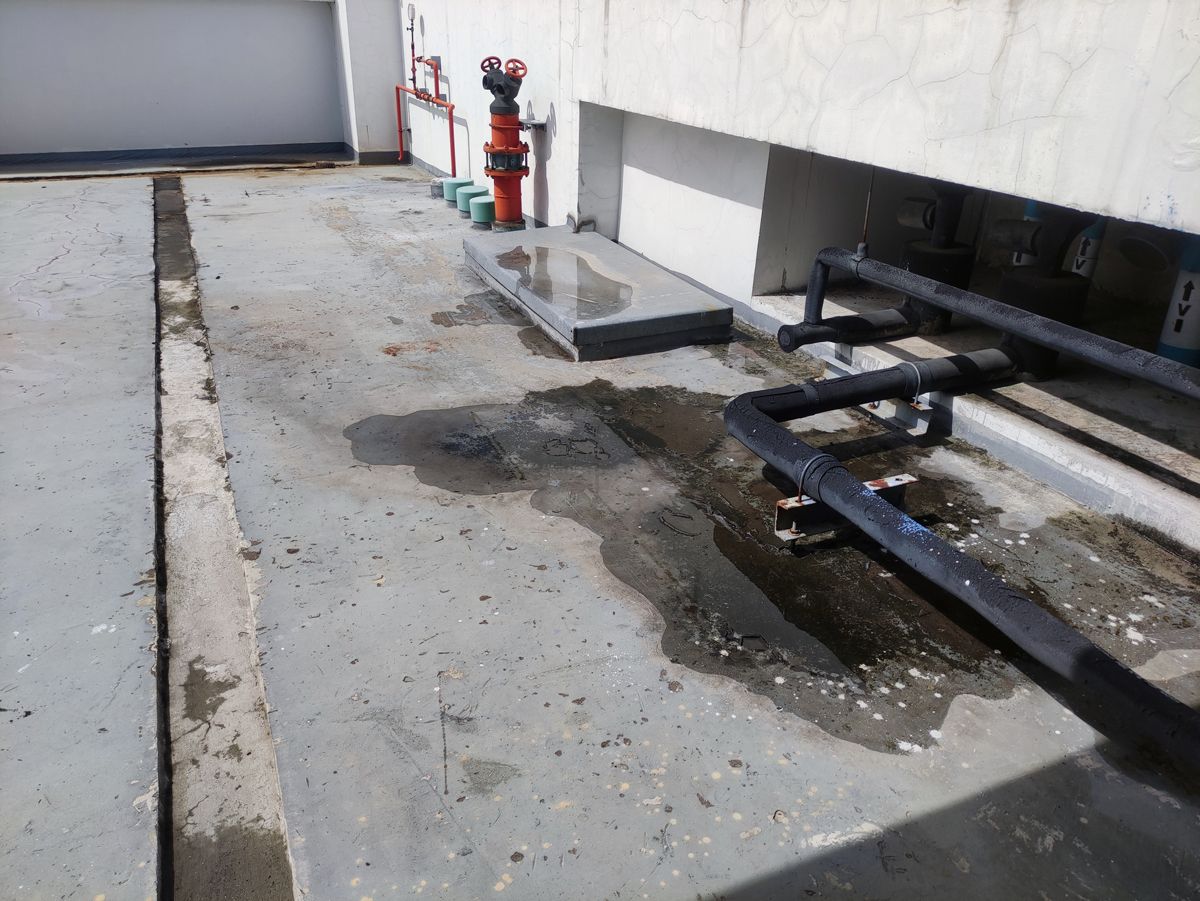
Water intrusion remains one of the most persistent and costly threats facing commercial construction and renovation projects. From new ground-up developments to complex renovations of occupied facilities, uncontrolled water can damage critical systems, disrupt schedules and significantly increase total project costs.
In one case, heavy rain flooded a sub-basement during construction and damaged a newly installed electrical transformer after a roof drain was left improperly connected. In another, a broken drinking fountain supply line in a multi-story renovation went undetected over a weekend, allowing water to migrate through completed floors and damage finished spaces below.
These losses are not unusual—and in most cases, they are preventable. Successful projects consistently manage water risk through early planning, disciplined execution and proactive monitoring.
Why Water Damage Deserves Executive Attention
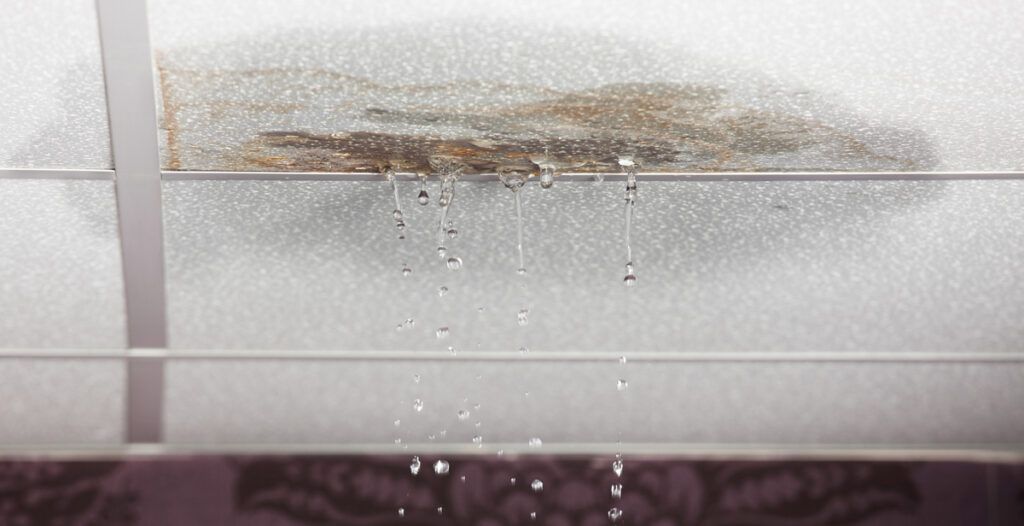
Water damage differs from many construction risks because it often develops quietly and escalates rapidly. A small leak can compromise finishes, mechanical systems, electrical infrastructure and building interiors long before it is discovered.
For owners and developers, the consequences extend beyond repair costs to include schedule delays, tenant disruption, reputational risk and insurance claims.
A comprehensive Water Damage Prevention Plan (WDPP) provides a structured approach to identifying exposures, managing them throughout construction, and responding quickly when issues arise.
Key Components of a Water Damage Prevention Plan
An effective WDPP begins with risk identification and accountability. Routine inspections should focus on uncovering uncontrolled water sources and verifying that drainage systems are functioning as designed.
Basic maintenance such as keeping roof drains clear and ensuring water is directed away from structures remains a foundational control.
More advanced prevention plans integrate technology and engineered safeguards. Backflow preventers on sewer connections can reduce the risk of backups, while water sensing technology provides early alerts in high-risk areas, allowing teams to intervene before damage becomes widespread.
The value of these measures lies in early detection. Faster response times consistently translate into lower repair costs and reduced operational disruption.
Understanding Where Water Intrusion Occurs
Water intrusion typically originates from three primary areas on commercial projects:
- The building envelope: Roof systems, exterior walls, floors and penetrations that must remain weather tight throughout construction and renovation
- Interior systems: Domestic water piping, HVAC equipment, water fed appliances, process piping and fire protection systems
- Exterior conditions: Surface water driven by improper grading, drainage, landscaping, gutters, downspouts or severe weather events
Projects that experience water losses often involve a breakdown at the intersection of these systems—particularly during transitions between construction phases.
Planning and Operational Controls That Reduce Risk
Preventing water damage requires consistency and coordination across all stakeholders. Effective programs typically include:
- Defined quality control expectations for all trades
- Verification of a weather tight envelope at each construction phase
- Daily protection of unfinished openings
- Regular inspection of roof and site drainage systems
- Confirmation of positive drainage away from the building
- Sealing of all penetrations and sleeves
- Oversight of temporary water supplies
- Controlled testing of water bearing systems using formal procedures
- Protection of vulnerable finishes, materials and equipment
- Seasonal freeze protection measures
- Clear access to shutoff valves and drains
- Installation of early detection water sensors
- Routine water risk walkdowns
 Training for Personnel on Recognizing and Responding to Water Events
When applied consistently, these controls significantly reduce both the frequency and severity of water-related losses.
Building Codes, Roof Design and Long-Term Resilience
Stronger building codes play a critical role in mitigating water intrusion, particularly in roof design. Many commercial buildings are still constructed without sealed roof decks—the structural surface beneath roofing materials.
If high winds remove roofing membranes or coverings, unsealed decks allow rain to enter the building immediately.
Sealing roof decks during construction adds a relatively modest upfront cost but provides substantial long term protection. For owners, this measure can prevent extensive interior damage and preserve asset value over the building’s lifecycle.
Renovation as an Opportunity to Strengthen Assets
Renovation projects offer a strategic opportunity to improve a building’s resilience to water and severe weather. Enhancing framing systems can increase resistance to wind forces, reducing the likelihood of wind-driven rain intrusion.
Equally important is evaluating wall assemblies, roof systems, windows, doors, exterior drainage and landscaping. Identifying the location of critical mechanical and electrical equipment—and ensuring emergency power systems can support those assets—can limit operational downtime following a water event.
Leveraging Technology for Early Detection
Water sensor technology has become an increasingly valuable tool in commercial construction and renovation. Sensors placed near high-risk areas can alert teams to leaks or intrusion in real time, particularly in unoccupied or low-visibility spaces.
The difference between addressing a leak immediately and discovering damage hours or days later can be dramatic. Early alerts often prevent minor issues from becoming major losses.
A Proactive Approach to Water Risk Management
Water damage continues to be one of the leading sources of property loss across commercial construction. Owners, developers, and contractors who proactively identify risks early, implement a robust WDPP, and use technology to support monitoring are far better positioned to protect schedules, budgets and long-term asset performance.
Through disciplined planning and coordinated execution, commercial projects can significantly reduce the costly and disruptive impacts of water intrusion.
Andy Swift is a construction technical manager in The Hartford’s Risk Engineering organization.






