









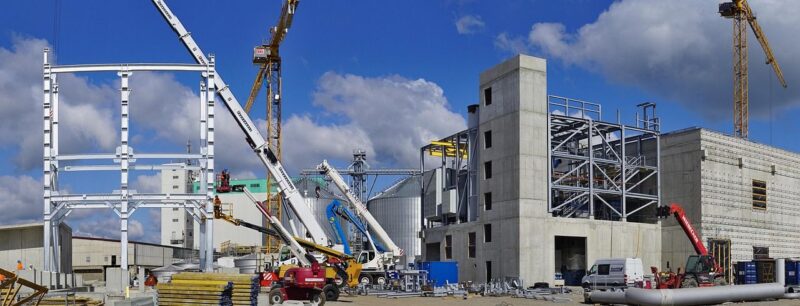
Construction sites move quickly. Materials arrive daily, equipment changes hands, and crews rotate between tasks. In the middle of all that activity, valuable assets remain vulnerable to theft, damage, and misuse. If you manage a project, you know that a single stolen machine or missing shipment can slow progress and drive up costs.
Fortunately, these risks can be reduced with smart planning and practical security habits. More than fences and padlocks, modern job sites rely on layered protection that blends technology, procedures, and accountability. This guide shows you how to safeguard your construction site assets and keep your project moving forward.
What Makes Construction Sites Vulnerable
Before improving construction site security, it helps to understand why sites attract theft and loss. They contain expensive tools and equipment, heavy machinery, and large volumes of materials, many of which can be resold quickly. That makes them prime targets.
Access is another challenge. Workers, suppliers, subcontractors, and inspectors all move through the site, making it difficult to track who belongs there. Without clear controls, small losses can go unnoticed until they become costly problems.
Temporary layouts also create risk. Construction zones constantly change as projects progress. Entry points move, equipment shifts location, and storage areas get relocated. Security must adapt just as quickly, or gaps will appear.
Secure the Perimeter With Visible Deterrents
Start with the perimeter. A clearly defined boundary discourages casual theft and sends a message that the site is monitored. Strong perimeter fencing, locked gates, and clear signage are simple but essential safeguards.
Visibility matters as much as strength. Good lighting removes hiding spots and increases awareness during early morning or evening hours. Thieves prefer darkness and confusion. Bright, well‑lit work zones reduce their advantage.
You should also mark all official entry points and limit access to a few controlled gates instead of multiple open paths. When workers and deliveries use the same monitored entrances, you gain better oversight of who enters and exits the site. In some projects, security guards or mobile patrols serve as an additional deterrent.
Coordinate Security With Project Management
Strong security works best when aligned with project planning. Coordinating deliveries, equipment movement, and storage routines ensures protective measures fit naturally into daily operations.
Schedule large deliveries during active work hours whenever possible. Materials that arrive during the day are less likely to sit unattended overnight, and coordinated timing reduces exposure. When equipment or tool containers must be moved between sites, use tamper evident security seals from reputable manufacturers to provide a clear record of custody and discourage unauthorized access during transport.
Establish end‑of‑shift storage routines for heavy equipment. Parking machinery in visible clusters and locking control panels makes theft harder, while consistent practices deliver results. A site manager or general contractor should oversee these routines, supported by regular security assessment reviews to ensure measures remain effective as projects evolve.
Track Equipment and Tools in Real Time
Construction equipment is a major investment, and losing even one machine can halt progress and disrupt schedules. That’s why many modern sites rely on digital tracking systems.
GPS trackers allow you to monitor the location of heavy equipment and vehicles at any time. If a machine leaves the designated area after hours, the system sends an alert, giving teams time to respond before the loss becomes permanent. Smaller tools also benefit from digital inventory systems that track check‑ins and check‑outs. This improves accountability and discourages theft.
Effective inventory control ensures that even small assets remain accounted for.
Some systems now offer real-time monitoring dashboards, giving site managers immediate visibility into equipment movement and tool usage.
Use Surveillance to Strengthen Site Awareness
Cameras add another layer of protection. Modern security cameras are affordable, flexible, and effective for monitoring entrances, equipment yards, and storage zones.
Remote monitoring brings extra benefits. You can view camera feeds from a phone or computer, even when you’re off site. This makes it easier to investigate incidents quickly or verify deliveries and activity after hours.
Advanced video surveillance systems now include motion detection, alerts, and integrated alarm systems. If movement occurs in restricted areas overnight, supervisors are notified immediately. Quick responses often stop theft before it causes greater loss. These combined measures form practical security solutions that adapt to different project sizes and budgets.
Organize Materials to Reduce Theft Opportunities
How you store materials can make a big difference. Disorganized piles of supplies create confusion and make inventory checks difficult. That confusion gives thieves room to operate.
Designate specific storage zones for valuable materials. Keep copper wiring, fuel, and high-demand supplies in locked containers or secured storage units. When materials have assigned locations, missing items become easier to detect.
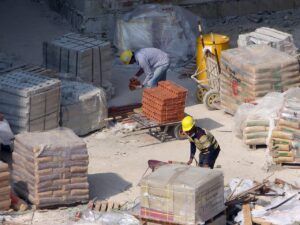
Regular inventory checks also help. Short, routine inspections prevent small losses from turning into major shortages. Workers stay more careful when they know materials are tracked and verified throughout the project.
Establish Clear Security Procedures for Workers
Technology alone cannot protect a construction site. People play the most important role. Every worker should understand the security expectations on the job site.
Start with clear access control procedures. Require identification badges or sign-in logs for employees, contractors, and visitors. This helps confirm who belongs on the site at any given time.
You should also encourage workers to report suspicious behavior. Many theft attempts fail because someone noticed something unusual and spoke up. A culture of awareness supported by clear security protocols ensures everyone knows how to respond.
Final Thoughts
Construction projects involve constant movement, valuable equipment, and tight timelines. Without a solid protection strategy, those conditions create opportunities for theft and loss. A single missing asset can ripple through the entire schedule and increase costs.
When you combine perimeter security, digital tracking, surveillance, organized storage, and strong worker procedures, your site becomes far harder to exploit. Each element strengthens the next. With the right approach, you protect your assets and the success of the entire project.






