









In the past, interior construction sites were usually blocked off with raw plywood and basic drywall. These setups got the job done, but they often created new problems for facility managers. For years, exposed wood and caution tape were just seen as part of any renovation in busy places like shopping centers or transit hubs.
Today, that standard doesn’t really hold up, especially in high-traffic environments like airports and major retail spaces. Plywood barriers are hard to seal properly, which means dust and noise can easily spill into public areas. That not only affects cleanliness, but also the overall experience for customers and nearby businesses during long projects.
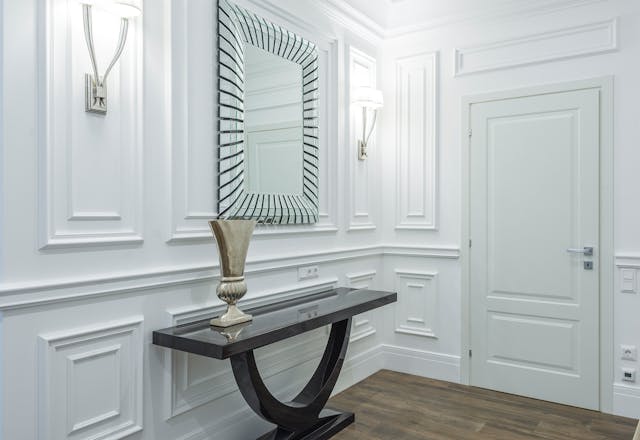
Modern modular wall systems offer a much better solution. They create a cleaner, more secure barrier and give the space a more finished look even during construction. Working with a professional barricade wall contractor helps ensure everything is installed quickly, safely, and up to current standards. It’s a smarter way to manage construction while keeping your space functional and presentable.
Dust and Contaminant Mitigation for Air Quality
Dust and contaminant mitigation is the primary concern for any renovation occurring within a functioning hospital, laboratory, or high-end retail environment. In these sensitive settings, airborne particles from demolition can compromise expensive equipment or threaten the health of individuals with respiratory vulnerabilities. Traditional barriers often fail to provide a true airtight seal, allowing particulate matter to migrate through small crevices and ventilation ducts throughout the entire building.
Modern modular wall systems solve this problem by utilizing specialized interlocking panels that create a seamless and durable physical barrier. These components are engineered to fit tightly together, preventing the escape of dust and debris from the active construction zone to the public side. This level of containment ensures that the indoor air quality remains high, regardless of the intensity of the work happening behind the scenes.
Maintaining a clean environment is a sign of a professional operation that values the safety and comfort of its occupants every single day. By providing a true seal, these systems reduce the need for excessive cleaning and prevent the cross-contamination of sterilized zones. High standards in mitigation lead to more stable and successful results for the facility’s long-term health and reputation.
Speed of Installation and Reduced Labor Costs
Speed of installation is a critical factor in reducing the total labor costs and operational downtime associated with an interior renovation project. In the past, building a traditional plywood wall required several days of measuring, cutting, and painting by a specialized carpentry crew. This slow process often delayed the actual start of construction and added significant overhead to the project’s budget before any real progress was made.
Modular walls can be erected in a matter of hours rather than days, allowing the construction team to begin their primary work almost immediately. The panels are pre-fabricated and designed for rapid assembly without the need for heavy tools or messy finishing processes. This efficiency significantly reduces the number of man-hours required to secure a site, leading to a much more cost-effective outcome for the property owner.
Bypassing the lengthy setup time of old-school barricades provides the flexibility needed to handle unexpected shifts in the project timeline or scope. It ensures that the transition from a public area to a construction zone is as fast and painless as possible for the facility. High standards in deployment lead to more stable and predictable results for your budget and your future.
Summarizing the Value of Modern Modularity
Summarizing the total value of modularity reveals that these systems are far superior to the outdated methods of the past for safety. By focusing on dust mitigation, speed, and aesthetics, modular walls provide a comprehensive solution that protects the interests of every stakeholder involved. It is about demanding a higher level of performance from your temporary infrastructure to ensure a successful and professional outcome for the build.
Reducing liability is another major benefit, as these stable and secure walls prevent unauthorized access and minimize the risk of fire. A professional installation ensures that the barriers meet all local codes and are sturdy enough to handle the pressures of a crowd. Reclaiming your peace of mind starts with a commitment to the facts and a professional approach to interior safety today.
Ultimately, the goal is to provide a better experience for the building’s occupants and tenants during a period of significant change. By prioritizing modular systems, you are showing a commitment to quality and a refusal to settle for the dusty standards of the past. High standards in preparation lead to more stable and predictable results for your family’s financial future and your health.






