








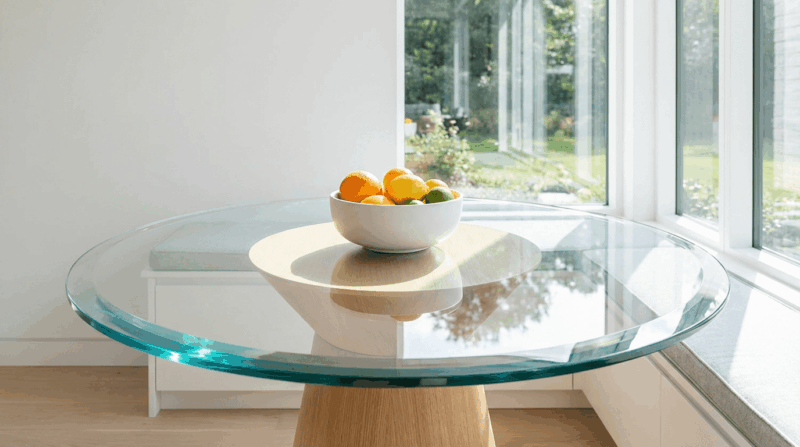
In modern interior design, furniture plays a pivotal role in shaping the aesthetics, functionality, and overall feel of a space. Among various options, round tempered glass table tops have emerged as a top choice for homeowners, designers, and contractors. These table tops are not only visually striking but also offer unmatched durability, safety, and versatility. Whether you’re designing a cozy dining area, a stylish office, or a chic coffee corner, round tempered glass surfaces can elevate the environment.
Understanding Tempered Glass
Tempered glass, often called toughened glass, is engineered to be significantly stronger than standard glass. The manufacturing process involves heating ordinary glass to high temperatures and then rapidly cooling it. This treatment introduces compressive stresses on the surface, making it resistant to impact and thermal stress. In the rare case that it breaks, tempered glass shatters into small, blunt pieces rather than sharp shards, reducing the risk of injury. This safety feature makes it ideal for furniture applications, especially table tops that experience frequent use.
The Allure of the Round Shape
While glass table tops come in various shapes—rectangular, square, oval—the round design offers unique advantages. Round tables create a sense of inclusivity and conversation-friendly environments, eliminating sharp corners and promoting a natural flow in any room. In smaller spaces, round shapes are particularly practical because they occupy less visual space and can often fit more comfortably in corners or against walls without causing congestion.
Advantages of Round Tempered Glass Table Tops
Safety and Strength
One of the most compelling reasons to choose tempered glass is safety. The toughening process enhances the glass’s load-bearing capacity, making it resistant to accidental knocks, bumps, and heat. This durability is especially beneficial in homes with children or in commercial spaces where furniture sees frequent use.
Aesthetic Versatility
Round tempered glass table tops seamlessly blend with different interior styles. From minimalist modern apartments to luxurious classic interiors, glass tables complement both wooden and metal furniture. Their transparent nature creates a sense of openness, making rooms appear larger and brighter.
Easy Maintenance
Unlike wooden surfaces that may stain or scratch over time, tempered glass is straightforward to maintain. A simple wipe with a microfiber cloth and a mild glass cleaner is often sufficient to keep the surface sparkling. Additionally, tempered glass resists moisture and heat better than many traditional materials, making it ideal for kitchens and dining areas.
Customization Options
Investing in a round tempered glass table top allows for a wide range of customization options. Homeowners and designers can select from various glass thicknesses, edge finishes, and diameters to match specific design needs. Thicker glass not only enhances durability but also adds a sense of luxury and sturdiness. Edge finishes, including beveled, polished, or rounded edges, offer both safety and a refined aesthetic.
Glass color is another customization factor. Clear glass delivers a minimalist look, while tinted, frosted, or colored glass adds personality and can tie in with existing décor themes. Some manufacturers even offer decorative elements such as sandblasted patterns or printed designs, allowing for a truly unique centerpiece.
Applications in Different Spaces
Dining Rooms
Round tempered glass table tops are an ideal choice for dining areas. Their smooth surface makes cleaning up spills effortless, while their shape encourages intimate gatherings and conversation. Paired with upholstered or wooden chairs, a glass dining table can create a modern, elegant focal point in the room.
Offices and Meeting Rooms
In office settings, round glass tables are often used for conference or meeting areas. The transparency of the glass promotes a sense of openness and professionalism. Unlike bulky wooden tables, glass tables help maintain an airy, uncluttered environment, which can improve productivity and collaboration.
Living Areas
Coffee tables, side tables, or accent tables featuring round tempered glass tops bring sophistication to living spaces. Glass surfaces visually lighten the furniture, allowing rugs, flooring, and decorative elements underneath to remain visible. This makes them a favorite in small apartments where maximizing visual space is important.
Outdoor Spaces
Tempered glass is resistant to weather-related stress, making it suitable for covered outdoor areas such as patios, balconies, and terraces. When combined with corrosion-resistant frames, round glass tables can withstand daily exposure to sunlight and humidity, offering a durable and stylish outdoor solution.
Choosing the Right Thickness
Glass thickness significantly affects the strength and feel of the table. Standard thicknesses for round tempered glass table tops range from 8mm to 12mm for home use, and up to 19mm for commercial or heavy-duty applications. Thicker glass provides greater stability and a luxurious presence, while thinner glass is lighter and more suitable for smaller or less demanding furniture pieces.
When selecting thickness, it’s essential to consider the table’s base design. For instance, a pedestal base may require a thicker glass top to prevent flexing, whereas a wide, evenly supported frame can accommodate thinner glass safely.
Edge Profiles – Style Meets Function
The edges of a glass table top are more than just aesthetic details—they impact safety and comfort. Several edge finishes are commonly available:
- Beveled Edges: Sloped edges that catch light beautifully, adding elegance.
- Polished Edges: Smooth, rounded edges for a modern and minimalist look.
- Flat Edges: Simple, straight edges that pair well with contemporary designs.
Each edge profile also enhances safety, reducing the risk of injury if someone brushes against the table. For homes with children or high-traffic areas, rounded or polished edges are often recommended.
Pairing with Different Bases
The visual appeal of a round glass table top largely depends on the base. Designers often experiment with materials like wood, metal, or acrylic. A wooden base can add warmth and contrast, while metal bases create a sleek industrial vibe. Acrylic or transparent supports allow the table to almost “float” in the room, emphasizing the clean lines and transparency of the glass.
Pedestal bases are particularly popular because they provide unobstructed legroom and maintain the symmetry of a round shape. Crossed metal legs or sculptural wooden frames can also transform the table into a statement piece that draws attention.
Longevity and Durability
Tempered glass is engineered to last. Its resistance to scratching, thermal shock, and bending ensures that the table retains its beauty and functionality for years. Even if minor surface scratches occur, tempered glass can often be polished or treated to restore its clarity. Compared to untreated glass or other tabletop materials, tempered glass offers a superior long-term investment in both safety and aesthetics.
Environmental and Health Considerations
Glass is inherently non-toxic and environmentally friendly. Round tempered glass table tops can be recycled at the end of their lifecycle, making them a sustainable choice for eco-conscious homeowners. Additionally, unlike some synthetic materials, glass does not emit volatile organic compounds (VOCs), ensuring a healthier indoor environment.
Tips for Maintaining Your Round Glass Table
Keeping a round tempered glass table top looking pristine requires minimal effort. Clean regularly with a soft, lint-free cloth to avoid scratches. Avoid abrasive cleaners, which can damage the surface. For stubborn spots, a mixture of water and mild dish soap works effectively. Using coasters, placemats, and table runners not only protects the glass but also enhances the overall décor.
It’s also wise to check the table’s base periodically to ensure it remains sturdy and balanced. Proper support prevents uneven stress on the glass, which could otherwise lead to cracks over time.
Cost Considerations and Value
Round tempered glass table tops vary in price depending on factors such as thickness, diameter, edge finish, and customization options. While they may have a higher upfront cost than standard glass or wooden tables, the long-term value is substantial. Their durability, timeless design, and low maintenance reduce replacement and upkeep costs, making them a cost-effective investment for residential and commercial spaces.
Enhancing Interior Design with Glass Tables
From a design perspective, round glass tables are versatile focal points. In contemporary interiors, they harmonize with minimalist décor, reflecting light and expanding perceived space. In classic or eclectic settings, glass tops can offset heavier textures, such as ornate rugs or rich wooden furniture, balancing the room’s visual weight.
Designers often layer decorative elements beneath the glass, such as artistic centerpieces, plants, or intricate table runners, taking advantage of the transparency to create dynamic visual interest. This interplay between form, function, and decoration makes round tempered glass tables a favorite among interior stylists.
Conclusion
Round tempered glass table tops combine elegance, functionality, and safety, making them an excellent choice for a variety of spaces. Their durability, ease of maintenance, and ability to complement any décor style ensure that they remain a practical and stylish investment. Whether for dining rooms, offices, living areas, or outdoor settings, these tables elevate both the aesthetics and the functionality of the space.
By carefully considering thickness, edge profiles, base materials, and size, homeowners and designers can create a customized table that perfectly fits their needs. In addition, the environmental benefits and long-term durability of tempered glass make it a responsible choice for modern living. Investing in a round tempered glass table top is not just a design decision—it’s a commitment to quality, safety, and timeless style. The combination of strength, transparency, and adaptability ensures that these tables remain a central feature in homes and offices for years to come.






