










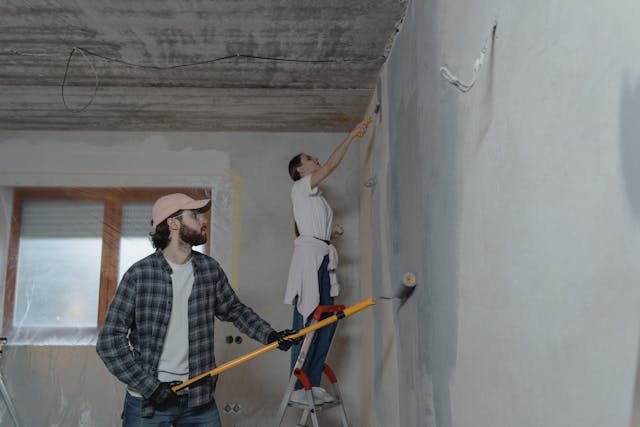
One of the most difficult situations for a landlord to be in is to renovate a property with tenants in it.
Construction zones with active building, open wiring, and dust-filled hallways don’t mix well with human beings going about their daily lives. And when things go wrong… who do you think gets the bill?
The landlord. Every time.
The good news is that with a good plan of action you can continue to move forward with the project and protect yourself from getting sued. Let’s review…
What you’ll discover:
- Why Renovation Increases Your Legal Exposure
- Understanding the Duty of Care Landlord Obligations
- Common Hazards During Tenant-Occupied Renovations
- Practical Steps To Reduce Your Liability Risk
- What To Do If An Injury Happens
Why Renovation Increases Your Legal Exposure
Renovations create hazards that didn’t exist before.
Tenants signed a lease that included an implied warranty of habitability. The second you arrive with contractors, scaffolding, and power tools you’ve altered the contract. The space now presents risks the tenant never agreed to assume.
Construction is one of the most hazardous industries you can work in. Federal data shows that employers reported 1.3 million injuries in 2024. Falls, slips and trips account for a large percentage of these incidents.
Imagine a tenant walking through that environment every day. Risk goes up massively.
Without the proper safety measures in place, you could be liable for medical expenses, lost income, pain and suffering, and more. An experienced landlord negligence and injury lawyer knows how to make the case that you violated your duty of care landlord responsibilities the moment a hazard was realized. That’s why prevention is key.
Understanding the Duty of Care Landlord Obligations
This is the part most property owners get wrong.
All landlords owe a legal duty of care to maintain the property in a reasonably safe condition for tenants. This obligation applies whether you are renovating, selling, or sitting on the property. The duty is not absolved by the presence of a construction crew on site.
The duty of care landlord standard means you must:
- Maintain habitable conditions — water, heat, and electricity need to keep working.
- Warn tenants of known hazards — if a stairway is being repaired, that should have signs and barricades.
- Visit the property often — you can’t say you didn’t know about a hazard that was plainly visible.
- Hire qualified contractors — it’s not a defense to use an inexpensive, unlicensed crew.
Note: In some states, such as California, you cannot contract out of this obligation. Lease provisions that purport to release a landlord from liability for negligence are not enforceable.
Common Hazards During Tenant-Occupied Renovations
Certain hazards are repeated again and again on renovation sites. If you’re aware of them, you can prevent them.
Falls and Trip Hazards
This is the big one. Construction creates lopsided surfaces, exposed cables, and debris. Fall protection is the most cited OSHA violation year after year. If a tenant trips on a tool left in a hallway, or slips on dust-covered tile, you’re going to have a problem.
Air Quality Issues
Demolition can create and release dust, mold spores, and sometimes lead or asbestos. Tenants with asthma, allergies or children are at high risk. These particles must be contained or you risk severe health claims.
Electrical and Plumbing Risks
Exposed wiring and disconnected pipes are hazardous. When a child sticks their hand where it doesn’t belong or a tenant slips on water from a botched plumbing job, the landlord is liable. Period.
Security Gaps
Renovations are often synonymous with propped open doors and inoperable locks. This is a great invitation for break-ins, and a tenant victimized during one of these incidents can definitely take legal action against the landlord.
Practical Steps To Reduce Your Liability Risk
Now to the good stuff. Here’s how to actively protect yourself during a renovation.
Communicate With Tenants In Writing
Before any work begins… send a written notice.
Be specific as to what is taking place, when, and what the tenant can expect. State the date, time, which areas will be affected, and whom to contact in case of emergency. This will be valuable documentation in the event of a problem.
Don’t just send one email and call it a day. Keep tenants posted as the project progresses.
Vet Your Contractors Properly
Cheap contractors are expensive when something goes wrong.
Make sure every contractor on your site is:
- Fully licensed in their state
- Carrying general liability insurance
- Carrying workers’ compensation coverage
- Bonded for the project value
Get certificates of insurance before work starts. Don’t take their word for it.
Physically Separate Work Zones
Tenants and active construction don’t belong in the same space.
Block off work areas with barriers, plastic sheeting and posted signs to keep tenants away. Post No Trespassing signs on staircases and anywhere there is a wet area. Rope off anything that has the potential to be a trip or fall hazard. Do whatever it takes to make it impossible for a tenant to stumble into a danger zone.
Keep Detailed Records
Keep records of everything. Inspections, maintenance, complaints, correspondence, contractor certifications — you name it. Because if a claim ever comes your way, this documentation could mean the difference between significant loss and walking away unscathed.
Carry The Right Insurance
A basic landlord policy may not be sufficient. Discuss with your agent the possibility of additional coverage during the renovation. Some policies may require a builder’s risk endorsement if extensive activity is occurring on site.
What To Do If An Injury Happens
Don’t let an accident ruin your planning. Here’s what to do when a tenant is injured.
Step 1: Make sure they get medical attention right away.
Step 2: Document the scene with photos and notes.
Step 3: Notify the insurance carrier quickly — most policies have strict reporting deadlines.
Step 4: Don’t admit fault or speculate about what happened.
Step 5: Talk to a qualified attorney before signing anything.
The treatment of the first 48 hours can make or break the case.
Final Thoughts
There’s a fine line with occupied renovations. You’re upgrading the property but not endangering tenants.
The landlord’s duty of care standard is not relaxed because of a construction phase. If anything, the standard is more onerous. Clear communication, due diligence on contractors, segregating construction areas and meticulous records give you the best opportunity to complete the project without litigation.
To quickly recap:
- Renovations create new hazards that didn’t exist when the lease was signed
- Your duty of care doesn’t pause during construction
- Falls, air quality, and security gaps are the biggest risks
- Documentation and proper contractors are your best defense
- If an injury happens, act fast and get legal advice early
Follow these steps and your renovation won’t get derailed by becoming a liability lawsuit.






