










Commercial roofing decisions used to revolve around a relatively straightforward set of priorities: upfront cost, installation speed, and basic weather protection. While those factors still matter, the commercial construction landscape has changed significantly over the last decade.
Today, roofing systems are being evaluated through a much broader lens that includes operational continuity, insurance exposure, climate resilience, maintenance cycles, energy efficiency, and long-term asset performance. For many building owners and developers, the roof is no longer viewed simply as part of a structure’s exterior appearance. It has become an important component of overall risk management strategy.
This shift is influencing material selection across commercial construction and renovation projects, particularly as property owners face growing pressure to reduce long-term operational uncertainty while protecting increasingly valuable assets. As a result, metal roofing systems are receiving far more attention than they once did.
Rising Climate and Operational Pressures Are Changing Roofing Priorities
Commercial buildings today operate under very different environmental and financial conditions than they did even fifteen years ago. Extreme weather events are becoming more disruptive in many regions. Insurance costs continue rising. Supply-chain delays have increased replacement timelines. Labor shortages are making emergency repairs more expensive and difficult to schedule. At the same time, many businesses cannot afford prolonged operational interruptions caused by major roofing failures. These pressures are changing how owners approach roofing decisions.
Instead of prioritizing the lowest upfront bid, more stakeholders are evaluating how roofing systems will perform over decades of exposure, temperature fluctuation, storm activity, and maintenance demand. Durability, resilience, and lifecycle stability are increasingly becoming part of broader asset-protection conversations.
This evolution is particularly noticeable in commercial renovation projects where roofing upgrades now intersect with energy planning, insurance considerations, sustainability targets, and long-term capital expenditure forecasting. The roof is no longer treated as a short-term construction line item. It is increasingly viewed as infrastructure.
Why Commercial Owners Are Investing More in Long-Term Roof Performance
One of the clearest examples of this shift is the growing demand for roofing systems built for long-term performance rather than frequent replacement cycles. Commercial property owners are paying much closer attention to how roofing materials affect maintenance needs, repair frequency, energy efficiency, and long-term operating costs. In many projects, the conversation now goes far beyond appearance or installation speed alone.
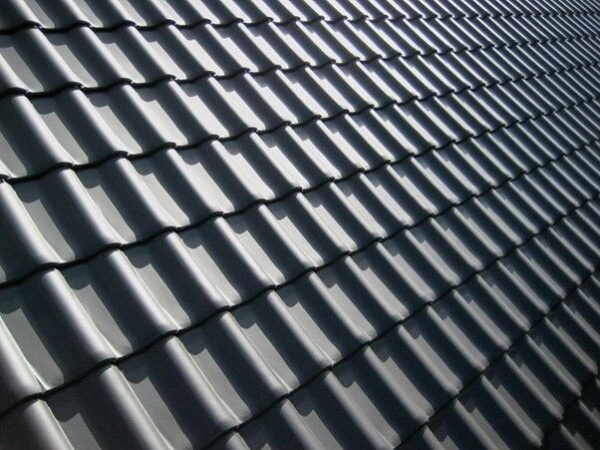
As a result, metal roofing installation is becoming a more common choice among developers and facility managers looking for stronger weather protection, longer material lifespan, and fewer disruptions caused by ongoing repairs. Instead of treating the roof as just another finishing element, many commercial property owners now see it as an important part of overall building performance and long-term asset planning.
This approach is especially important for facilities where downtime can quickly become expensive, including logistics centers, healthcare buildings, manufacturing sites, retail properties, and multi-tenant commercial spaces. In those environments, even relatively small roofing problems can lead to operational interruptions, tenant issues, or costly maintenance complications.
What Industry and Energy Experts Say About Durable Roofing Systems
Industry organizations and energy experts continue emphasizing the importance of roofing performance within overall building efficiency and resilience planning. According to guidance from the U.S. Department of Energy, roofing materials can significantly influence thermal efficiency, cooling demand, lifecycle operating costs, and long-term building performance. Material selection increasingly affects not only structural protection, but also energy management and sustainability outcomes.
The U.S. Department of Energy regularly publishes research and guidance related to energy-efficient building systems, durable construction materials, thermal performance, and long-term commercial infrastructure planning.
The commercial construction sector is responding accordingly. Building owners increasingly seek systems capable of delivering stable performance under changing environmental conditions while also reducing the likelihood of costly maintenance interruptions.
This has helped shift conversations around roofing away from purely aesthetic or budget-focused considerations toward broader discussions about operational reliability and long-term cost predictability.
Insurance and Liability Concerns Are Playing a Bigger Role
Insurance considerations are also becoming more influential in roofing decisions. Commercial insurers are paying closer attention to building resilience, weather exposure, fire resistance, and maintenance risk, particularly in regions affected by severe storms, hail activity, or extreme heat fluctuations. Roofing systems capable of handling those conditions more effectively may help reduce certain categories of long-term risk exposure.
At the same time, property owners are becoming more aware of the indirect financial consequences tied to roofing failures. Leaks, water intrusion, insulation damage, mold remediation, electrical disruption, and tenant interruption often create costs extending far beyond the roof itself. In commercial environments, those issues may also trigger compliance concerns, reputational damage, or business interruption losses.
Because of this, roofing decisions increasingly involve collaboration between developers, contractors, facility managers, insurers, and operational leadership teams rather than remaining isolated within construction planning alone.
Maintenance Cycles Are Influencing Asset Strategy
Image Source: Getty Images on Unsplash
Another important factor is the growing focus on maintenance predictability. Commercial property owners managing large portfolios are increasingly prioritizing systems that simplify long-term planning. Frequent repairs and inconsistent maintenance cycles create budgeting uncertainty, operational complications, and scheduling inefficiencies that affect overall portfolio management.
Longer-lasting roofing systems can help reduce some of that variability. This is particularly relevant for companies managing facilities across multiple geographic markets where weather conditions, contractor availability, and material sourcing challenges may vary significantly over time.
Predictability itself has become valuable. In many commercial sectors, reducing maintenance volatility is now viewed as part of improving operational efficiency rather than simply lowering repair expenses.
Sustainability Goals Are Reshaping Material Decisions
Sustainability expectations are also influencing roofing strategies more directly. Many commercial organizations now operate under environmental reporting frameworks, efficiency targets, or ESG initiatives that encourage longer-lasting materials and more energy-efficient building systems. Roofing choices increasingly intersect with those goals.
Durable systems capable of reducing replacement frequency may contribute to lower material waste over time, while reflective roofing surfaces can help improve energy performance in certain climates.
As sustainability reporting becomes more integrated into corporate operations and investor expectations, construction decisions are being evaluated more strategically across the full lifecycle of a building. Roofing is becoming part of that larger conversation.
Roofing Decisions Now Influence Broader Business Stability
Commercial roofing strategy is evolving because the risks surrounding buildings themselves have evolved. Operational downtime, climate exposure, insurance volatility, rising maintenance costs, labor shortages, and sustainability pressures are forcing property owners to think more long term about how exterior systems perform under stress.
In that environment, roofing decisions increasingly influence much more than aesthetics or short-term construction budgets. They affect operational continuity, financial predictability, tenant experience, and long-term asset resilience.
That is why metal roofing systems are increasingly being evaluated not simply as construction materials, but as strategic infrastructure investments tied directly to broader business performance.
The commercial projects likely to perform best over time may not be the ones built around the lowest initial cost. Increasingly, they are the ones designed to remain stable, efficient, and resilient long after installation is complete.
Feature Image Source: Michael Jasmund on Unsplash






