









Commercial property development is often viewed primarily through the lens of architecture, construction, financing, and design. Large projects tend to attract attention for their scale, visual impact, or economic influence within a community. Yet behind every successful commercial development is another layer that receives far less public attention: legal coordination.
From land acquisition and zoning approvals to contract negotiations and regulatory compliance, commercial development depends heavily on legal structure at nearly every stage. Even relatively straightforward projects can involve overlapping obligations between developers, contractors, municipalities, lenders, insurers, and property owners.
As development projects become larger and more complex, legal planning has become increasingly important in protecting timelines, budgets, and long-term operational stability.
Commercial Development Involves Multiple Layers of Risk
Unlike smaller residential projects, commercial developments often involve a broad network of stakeholders operating simultaneously. Architects, engineers, subcontractors, investors, consultants, suppliers, and government agencies may all influence different phases of a project.
Because so many parties are involved, legal complications can emerge from issues that initially appear minor. Delays in permitting, unclear contractual language, regulatory disputes, insurance disagreements, or compliance misunderstandings can create significant financial consequences if not handled early.
For developers, the challenge is not simply completing construction. It is managing risk across an evolving process where timelines, costs, and legal responsibilities constantly intersect. This complexity is one reason why proactive legal coordination has become increasingly common within modern commercial development environments.
Why Businesses Value Broader Legal Support
Commercial property projects rarely move in a straight line. Developers, contractors, investors, and business owners often deal with overlapping issues at the same time, from contract negotiations and liability concerns to employment matters, compliance requirements, and partnership disputes.
That complexity is one reason many organizations prefer working with legal professionals who understand how different areas of law intersect within day-to-day business operations. During large construction projects, renovations, acquisitions, or long-term development plans, having consistent legal oversight can help prevent small issues from turning into expensive delays later on.
In fast-moving commercial environments, companies often look for dependable legal guidance that can adapt as projects evolve. During complex projects involving multiple stakeholders and ongoing contractual obligations, businesses may find it beneficial to deploy Alvarez Law Firm legal services as part of broader risk management and operational planning efforts. Legal coordination, responsive communication, and timely contract review can make a significant difference when timelines, budgets, and business relationships are all closely connected.
This shift reflects a broader change in how companies approach legal support today. Rather than using legal services only when disputes arise, many businesses increasingly integrate legal guidance into ongoing operational strategy to improve stability, decision-making, and long-term project continuity.
Contracts Have Become More Detailed and Specialized

Image Source: Getty Images on Unsplash
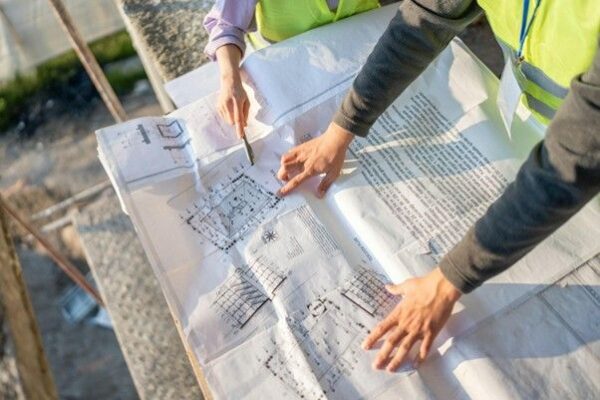
Construction contracts today are far more sophisticated than many people realize. Large commercial projects frequently involve multiple layered agreements covering timelines, material standards, subcontractor responsibilities, liability allocation, insurance obligations, payment schedules, dispute resolution procedures, and performance benchmarks.
The growing complexity of these agreements reflects broader changes across commercial industries. As projects become more expensive and schedules more compressed, businesses seek greater contractual clarity to reduce uncertainty.
Developers increasingly prioritize legal precision because even small ambiguities can create expensive disputes later. This is particularly important in projects involving phased development, mixed-use spaces, or multiple financing sources where legal obligations may overlap significantly.
Regulatory Compliance Continues Expanding
Commercial development is also shaped by evolving regulatory standards. Environmental requirements, workplace safety regulations, accessibility compliance, zoning restrictions, energy-efficiency mandates, and permitting procedures all influence project planning.
In many regions, regulatory expectations continue expanding as cities place greater emphasis on sustainability, infrastructure resilience, and public safety standards. For developers and property owners, staying compliant requires ongoing coordination between technical experts and legal professionals capable of interpreting changing requirements accurately.
Failure to address compliance issues early can lead to delays, redesign costs, financial penalties, or litigation that disrupts entire projects. As a result, legal preparation increasingly begins long before physical construction starts.
Legal Strategy Influences Long-Term Stability
One of the most overlooked aspects of commercial development is how legal strategy affects long-term operational success after construction is complete. Lease agreements, liability protections, vendor contracts, partnership structures, insurance coverage, and operational compliance all continue shaping the property long after opening day.
Developers increasingly recognize that legal planning is not simply reactive problem-solving. In many cases, it functions as part of broader business infrastructure designed to support stability, scalability, and long-term asset protection.
This shift reflects how commercial development itself has become more operationally integrated. Buildings are no longer viewed only as physical assets. They are ongoing business environments requiring coordinated legal, financial, and operational management over time.
Communication and Documentation Matter More Than Ever
Modern commercial projects generate enormous volumes of documentation. Emails, design revisions, approvals, inspections, contracts, payment records, compliance reports, and scheduling updates all contribute to the legal and operational structure of a project.
Clear communication between parties is essential because misunderstandings frequently become the source of disputes later. This has led many businesses to prioritize stronger documentation practices and more organized project coordination systems throughout development cycles.
In many cases, legal professionals play an important role not only in resolving disputes, but also in helping organizations establish processes that reduce confusion before problems arise. The emphasis increasingly centers on prevention rather than reaction.
Construction Law and Industry Oversight
Organizations connected to commercial construction and workplace standards continue emphasizing the importance of compliance, documentation, and risk management across modern development projects.
The Occupational Safety and Health Administration (OSHA) regularly highlights how clear safety standards, proper contractor coordination, and regulatory compliance contribute to safer and more stable construction environments. Industry guidance increasingly stresses the importance of accountability, communication, and operational planning throughout all phases of commercial development.
OSHA also notes that large construction projects often require coordinated oversight between multiple parties to maintain both legal compliance and workplace safety standards. These broader industry expectations reinforce how commercial development increasingly depends on strong organizational and legal infrastructure operating behind the scenes.
The Future of Commercial Development Will Require Greater Coordination
Commercial development is becoming more interconnected every year. Sustainability regulations, insurance requirements, labor challenges, financing structures, technological integration, and evolving legal standards continue increasing project complexity across the industry.
As a result, successful projects increasingly depend on coordination between construction professionals, financial planners, consultants, and legal advisors capable of managing interconnected risks effectively.
While architecture and design may remain the visible face of development, much of a project’s long-term success is often determined by the systems operating beneath the surface.
In modern commercial real estate, legal preparation is no longer simply a protective measure. Increasingly, it has become a core part of how successful projects are planned, executed, and sustained over time.
Feature Image Source: Ahmet Kurt on Unsplash




