









Commercial construction projects operate within a framework where risk is constant and often unavoidable. From structural challenges to contractual obligations, every decision carries potential consequences that can affect timelines, budgets, and long-term viability. Insurance and liability considerations play a central role in guiding these decisions, influencing how projects are planned, executed, and managed from start to finish.
As projects grow in scale and complexity, contractors and developers must account for a wide range of exposures. These include property damage, workplace incidents, delays, and legal disputes, all of which can have significant financial implications. Understanding how insurance and liability intersect with construction processes allows stakeholders to make more informed choices, reducing uncertainty and protecting both investments and reputations.
Assessing Risk Before Project Execution
Before construction begins, risk assessment is a critical step in shaping project strategy. This involves identifying potential challenges related to site conditions, design requirements, and operational logistics. Each of these factors carries its own level of risk, which must be evaluated in relation to available insurance coverage and liability exposure.
A thorough assessment allows project teams to anticipate issues and plan accordingly. By aligning risk evaluation with insurance policies, contractors can ensure that they are adequately protected against potential losses. This proactive approach reduces the likelihood of unexpected disruptions and creates a more stable foundation for project execution.
Structuring Contracts Around Liability
Contracts are one of the primary tools for managing liability in commercial construction. They define responsibilities, allocate risk, and establish procedures for handling unforeseen events. Clear contractual terms help prevent disputes by ensuring that all parties understand their obligations and the extent of their liability.
Incorporating liability considerations into contracts requires careful planning. Provisions related to indemnification, insurance requirements, and dispute resolution must be clearly outlined. This clarity not only protects individual stakeholders but also contributes to smoother project operations by reducing ambiguity and potential conflict.
The Influence of Insurance Coverage on Decision-Making
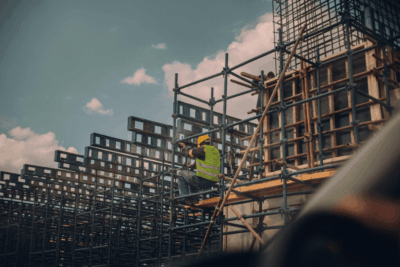
Image Source: Photo by Thatselby on Unsplash
Insurance coverage from https://www.einsurance.com/ directly impacts how construction decisions are made. The scope of a policy determines what risks are covered and what responsibilities remain with the contractor or developer. This influences choices related to materials, construction methods, and project timelines, as each decision carries different levels of exposure.
Engaging with legal firms such as Barger & Associates: Allstate insurance highlights how insurance considerations shape strategic planning. Understanding the relationship between policy coverage and project risk allows stakeholders to make decisions that align with both operational goals and financial protection.
Managing Claims and Minimizing Disruptions
Claims are an inevitable part of commercial construction, but how they are managed can significantly affect project outcomes. Efficient claims management requires prompt reporting, accurate documentation, and clear communication between all parties involved. Delays or missteps in this process can lead to increased costs and extended timelines.
Establishing structured procedures for handling claims helps minimize disruptions. By preparing for potential scenarios in advance, contractors can respond quickly and effectively when issues arise. This level of preparedness supports continuity and ensures that projects remain on track even in the face of challenges.
Balancing Cost, Coverage, and Risk Exposure
One of the key challenges in commercial construction is balancing the cost of insurance with the level of coverage required. While comprehensive policies provide greater protection, they also increase project expenses. Conversely, limited coverage may reduce upfront costs but expose stakeholders to greater financial risk.
Finding the right balance requires a detailed understanding of project-specific risks and financial constraints. By evaluating these factors carefully, contractors and developers can select coverage that aligns with their needs while maintaining control over costs. This balance is essential for ensuring both project feasibility and long-term stability.
Strengthening Long-Term Project Outcomes
Insurance and liability considerations extend beyond individual projects, influencing long-term business success. Contractors who effectively manage these factors are better positioned to build strong reputations, secure future work, and maintain financial stability. Consistent attention to risk management creates a foundation for sustainable growth.
As the commercial construction industry continues to evolve, the importance of insurance and liability will only increase. By integrating these considerations into every stage of decision-making, stakeholders can navigate complexity with greater confidence, ensuring that projects are completed successfully while protecting their long-term interests.
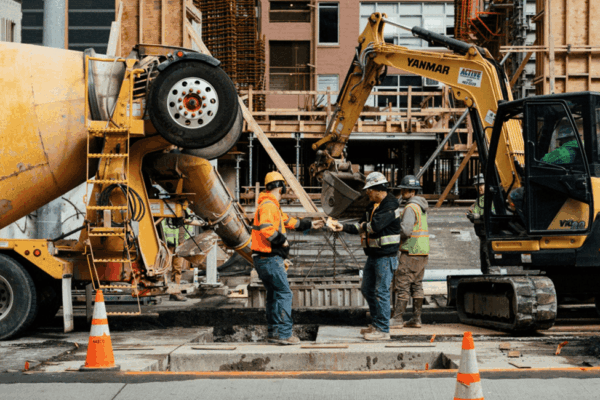
Feature Image Source: Photo by Remy Gieling on Unsplash






