








The grass may be dormant, the garden beds empty and the patio furniture tucked away for the season, but that doesn’t mean your backyard should be an afterthought. In fact, winter may be the best time to start thinking about what comes next.
While spring tends to get all the attention when it comes to landscaping and outdoor improvements, the colder months offer something homeowners rarely have once the weather warms up: time to plan. Whether you’re considering a few fresh plantings, a new patio or a complete backyard transformation, a little preparation now can make a big difference when spring arrives.
The TurfMutt Foundation, which advocates for the care and use of backyards, parks and other green spaces, encourages homeowners to look beyond the winter landscape and start envisioning how their outdoor spaces can better serve their lifestyles.
After all, a well-designed yard is more than a patch of grass and a few flower beds. It’s an extension of the home, offering opportunities to entertain, unwind, connect with nature and spend time with family and friends.
Making the most of your space requires understanding how it fits into your everyday life. What works? What doesn’t? And what changes could make it more inviting, functional and easier to maintain?
Winter provides the opportunity to answer those questions without the pressure of tackling everything at once. It also gives homeowners time to explore ideas, research options and make informed decisions before the busy spring season arrives.
The key is approaching your yard with a plan rather than a shopping list. Here are four ways to make the most of winter and set the stage for a more beautiful, functional outdoor space.
1. Think Beyond the Lawn
Before choosing plants, furniture or hardscaping materials, consider how you actually want to use your outdoor space.
Maybe your backyard needs a dedicated area where children can play without trampling the garden. Perhaps your dog could use more room to roam. Or maybe you’re ready to transform an underused corner into a quiet retreat where you can enjoy your morning coffee.
Outdoor living spaces work best when they’re designed around the people who use them. Think about creating distinct zones for entertaining, dining, relaxing, gardening and recreation. Consider how those areas connect and whether pathways, lighting or landscaping could make the space more accessible and inviting.
Take stock of what already works, too. A mature shade tree might become the centerpiece of a seating area. An overlooked side yard could offer room for a vegetable garden or a small outdoor workspace.
The goal isn’t necessarily to do more. It’s to make the space you already have work harder and smarter.
2. Get Ahead of the Spring Rush
A beautiful backyard doesn’t happen overnight, especially when larger improvements are involved.
Patios, pergolas, outdoor kitchens, firepits and other hardscaping projects require thoughtful design, budgeting and coordination. Waiting until the first warm weekend to start planning can mean competing with everyone else who suddenly has the same idea.
Winter offers an opportunity to establish priorities, research materials and determine how much you’re comfortable spending.
Start by separating must-have improvements from nice-to-have additions. Consider which projects will deliver the greatest immediate benefit and which can wait until another season. If your plans involve multiple phases, think about how each improvement will fit into the overall design.
This is also a good time to contact landscape architects, contractors and certified arborists. Request estimates, discuss timelines and review project requirements before schedules fill up.
For projects involving electrical work, drainage changes or permanent structures, check local permitting requirements and homeowners association guidelines early.
A little homework now can help prevent costly surprises later.
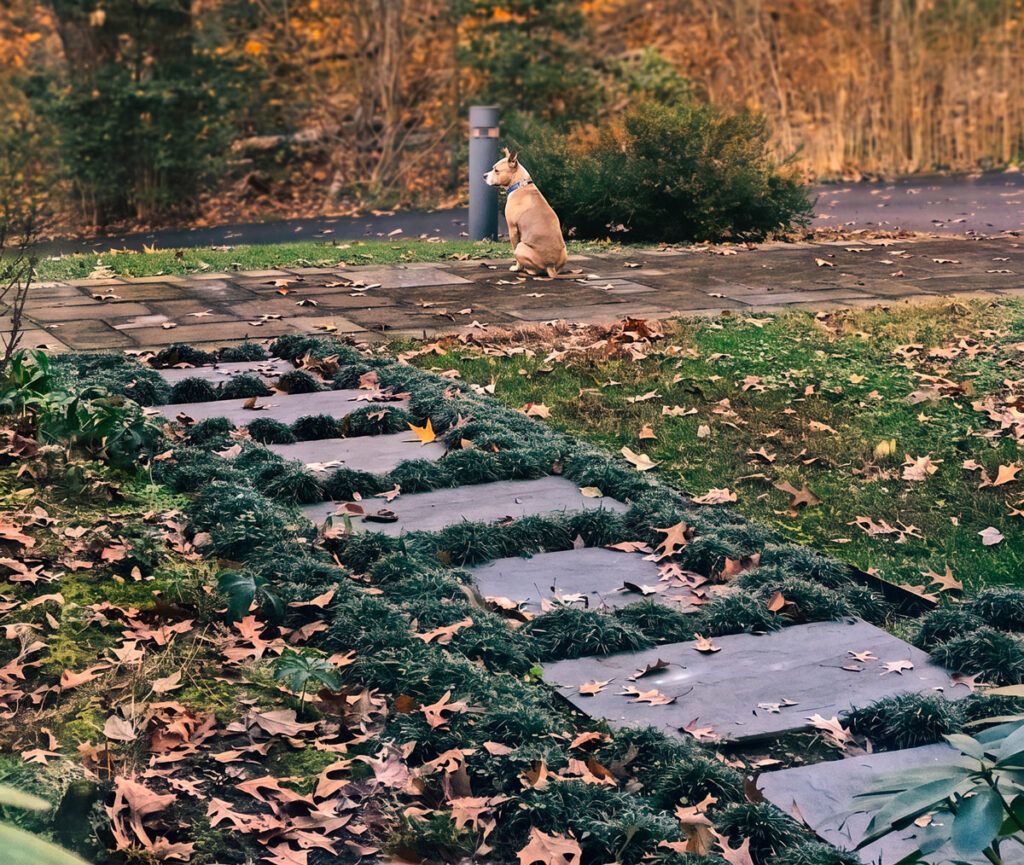 3. Choose Plants with a Purpose
It’s easy to get carried away at the garden center when spring flowers start appearing. Everything looks beautiful, everything seems like a good idea and suddenly your cart is full of plants that may not survive the summer.
Winter is the time to avoid that temptation by doing your research.
Start with the USDA Plant Hardiness Zone Map to identify plants suited to your region’s typical winter temperatures. Then look more closely at your property’s individual growing conditions.
Does one corner receive full afternoon sun while another stays shaded most of the day? Are there areas where water collects after heavy rain? Does the soil drain quickly or remain damp?
These details matter because even plants suited to your region may struggle in the wrong location.
Consider incorporating native plants, flowering perennials and shrubs that support pollinators while providing seasonal color and texture. A mix of evergreen and deciduous plants can also help maintain visual interest throughout the year.
Think long term. A small tree may look perfect near the patio today but create problems as its roots and canopy expand.
Creating a plant wish list now helps ensure every addition has a purpose.
4. Give Your Equipment a Head Start
Nothing puts a damper on the first beautiful spring weekend quite like a lawn mower that refuses to start.
Before the growing season arrives, take inventory of your outdoor power equipment and tools. Mowers, string trimmers, leaf blowers and other equipment may need cleaning, sharpening, maintenance or replacement parts.
Check manufacturer recommendations for servicing engines, batteries, filters and cutting blades. Inspect extension cords, hoses and hand tools for wear or damage.
If you’re considering new equipment, winter gives you time to compare options based on your property’s size, terrain and maintenance needs.
A larger yard may require a different mower, while mature trees and extensive landscaping could make pole pruners or other specialized tools worthwhile.
Proper preparation also means thinking about storage. Organizing tools and supplies now can make routine maintenance easier once the season gets underway.
Make Every Square Foot Count
Making the most of your outdoor space isn’t necessarily about spending more money or taking on bigger projects. It’s about making thoughtful decisions that improve how your yard looks, feels and functions throughout the year.
Whether you’re considering a complete landscape renovation or simply creating a more comfortable place to unwind, winter offers an opportunity to assess your needs, establish priorities and put a plan in motion.
After all, a little preparation during the quieter months can go a long way toward creating an outdoor space that’s ready for whatever the seasons bring.
For more outdoor living and landscaping tips, visit TurfMutt.com.






