





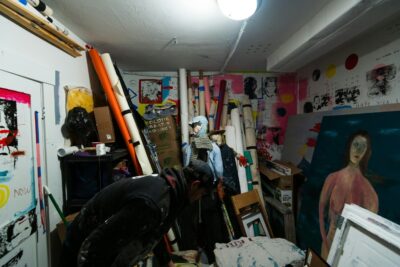
A study space often reflects daily habits. The way objects gather around a student can shape how well the mind handles new information.
As Yale News signifies, visual clutter alters how your brain receives and interprets information. Researchers at Yale University say that clutter alters information flow to the brain. Staring at other objects in a room, be it your phone, another book, or a person, can affect your focus on studies.
Many teens try to manage clutter on their own, though some families turn to professionals. Professional home organizing services ensure a room is decluttered to your specific needs. Experts would consider the room’s size, the number of things to declutter, and how easy it will be for you to maintain it, etc.
A room filled with random items can distract the eye, pulling focus away from material that deserves steady thought. A clean, predictable layout gives the brain fewer competing signals, which supports smoother thinking during lessons or homework.
Cognitive Load and Study Efficiency
Cognitive load refers to the amount of mental effort required to handle a task. A cluttered scene raises this load because the mind must continually separate useful cues from irrelevant ones. As a result, tasks that should feel simple may take longer.
A Psychology Today article indicates that clutter in the home can raise cortisol levels, and women experience stronger increases than men. This difference may stem from the larger share of mental labor many women handle.
It heightens their awareness of household demands. As a result, they often feel responsible for addressing the clutter, creating added pressure that amplifies stress responses.
Concentration slips more easily with such a load, and reading comprehension might drop because attention drifts toward nearby distractions. Students often assume they can “get used to the mess,” yet the brain continues processing every object within view. Repetition does not erase these effects; instead, it reinforces a cycle where slow progress becomes the norm.
How the Brain Responds to Competing Visual Input
Researchers often describe the brain as a system that filters signals before deciding which deserve attention. A SciTechDaily article says that the brain tends to highlight whatever a person focuses on, as shown by the cocktail party effect. An individual can focus on a single voice despite surrounding noise.
Dr. Eric Drebitz from the University of Bremen notes that the competing sounds aren’t actually softer. They simply feel less prominent because the brain directs its resources toward the chosen voice. Other sounds still register, but they receive less processing, allowing the main conversation to stand out.
When a desk is stacked with papers, gadgets, or unused materials, the visual system receives extra patterns and shapes to process. This extra load can slow down recognition, decision-making, and even recall.
A student may feel mentally tired sooner simply because the brain spends more energy sorting through scenes that lack clarity. Even small items can affect this process, since the eyes tend to scan a room without conscious intent.
According to Clutterless Home Solutions, decluttering can help solve the issue in multiple ways. For instance, it makes finding things easier for the brain. This helps save some time that would be wasted in finding items. This can reduce brain overload and reduce stressors.
Emotional Impact and Motivation
Cluttered space can have a direct and indirect impact on emotions and motivation. A crowded study area can create mild tension without the student fully noticing it. Visual noise signals unfinished tasks or mixed priorities, which can make study sessions feel heavier than they need to be.
This atmosphere may reduce motivation, especially during challenging topics. A calm and open desk helps the mind settle before tackling new material, making it easier to start and maintain momentum.
A Yahoo! article notes that living in a cluttered space triggers measurable biological and neurological stress responses, such as elevated cortisol levels. It interferes with the brain’s ability to process information and maintain a sense of control in a home environment.
Thus, people surrounded by clutter may feel anxious or overwhelmed because the constant visual and mental cues demand attention. This diminishes the brain’s reserve for other tasks.
Indirectly, a cluttered space can affect sleep, which can influence emotions. A Wiley Online Library study concludes that a single sleepless day of 24 hours can affect emotion regulation. Brain recordings showed higher P300 amplitudes after sleep deprivation, indicating heavier use of attentional resources during emotional conflict.
Designing a Supportive Study Space
Thoughtful setup of a study corner can support better processing. Clear surfaces, consistent storage places, and a simple color scheme keep the brain from shifting between too many stimuli. Good lighting further improves focus by reducing eye strain and helping the student zero in on the task.
Digital clutter also matters; a screen filled with icons or alerts can compete with printed notes or textbooks. Bringing physical and digital order together leads to an environment where the mind can devote more energy to understanding lessons rather than filtering distractions.
A study space also benefits from routines that keep it steady from day to day. Simple habits, such as returning supplies to the same spot or clearing the desk after each session, maintain a setting that supports clear thinking.
These actions reduce visual noise before it builds up and make it easier for students to sit down and start working without hesitation. Over time, the mind associates this consistent setup with focus, which can make study sessions feel smoother and more manageable.
Frequently Asked Questions
Does screen clutter have the same effect as physical clutter?
Screen clutter can interfere with thinking in a similar way, because the eyes react to every icon, window, and alert. A desktop filled with shortcuts or a phone buzzing nearby competes with schoolwork. Reducing digital distractions, such as clearing unused tabs or muting notifications, helps the brain follow one task at a time.
Can natural light help reduce the impact of visual clutter?
Natural light does not remove clutter, but it can help the mind manage tasks more smoothly. Bright, steady sunlight keeps the eyes from working too hard, which can reduce fatigue when dealing with dense material. If the area still has scattered items, the improved lighting at least makes it easier to distinguish what matters.
Are there emotional benefits to clearing a small part of a cluttered room?
Even if the entire room cannot be rearranged, clearing one section can bring a sense of calm. A small pocket of order gives the brain a predictable spot where it does not need to sort through competing items. This feeling of control can ease tension and support better study habits.
Visual clutter influences cognitive processing more than many students realize. Each stray object demands a small slice of attention, and these slices add up quickly. A neat study area creates room for sharper focus, stronger recall, and a smoother path through assignments. Thoughtful organization, whether done independently or with guidance, gives the brain the quiet backdrop it needs to work at its best.






