





Picture this: it’s a Tuesday evening in Tullamarine and you’ve just walked past the kitchen when a faint whiff of something like rotten eggs stops you mid-step. You sniff again. Nothing. You tell yourself it was probably the bin and go back to making dinner. Most homeowners have had a version of this moment, and most of them talk themselves out of it. That instinct to shrug things off is exactly why gas leaks go unnoticed for longer than they should. Learning to recognise the early warning signs and knowing when to call in a professional gas leak detection service, can be the difference between a quick fix and a genuine emergency.
Gas leaks aren’t always dramatic. They rarely announce themselves with a bang. More often they creep in quietly, through a loose fitting, an ageing pipe, or a corroded joint behind a wall, and the symptoms show up in ways that are easy to dismiss as something else entirely. Here’s what to actually pay attention to.
The Smell That Shouldn’t Be There
Natural gas is odourless on its own, so suppliers add a chemical called mercaptan, which smells like sulphur or rotten eggs, specifically so leaks are noticeable. If that smell turns up anywhere in or around your home, near the stove, the hot water unit, the meter, or along an external gas line, don’t wait to see if it fades. It won’t, and even a faint trace is worth investigating properly rather than assuming it’s food scraps or a drain issue. This is usually the first clue, and it’s the one most people catch, even if they don’t always act on it straight away.
Physical Symptoms That Point to a Leak
Sometimes the smell is subtle or masked by other household odours, but your body can pick up on exposure before your nose does. Headaches, dizziness, nausea, and fatigue that seem to lift once you leave the house and return once you’re back inside are a genuine red flag. So are unexplained respiratory issues, a tight chest, irritated eyes, or a persistent cough that has no obvious cause. These symptoms matter because they tend to worsen the longer a leak goes unattended, and low-level exposure over weeks can be just as damaging as a sudden spike. If more than one person in the house is feeling off in the same way, that’s not a coincidence worth ignoring.
Signs Around the House
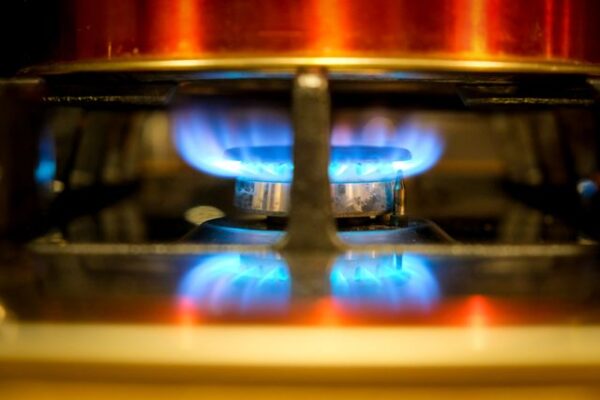
Beyond smell and symptoms, there are physical clues worth checking for. A hissing or whistling sound near a gas appliance or pipe, even a quiet one, usually means gas is escaping under pressure. Outdoors, patches of dead or dying vegetation near underground gas lines can indicate a leak has been seeping into the soil for some time. Indoors, keep an eye on your stove’s flame: a healthy burner flame should be blue, and if it’s turned yellow or orange, that can point to incomplete combustion linked to a gas supply problem. None of these signs are conclusive on their own, but together they build a pattern that shouldn’t be brushed aside.
The Bill That Keeps Climbing
Here’s a sign a lot of people overlook simply because it doesn’t feel urgent. If your gas bill has crept up noticeably without a change in usage, colder weather, or a new appliance to explain it, that increase could mean gas is escaping somewhere in the system rather than reaching your appliances efficiently. It’s easy to blame rising energy prices, and sometimes that really is the culprit. But if the numbers don’t add up against your actual usage, it’s worth having the system checked rather than assuming it’s just another price hike.
Why Acting Fast Matters
Gas leaks are dangerous for reasons beyond the physical symptoms already mentioned. Prolonged exposure carries real health risks, and a build-up of gas in an enclosed space creates a serious fire or explosion hazard. Leaks that go unrepaired for long stretches can also compromise the structural integrity of a home over time, particularly when pipework has corroded to the point of failure. None of this is meant to cause panic. It’s meant to explain why a musty smell or a slightly higher bill deserves a proper look rather than a mental shrug.
What to Do If You Suspect a Leak
If you notice any of these signs, the first move is simple: get everyone out of the house, avoid switching any electrical switches on or off, don’t light a match or use anything with a flame, and get in touch with your gas provider or an emergency service line straight away. Once the immediate risk is dealt with, the next step is a thorough inspection from a licensed plumber who can trace the source and fix it properly, rather than guessing based on symptoms alone.
This is where a company like Modern Plumbing Group earns its reputation. The Tullamarine-based, family-owned business carries VBA licensing and Master Plumbers Association of Australia membership, and it runs a 24/7 emergency response line for exactly these situations, whether it’s an active leak or a nagging suspicion that something isn’t quite right. Its technicians assess a property’s entire gas plumbing system rather than just the obvious suspects, with detailed reporting that pinpoints the actual source before any repair work begins. With more than 5,000 completed jobs behind it and a 4.9-star rating from over 146 Google reviews, Modern Plumbing Group has built the kind of track record that matters when the job involves something as serious as gas safety.
The bottom line is straightforward. Trust the smell, trust the symptoms, and trust the numbers on your gas bill. Gas leaks are rarely loud about their presence, but they leave a trail if you know where to look, and catching that trail early is what keeps a minor repair from turning into a genuine crisis.






