










Terry Lee Eggert’s life changed forever on a rainy day in 1972, thanks to a tire iron and a stranger in need. Just 22 and fresh out of the Army, he was running a modest 5,000-square-foot kitchen cabinet business when he spotted a motorist stranded alongside the highway in a vintage car.
After changing the tire in the pouring rain, the stranded motorist offered him $100. “I stopped out of kindness, not for a paycheck,” Eggert recalled.
Two weeks later, the stranger walked into Eggert’s shop. It was Edward J. DeBartolo Sr., then the world’s largest mall developer, carrying blueprints for 100 retail kiosks. When Eggert told him his shop was too small for the order, DeBartolo offered advice that would change his career: “You’re going to need a bigger shop. You, young man, are going to be my new vendor.”
Eggert quickly expanded into a 25,000-square-foot facility. DeBartolo later introduced him to fellow Akron native Sanford Ziff, who ordered 4,000 kiosks to fuel Sunglass Hut’s expansion. By 25, Eggert had purchased a 300,000-square-foot former Goodyear facility, employed 265 people and earned the nickname “Kiosk King,” generating $35 million annually.
Built on grit, manufacturing expertise and a simple act of kindness, Eggert’s entrepreneurial legacy continues through Genesis Global Inc., which he founded in 1970 and operates in Cartersville, Georgia.
Tell us a little about yourself.
I’ve been an entrepreneur from very early on in my life—from things like mowing yards and shoveling snow, to a paper route and playing in a band. Then I thought about how I could invent something that made lots of money.
My first invention was at 28, Reel EZ Putter, a novelty item that generated more than $1.4 million in sales. After cost, I made about 600,000. Then I invented a corn gripper, where I received a patent. It was a huge investment. I never considered packaging, molds and dies in stainless steel. After investing more than 100,000, I gave up.
My six other companies are GGI, WayMK, Data Group, Lifecycle Ventures, Container Retail Fabricators LLC and Bonfire.News — two of which I’m selling. That will bring me down to four. These are it for me — a workaholic. I strive for perfection.
What is your industry story?
My story is unique; most of my career I’ve dedicated my life to the architectural millwork and store fixture industry. Along the way, when I began making money, I invested in real estate, including the Portage Lakes areas near Akron, Ohio where I grew up. That was where Goodyear, Firestone, and Goodrich and Seiberling executives spent their weekends in the summer.
Over the years, people started to live out their full time. They fixed up these shack homes and cottages to become full-time residences. Because of the codes and history, one wall had to remain to keep its authenticity. Many would build new walls and then tear their old wall down as a last resort.
A friend of mine who lived on the lake near me, Joe Marsh, was a very successful entrepreneur in the entertainment industry. One day over cocktails we decided to open a new company. We bought up areas on the water or near the water with a view.
There wasn’t much for sale, so we had to figure out how to do it. I decided to go door-to-door and offer to buy their homes. We took care of the closing costs and cut a deal with an attorney.
I asked Joe how much we should budget and Joe said, “It depends on what we pay for each house.”
We agreed on a purchase budget of $300,000 and set our sights on the area we wanted to target. That weekend, I went door to door with a contract from our closing attorney in hand. Joe and I were supposed to meet Saturday evening at the Harbor Inn, our usual spot, but I was exhausted. I slept right through dinner and into the next morning.
Joe called to check on me. “You all right, Terry?”
“Yes, sir. But I walked my butt off covering the area we wanted.”
“Well, did you buy anything?”
“Yes, sir. But I walked my butt off covering the area we wanted.” “Well, did you buy anything?” “Yes, sir. You’re not going to believe this, but we own some cottages now. We’re going to call it Shoreview Bay in Portage Lakes.”
Joe loved the name. Then I told him we had gone a little over budget.
“How much?” he asked.
“About $200,000.”
“Yikes! How many did you buy, Terry?”
“That’s the good news, Joe. We bought 37 homes for $500,000.”
I told him I could back out of the deals if he wanted, but I had already sold one home for a small profit to Rod Smith, an Akron police officer and good friend of ours.
Joe couldn’t believe it. “Thirty-seven homes for $500,000? That’s a steal! When are you going out again?”
I figured we were finished. Joe had other ideas.
“No, we’re just getting started.”
And he was right. We eventually acquired about 60 homes, selling some and renting others. My company handled the design and construction work. About 10 years later, we sold the development to a group of investors and sold some of the homes directly to our renters.
Looking back, the craziest part is that I purchased those first homes in just two or three days. It was a wild ride, especially considering this was a side investment while we were busy selling fixtures and manufacturing them at our facility before 1990.
What inspired you to establish your company?
That’s a funny question. The truth is, we were making good money in the fixture business back in the 1970s and being single, we needed a tax break. Real estate seemed like a smart investment and a good opportunity to diversify.
 How has your founding mission evolved over time?
About 10 years later, we sold off our real estate holdings after realizing the rental market wasn’t for us. Looking back, building and selling would have been the better approach.
Fast forward more than 40 years to 2026, and I saw a greater need than ever. I founded Waymark Builders & Remodelers LLC and brought on three partners who shared my vision. We took our time getting started because we wanted to build the right team and establish a strong foundation.
Our mission today goes beyond construction. All three partners are Christians, guided by a shared commitment to serve the Lord, our communities and the people who place their trust in us.
We’ve also surrounded ourselves with faith-based Alliance Partners who support our commercial and residential projects. These relationships are important because our partners understand our mission and share our commitment to making it successful. Among them is an architect whose faith has guided his career and who served our community as an elected official for more than 25 years.
Our Alliance Partners are the foundation of our success, working together as one team with a shared mission and commitment to serving our communities.
Describe the signature style or characteristics that define your residential projects.
Our focus is to build unique, custom homes people can afford in a smaller square footage footprint on 3/4-acre or 1/3-acre lots. Sometimes they are larger. We do our best to accomplish their dreams.
Our primary market is building affordable homes for seniors and first-time buyers. We are a custom builder using alternative methods with 21st Century technology.
What types of residential projects do you specialize in?
Boutique and unique alternative homes such as Barndominiums, Quonset hut homes, and timber frame and custom homes for seniors and first-time buyers. We work with buyers who want unique homes and lifestyles that are more intimate. We also produce the same in commercial settings, where we use and repurpose materials whenever possible for accents in each project.
What market segment do you primarily serve?
We primarily serve the boutique custom home market, with a focus on alternative housing styles and innovative designs. Over the years, I’ve watched housing prices soar and construction costs continue to climb. Even when building costs stabilized, some builders maintained higher prices per square foot, making homeownership increasingly difficult for seniors and young families.
I began exploring alternative housing concepts, spending weekends researching designs and visiting barndominiums. I believed there had to be a better way to build quality homes at a more affordable price. That thinking led me to explore new construction methods, alternative structures and innovative housing concepts that could make homeownership more attainable for both younger and older buyers.
What has been your most challenging project to date?
Waymark is a relatively new company, but we face the same challenges as established GCs, particularly when it comes to finding and retaining skilled, dependable workers.
How did overcoming those challenges shape your approach to construction?
We’ve become smarter buyers and more resourceful when it comes to sourcing materials and subcontractors. You’d be surprised how many builders don’t shop around for better pricing on materials, plumbing, HVAC and other services.
Instead, they rely on the same suppliers and subcontractors they’ve always used. There’s nothing wrong with maintaining those relationships, but you have to stay on top of pricing to remain competitive and deliver the best value to your customers.
Can you share details about your favorite completed project and what made it particularly meaningful or successful?
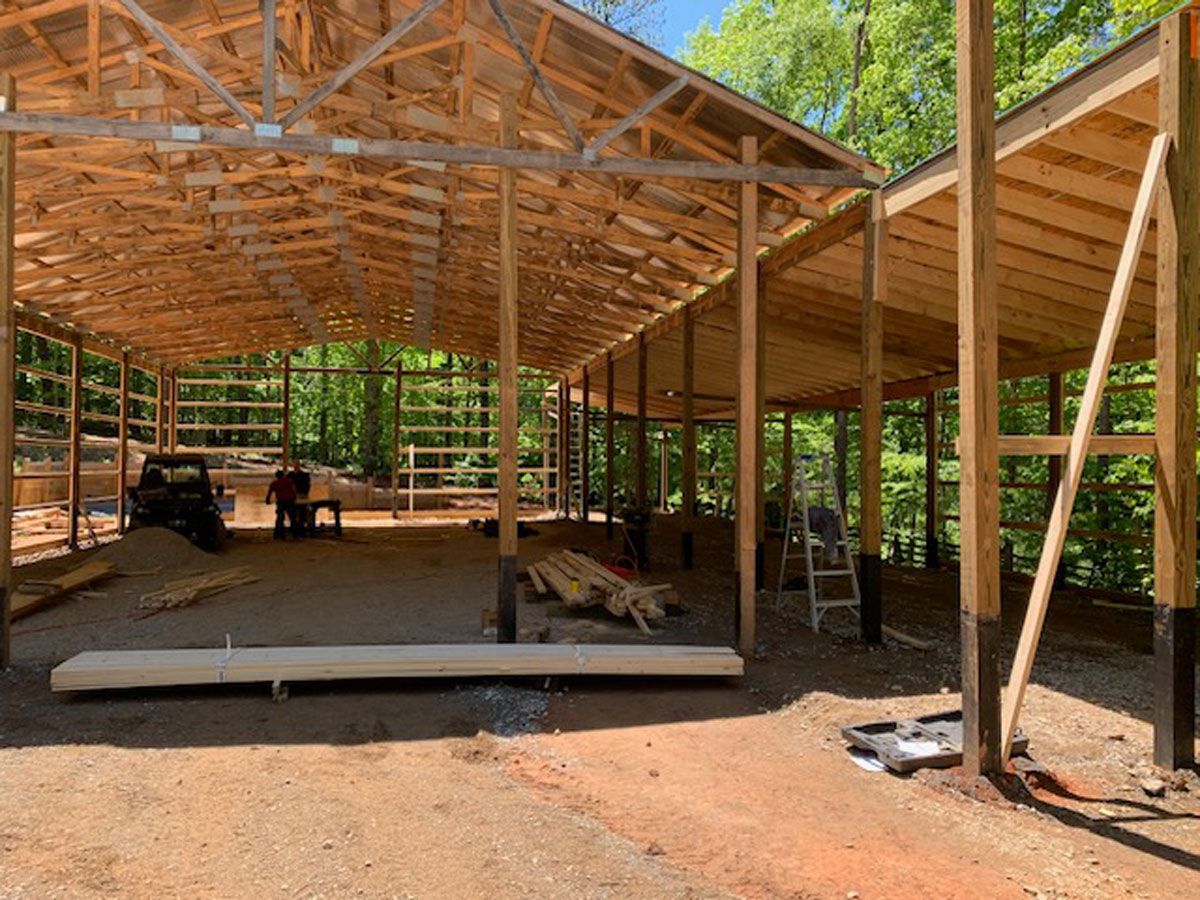
One of my most memorable projects began in 2016 on 6.2 acres of land I owned. I designed a 36-by-64-foot pole barn with 14-foot eave heights to serve as a woodworking shop, art studio and storage space for tractors, classic cars and other projects.
At the time, I had been renting space from a friend for more than 14 years. His business had grown tremendously and he needed more room, while I needed less. I decided to expand my barn with a 14-by-88-foot addition featuring three offices, a conference room and a customer sitting area with a large fireplace.
When we finished the offices, my wife looked around and said, “Terry, this is nice. We could live in this.”
That comment changed everything.
What started as a 2,304-square-foot workshop continued to grow. We added a second floor for offices and storage, extended the front to accommodate a three-car garage and expanded the living and bathroom areas. Before long, we had transformed a simple pole barn into a 7,300-square-foot barndominium.
It became a remarkable property, but it also taught me an expensive lesson: Stick to your original plan. Constantly expanding and modifying an existing structure costs more money and requires an enormous amount of time moving, removing and reworking things you’ve already built.
My advice? Never do what I did.
Despite the challenges, the finished project attracted tremendous interest. Eventually, a family fell in love with the property and wanted it so badly that we decided to sell. It was a rewarding experience and one that reinforced my interest in alternative housing concepts.
How do you integrate sustainable building practices into your construction process?
We believe sustainability begins with the philosophy to build it right, build it responsibly and build it to last for generations.
Our approach to Barndominium construction combines traditional craftsmanship with modern innovations and energy-efficient building practices. We emphasize thoughtful site planning, quality insulation, high-performance windows and durable materials that reduce long-term maintenance and operating costs.
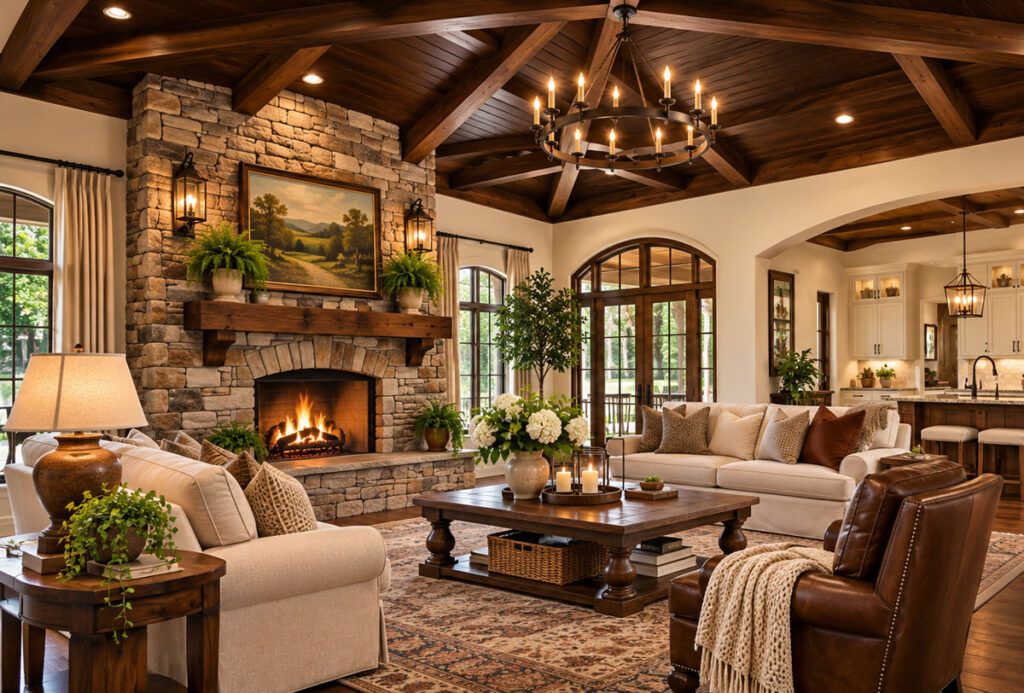
We also incorporate reclaimed timber, vintage brick, natural stone and other architectural materials that bring warmth, history and character to modern living spaces. Whenever possible, we work to preserve natural surroundings through responsible land development, drainage planning and erosion control.
Metal roofing and siding, timber-frame elements and carefully selected building systems provide lasting durability without sacrificing architectural character.
Ultimately, we believe the most sustainable home is one that’s thoughtfully designed, responsibly built and made to stand the test of time. We’re not simply building barndominiums. We’re creating distinctive homes, lasting value and legacies for the families who live in them.
Our mission says it best: “Guided by Faith. Forged by Character. Building Legacies.”
What specific eco-friendly innovations have you implemented?
We combine traditional craftsmanship with modern building technologies that improve energy efficiency, sustainability and long-term durability.
Our Barndominium designs emphasize high-performance insulation, energy-efficient windows and doors, advanced heating and cooling systems and durable metal roofing and siding that minimize maintenance and operating costs.
We also incorporate reclaimed and repurposed materials, including 1800s vintage brick, reclaimed timber and natural stone. These materials reduce the need for newly manufactured products while giving each home its own architectural character.
Flexible design is another priority. Open floor plans, vaulted ceilings and adaptable living spaces allow homes to evolve with changing family needs without extensive remodeling. We also explore modern framing systems, energy-efficient construction methods and water conservation solutions that deliver lasting value.
Our goal is to create homes that combine yesterday’s craftsmanship with today’s technology and tomorrow’s expectations. We believe meaningful innovation should make a home more comfortable, durable and economical to maintain for generations.
What sets your company apart from other residential product suppliers/contractors in your market?
Our leadership team brings 140 years of combined experience. We create distinctive, custom-designed barndominiums rather than cookie-cutter buildings, combining traditional Southern craftsmanship, modern building technology and personalized turnkey services.
Our foundation is faith, integrity, quality and lasting customer relationships. We’re not just building homes. We’re building legacies.
How do you balance client design preferences with structural integrity and building code requirements?
We believe great design must be supported by sound engineering and quality construction. We work closely with our clients, architects, engineers, and building professionals to bring creative ideas to life while meeting structural and local building code requirements.
Our philosophy is to never compromise safety or structural integrity for appearance. Beautiful design and quality construction should always work together.
What emerging trends in residential construction are you most excited about, and how are you incorporating them?
We’re particularly excited about the growing interest in timber-frame construction, innovative barndominiums and Quonset hut homes as an emerging affordable housing alternative.
We’re exploring ways to combine traditional post-and-beam craftsmanship with modern metal building systems, energy-efficient materials, and creative architectural designs. Our goal is to offer distinctive, durable, and affordable housing solutions without sacrificing character, quality or comfort.
We believe the future of residential construction combines yesterday’s craftsmanship with tomorrow’s innovation.
How do you approach collaboration with architects, designers and other professionals during your projects?
We believe successful projects begin with teamwork and open communication. We bring architects, designers, engineers and skilled craftsmen together early in the planning process to ensure creativity, functionality and structural integrity work hand in hand.
Our philosophy is to surround yourself with talented professionals, respect their expertise and work together to turn our customers’ dreams into reality.
What values drive your day-to-day operations? How do these translate into the final homes you deliver?
Our foundation is built on faith, integrity, honesty, quality craftsmanship and treating others as we would want to be treated. We believe our customers deserve transparency, personal attention and a commitment to excellence from concept through completion.
These values are reflected in every home we design and build.
What trends are you seeing in the residential construction market today?
We’re seeing a significant shift toward innovative, faster and more cost-effective construction methods, particularly Structural Insulated Panels (SIPs), timber-frame construction and advanced metal building systems.
SIPs offer excellent energy efficiency, faster installation, and reduced construction waste when properly designed and installed.
We’re exploring these technologies to deliver stronger, more energy-efficient, and affordable homes without compromising architectural character or quality.
We believe the future of homebuilding is working smarter, building better and delivering greater value to homeowners.
How are they shaping the industry?
Innovative construction methods such as Structural Insulated Panels (SIPs), timber framing and advanced metal building systems are reshaping the residential construction industry by improving energy efficiency, reducing construction time and potentially lowering building costs.
These advancements are creating opportunities for more affordable, durable, and customizable homes.
At Waymark, we believe innovation isn’t about changing how homes look, it’s about improving how they’re built while preserving quality, character and long-term value.
What are your goals for your company’s growth and impact on the residential construction industry?
Our vision is to position Waymark Builders & Remodelers as a leading fast-track design-build company throughout the Southeastern U.S.
By embracing innovative construction methods, including SIPs, timber framing and advanced metal building systems, we aim to shorten construction timelines, improve efficiency and make quality housing more affordable.
We plan to expand through strategic alliances with architects, manufacturers and skilled trade professionals.
Our goal is to build smarter, build faster, maintain exceptional quality and establish the Waymark brand as a trusted leader in residential construction throughout the Southeast.
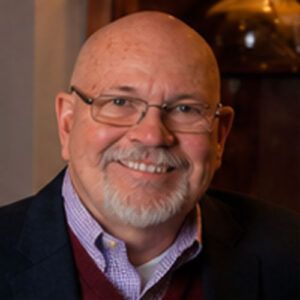 One-on-One with Terry Lee Eggert
Describe a typical day.
After more than 56 years in business and founding multiple companies, I’ve learned that true leadership is about building great teams, not managing every detail. I believe being a visionary is a gift from God.
The beauty of having trusted partners is empowering them to manage daily operations while I concentrate on vision, business development, and new opportunities.
It takes a leap of faith to entrust others with something you’ve created. I’ve been blessed with handpicked partners who share my values and work in unison.
I’m always available when they need me—and they know it. That’s the beauty of building a business around people you trust.
What’s the biggest item on your to-do list?
That’s a loaded question. On Jan. 24, Genesis Global Inc., my primary business, will celebrate 57 years. I still genuinely love what I do. Representing architectural millwork and store fixture manufacturers and helping clients find creative solutions remains both exciting and rewarding.
The other companies I’ve found are equally exciting. I’ve been blessed with exceptional partners who understand their businesses and manage daily operations.
At this stage of my life, one of my greatest pleasures is creating opportunities, mentoring talented people, and watching the businesses we’ve built together grow and prosper.
What’s the most rewarding part of your job?
After nearly 57 years in business, the greatest reward is building lasting relationships, earning the trust of our customers and watching the people I’ve mentored become successful.
There’s tremendous satisfaction in creating something from nothing and seeing it flourish.
I’ve always believed that success isn’t measured solely by what you earn, but by what you build, who you help, and the legacy you leave behind.
Best advice you ever received?
My grandfather once told me, “Always keep your manufacturing company separate from your marketing company.”
Twenty years later, that advice proved invaluable. When my manufacturing business was sold, the buyer acquired the inventory and equipment, but I retained my marketing company, which was generating approximately $35 million annually in sales.
The experience taught me to always listen to those who have walked the road before you. Sometimes the best advice doesn’t reveal its value until years later.
When faced with tough decisions in life, whether business or personal, always trust your gut instincts, regardless of the cost.
I nearly made two major mistakes that ultimately cost me over $100,000 combined to avoid. Looking back, it was the best $100,000 I ever spent.
Want to know what happened? Well, I guess you’ll have to buy my book, “Laughter and Life’s Journey,” or maybe someday watch it at the movies.






