








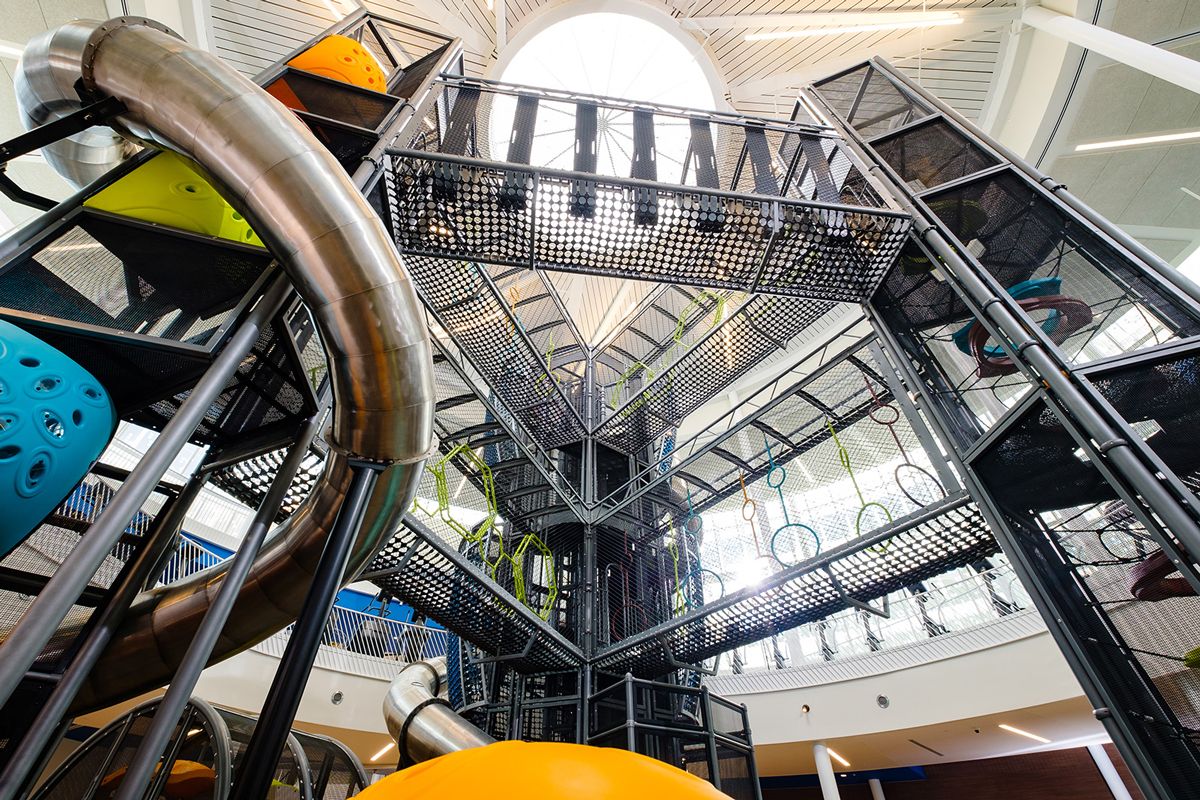
Across the country, a new generation of spaces is redefining recreational play, inviting not just children, but people of every age to move, connect and belong. This growing movement toward all-ages play is changing the landscape for developers looking to add value, attract families and foster stronger community connections.
Whether incorporated into mixed-use developments, community centers or retail destinations, play environments are increasingly being seen not as amenities, but as essential investments in community well-being.
And with an increasing demand for solutions that balance creativity, affordability and speed of installation, pre-designed playground systems are an efficient, scalable way to deliver meaningful play experiences for every generation.
The Rise of Multi-Age Play
Modern families are busier than ever. Between work, school and extracurricular activities, shared family time has become a premium commodity. As a result, the demand for spaces where families can play, relax and reconnect has surged.
Faith-based organizations, malls, mixed-use developments and community recreation centers are responding by creating environments that serve as destinations for the entire family.
This approach isn’t just about fun; it’s about wellness and quality time. Multi-age play environments provide opportunities for physical activity, social interaction and emotional development for users across generations. For children, these spaces promote gross motor skills, sensory engagement and cognitive growth.
These modern play environments are as developmental as they are dynamic, encouraging movement, sensory discovery, and problem-solving in young children, while offering teens a place to stay active, relieve stress and connect with others. The result is a thoughtfully designed playground experience where imaginative play zones meet bold, challenge-based features.
 The Power of Inclusive and Intentional Design
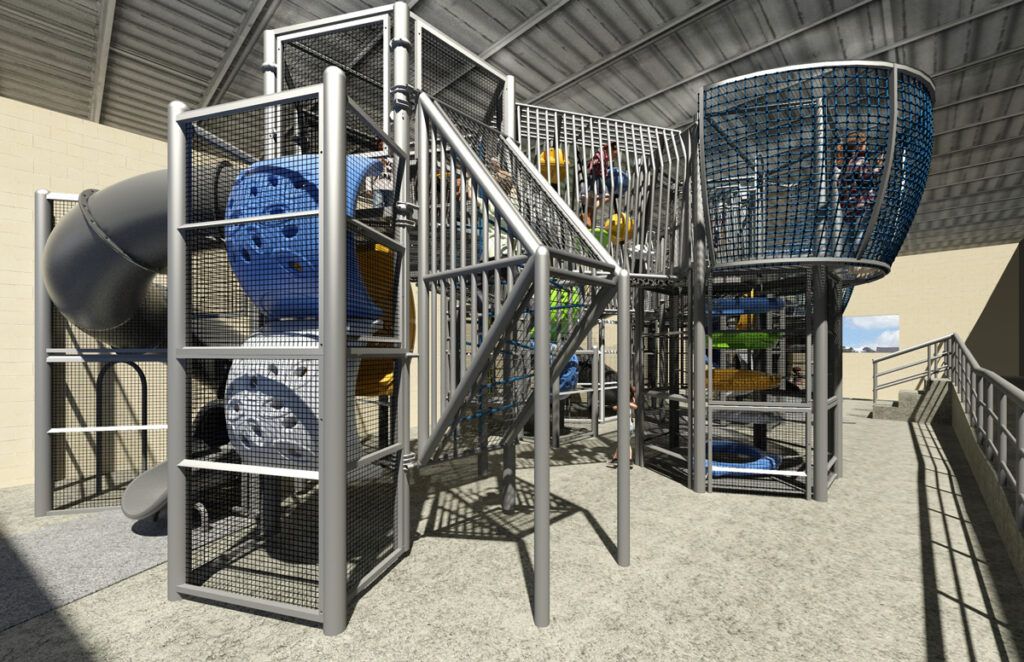
Creating multi-age play spaces isn’t simply about installing larger structures—it’s about designing for diverse developmental stages and interests. Play areas that balance challenge and safety help children build confidence while maintaining an appropriate level of risk.
Successful multi-age environments also incorporate separate but connected zones, such as toddler-friendly spaces alongside more advanced climbing or obstacle areas for older children. This allows families to play together while ensuring that each age group has its own area for exploration and growth.
The integration of sensory-based play features is another growing trend. These elements, from tactile panels to interactive sound and light features, support children with sensory processing differences while adding an extra layer of engagement for all users.
Balancing Vision, Budget and Timeline
For developers, integrating a playground or play area into a project often comes with challenges: balancing creative design goals with construction timelines, safety standards and cost considerations. In many projects, play spaces are among the last elements to be installed, meaning they must fit into tight project schedules without compromising quality or safety.
That’s where pre-designed play systems come into play. These systems are designed to streamline installation and simplify site coordination, offering pre-engineered configurations that can be tailored to a project’s footprint, audience and budget. Instead of starting from scratch, developers can choose from proven layouts that are adaptable to various site conditions, a benefit that saves time during both design and installation phases.
Because these systems are built on tested designs, they can reduce engineering costs, minimize permitting delays and accelerate overall project completion. Juggling multiple construction partners can be tedious for developers and this efficiency helps ensure that the playground doesn’t become a bottleneck in the final stages of delivery.
The Budget-Friendly Advantage
Pre-designed playgrounds not only save time, they also offer a more predictable cost structure. With standardized components and configurations, developers can better forecast expenses.
These systems often include pre-selected combinations of slides, climbers, interactive panels, and sensory play elements, creating comprehensive play experiences without the need for higher design fees associated with more custom builds. When working with tight budgets or managing multiple properties, this predictability is invaluable.
Moreover, many manufacturers now offer pre-designed scalability, allowing developers to start with a foundational structure and expand or enhance the play area over time. This staged approach makes it possible to phase investment strategically while keeping play environments fresh and engaging for returning visitors.
What to Look for in a Playground Partner
Choosing the right playground manufacturer or partner is one of the most important decisions in the development process. A strong partner can help guide the project from initial concept through installation, acting as a consultant, collaborator and compliance expert all in one.
A turnkey provider simplifies the process by managing key steps, such as:
- Design Consultation – Helping developers select the right layout and play mix based on site, user demographics and goals.
- Permitting Support – Navigating local regulations, safety standards and accessibility codes to ensure full compliance.
- Installation Coordination – Overseeing site preparation and installation to minimize disruption and reduce costly delays.
When evaluating potential partners, developers should also look for manufacturers that prioritize the following:
- Inclusivity – Modern playgrounds should welcome children of all abilities. Seek out suppliers that specialize in inclusive design and offer elements supporting diverse physical, cognitive and sensory needs. Inclusive play equipment ensures that every child—regardless of ability—can participate meaningfully.
- Safety & Visibility – Equipment should meet or exceed industry safety standards and layouts should provide clear sightlines for parents and caregivers. This helps ensure that all ages can share the same space safely.
- Theming & Engagement – Thoughtful theming can dramatically elevate a play environment. Whether inspired by nature, technology, or adventure, cohesive themes add personality and engagement—appealing to a wider audience and encouraging repeat visits.
 The Future of Multi-Age Play
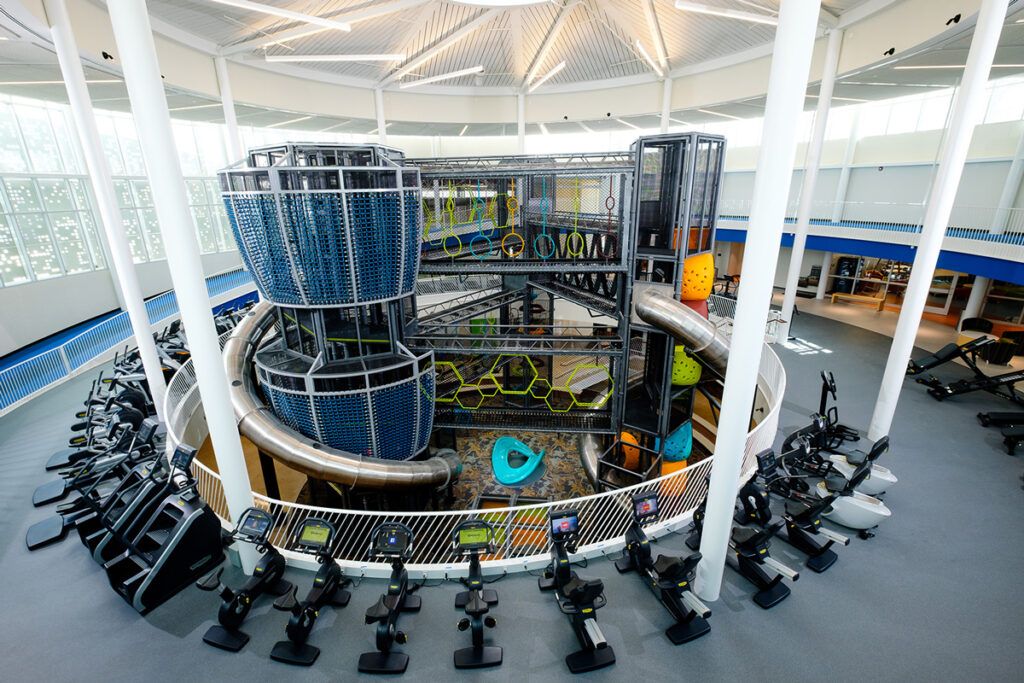
The future of playground design lies in adaptability. As design technology advances, more playground systems are being created with upgradable components, allowing operators to refresh the experience without replacing the entire structure. This approach not only reduces lifecycle costs but also helps communities evolve their play offerings alongside changing demographics and trends.
The next decade will also likely see greater integration between physical and digital play. Interactive play panels and gamified features are already blending technology with movement, appealing to older children who crave challenge and engagement in new ways.
Ultimately, the goal is to create environments that bring communities together, spaces that encourage healthy activity, creative exploration and intergenerational connection.
When it comes to developing and planning a playground, incorporating play into a project isn’t just a design choice; it’s a statement about community values. Play spaces draw families, drive foot traffic and help transform developments into true destinations.
By partnering with manufacturers that offer pre-designed and inclusive solutions, developers can deliver these benefits efficiently and affordably, without sacrificing creativity or quality.
As communities continue to evolve, one thing remains constant: the need for connection. Thoughtfully designed play environments can bridge generations, strengthen relationships and create lasting value for the people who live, work and gather there. In today’s fast-paced world, that’s not just a design advantage, it’s a community imperative.
Rich Albright is VP and GM of Soft Play, a global leader in immersive indoor, outdoor, and waterplay environments. At Soft Play, a PlayPower brand, he oversees the creation of customized, imaginative play experiences—from sculpted structures to gamified environments—that inspire creativity and build brand loyalty. With over 20 years of sales and leadership experience, Rich has led high-performing teams and driven business growth across multiple industries.






