








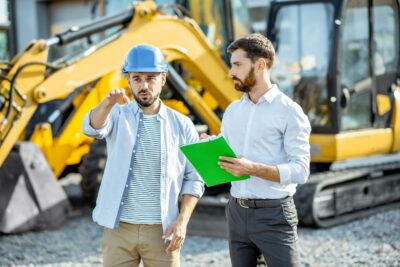
Construction projects depend on a million moving parts: labor, materials, and machines all need to be in the right place at the right time. And of all these factors, equipment availability is one of the most critical – and yet often overlooked – drivers of project efficiency. When you’ve got the right machines on hand when you need them, projects just seem to hum along. But when they’re not, delays pile up, costs spiral out of control, and productivity tanks.
As projects get more and more equipment-intensive, contractors need to start treating equipment availability as a top priority – not just some afterthought to chuck in the back of the planning room.
Equipment Availability and Productivity
Construction productivity is basically all about how well your equipment is performing, and when it’s available. Having the right gear on site lets crews get to work and keeps them working smoothly. But if you’re short on equipment, progress slows, work gets harder, and your whole team ends up working less efficiently.
Equipment condition, who’s driving it, and how well you’ve planned for it all matter. Even if you’ve got the most skilled crew in the business, they’re not going to be able to keep productivity up without the right equipment on hand.
Many contractors now use online directories such as Quotor to compare equipment options and identify available machines in their region before projects begin. Access to real-time supplier information helps reduce uncertainty and improves scheduling accuracy.
The Cost of Equipment Delays
Equipment shortages or late deliveries can spin even the best-laid plans off track in a heartbeat. And when machines don’t show up on time, contractors usually find themselves shelling out extra for overtime labor and watching their project timelines stretch out.
Equipment downtime is especially problematic. When machines go down or are out of commission, crews can either just sit and wait or start taking on other work, which just slows things down even more and costs even more money.
Equipment not being used to its full potential can really cut down on productivity and leave workers twiddling their thumbs. That adds up fast on a big project, turning what might have been a minor delay into a major budget headache.
Equipment Utilization and Project Flow
Construction projects are all about keeping a bunch of different pieces working together in harmony. For instance, with earthmoving work, you need an excavator, some trucks, and compaction gear to all be on the same page. But if one of those machines is missing in action, the whole operation starts to sputter.
Using your equipment wisely is the key to making sure projects keep rolling without any major hiccups:
- They just keep moving along without interruptions\
- Crews stay busy and productive\
- Schedules stay on track\
- Resources get used up in a way that makes sense
But more often than not, poor equipment planning means you’re left with idle machines some of the time and equipment shortages at others.
Maintenance & Reliability
Equipment availability isn’t just about how many machines you’ve got in your fleet – it’s also about how well they’re taken care of. Machines that are poorly maintained are basically just ticking time bombs, just waiting to break down and cause more delays and headaches.
Regular maintenance programs, on the other hand, help make sure equipment’s available when it’s needed most. It reduces the risk of breakdowns and keeps projects running smoothly, on schedule.
Equipment that’s reliable also helps keep production at a steady level and minimizes the need for costly rework.
Rental Availability & Flexibility
Many contractors rely on renting equipment to help them out when they need a bit more muscle. It lets them scale up their operations without having to sink a ton of cash into buying more gear.
However, equipment rental availability can be just as unpredictable as anything else in construction – it depends on:
- Where you are in the country\
- What time of year it is\
- What kind of gear you need\
- The state of the supply chain
When rental equipment is unavailable, contractors may need to search across multiple suppliers to locate suitable machines. Platforms like Quotor’s equipment hire directory help contractors identify available equipment and compare supplier options more efficiently.
When suitable equipment is secured early, projects are more likely to remain on schedule and within budget.
Planning for Equipment Availability
The smartest contractors make equipment planning a core part of their projects from the very start.
Some of the best practices include:
Scheduling equipment early
Reserve the key machines you need well before the project kickoff.
Fleet utilization planning
Make sure you’ve got the right gear for the job and that it’s all being used as efficiently as possible.
Backup equipment strategies
Have some plan B in place in case things don’t go according to schedule.
Maintenance scheduling
Get a head start on maintenance before the project really heats up.
Supplier coordination
Build relationships with reliable equipment suppliers to keep things running smoothly.
Planning ahead for equipment makes all the difference in the world – it cuts down uncertainty and helps you end up with a project that’s delivered efficiently and on time.
The Bottom Line
Equipment availability is one of the key drivers of construction project efficiency. When you’ve got the right machines on hand when you need them, your crews can stay productive, keep costs under control, and meet their deadlines.
As construction projects get tighter and tighter and projects more and more complicated, equipment planning’s becoming a major strategic advantage. Contractors who put equipment availability at the top of their priority list are better positioned to deliver projects on time, to budget, and with a high level of quality.






