









My career in the electrical industry began in 1982 as an IBEW Apprentice in Baton Rouge, Louisiana. After learning the trade and earning my Journeyman Wireman certification, I joined Rosendin Electric in 1992. Over the past three decades, I’ve moved through various positions, earning the role of Senior VP of Field Operations.
Throughout this journey, I’ve witnessed the construction industry evolve through technological revolutions and economic cycles, while the core need for skilled craftspeople has remained constant.
The construction industry now faces a critical workforce shortage, with 94% of construction firms reporting difficulty finding workers to hire, according to the “2024 Workforce Survey” by the Associated General Contractors of America (AGC). This shortage threatens our ability to build essential infrastructure and meet construction demands across the country.
The problem stems from multiple factors: an aging workforce approaching retirement, fewer young people considering trades careers and education systems that prioritize four-year degrees over skilled trades. To address this challenge, The Rosendin Foundation’s Camp Build™ education program directly engages students before misconceptions about construction and blue collar careers take root.
Rosendin’s TRF Camp Build™ Education Program
The Rosendin Foundation, a 501(c)(3) non-profit organization established by Rosendin Electric, Inc., focuses on positively impacting communities through programs that support emotional, nutritional and occupational health. As part of its mission to develop the next generation of construction workers, the Foundation created TRF Camp Build™ to address the industry’s critical workforce shortage.
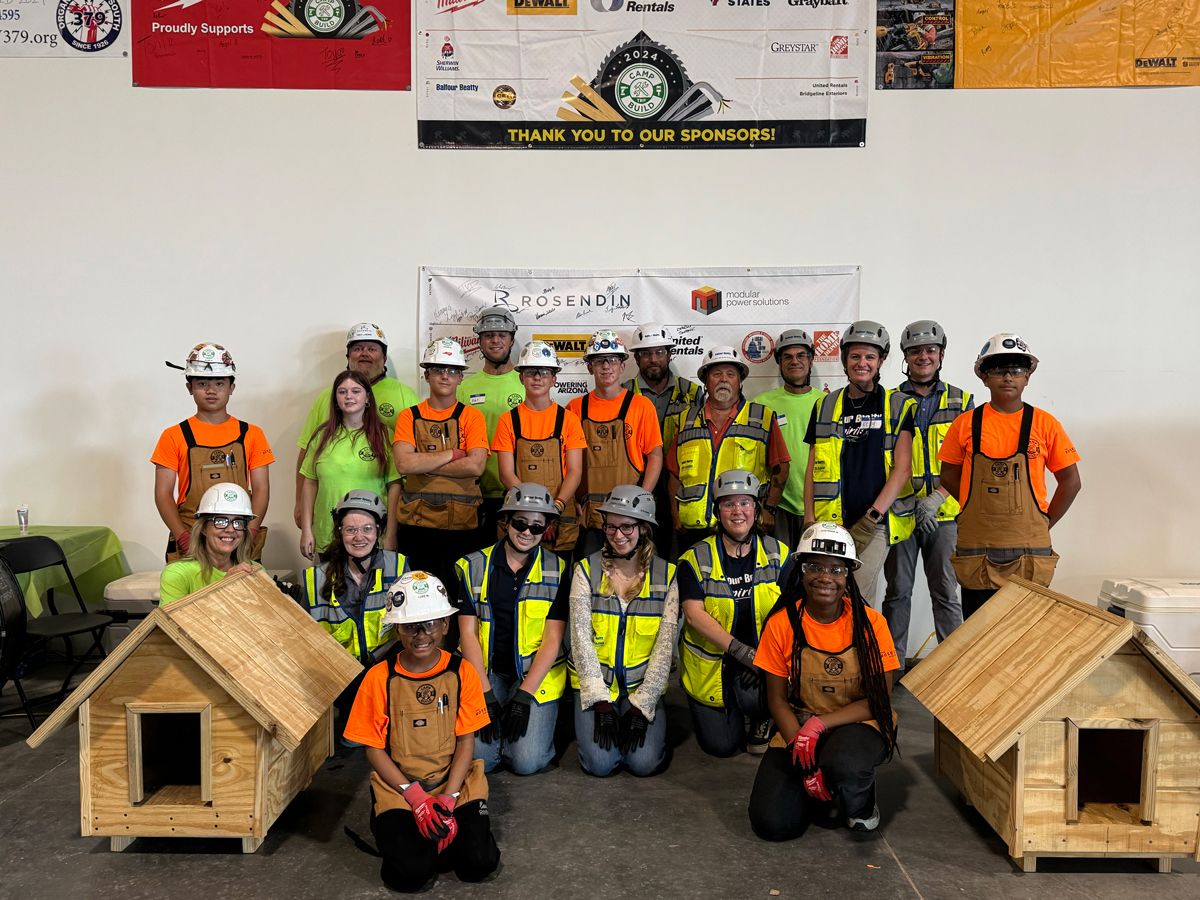
The TRF Camp Build™ education program completed its third year in 2025 with a mission of building the next generation of construction workers. This summer, the program reached 91 middle school and high school students across five cities, teaching them construction skills through instructor-led projects, empowering them in safe tool operation and introducing them to career paths they might never have considered otherwise.
Research shows career perceptions form between 6th and 8th grade. By reaching students at this critical age, the program opens their eyes to construction career paths before they select high school courses that determine their future options.
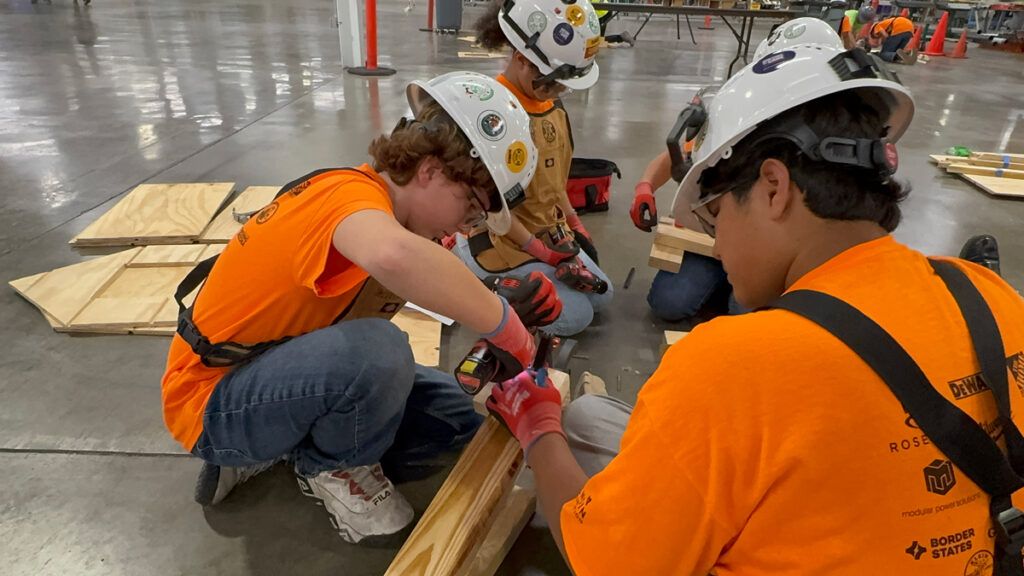
Each program’s session transforms complete beginners into budding builders. Students progress from never having held tools to completing functional projects they can take home or donate to community organizations. The daily curriculum balances skill development with career exploration, giving students both practical abilities and industry knowledge.
 What Students Learn
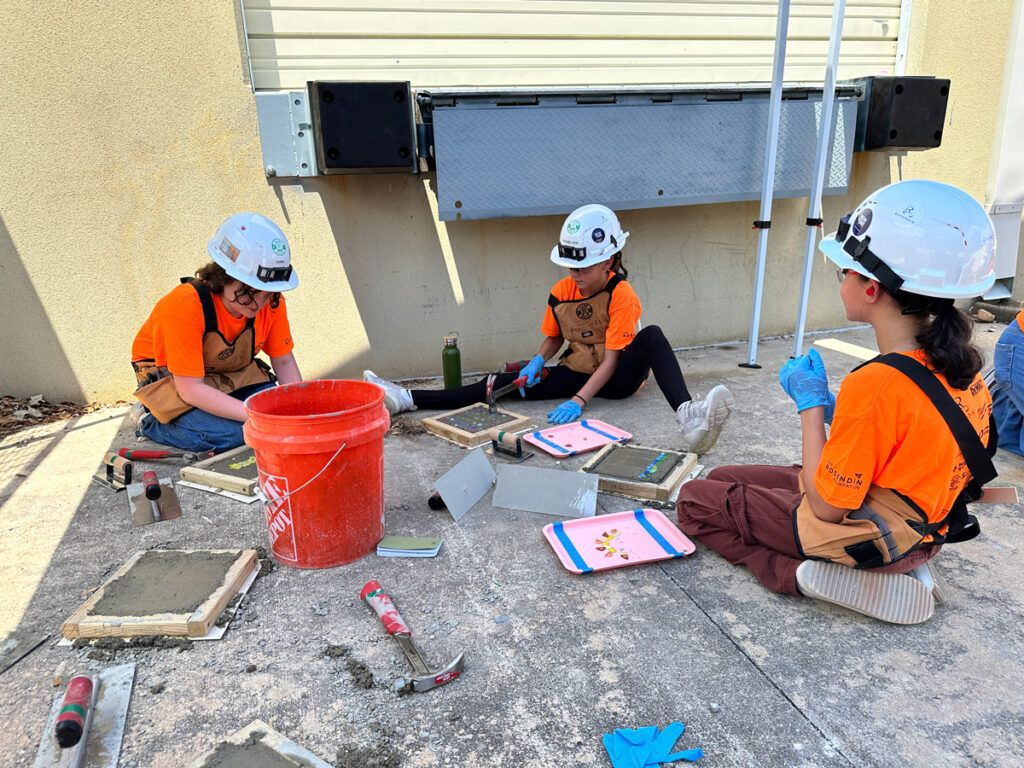
The curriculum covers essential construction skills across multiple trades. Students master basic electrical wiring, welding techniques, concrete pouring, conduit bending and woodworking fundamentals. These hands-on activities connect directly to future career opportunities in the construction industry.
Industry experts from Rosendin and its partners in various trades volunteer their time to teach specialized skills, sharing real-world applications and career insights that textbooks cannot provide.
On day one, many students struggle to identify basic tools. By the end, these same students confidently operate power equipment, read simple blueprints and complete multi-step construction processes. This rapid skill development demonstrates the effectiveness of the program’s hands-on approach with middle school learners.
Beyond technical skills, students learn workplace safety protocols, proper tool handling, and personal protective equipment use. These safety habits form the foundation for professional work practices that will serve them throughout their lives. The program emphasizes that safety represents the most important aspect of construction work, establishing this priority early in their development.
TRF Camp Build™ also introduces students to cutting-edge construction technology. Using building information modeling (BIM) software and virtual reality headsets, students explore how digital tools transform modern construction projects. This technology component helps students see construction as an advanced, innovative field rather than just manual labor.
Building the Next Generation
Rosendin’s 2025 program included 51 boys and 40 girls, reflecting a commitment to building a diverse construction workforce. The program ran for 21 days across five cities: Austin, Texas; Sterling, Virginia; Huntersville, North Carolina; Commerce, California; and McKinney, Texas.
TRF Camp Build™ actively works to change perceptions about who belongs in construction. Instructors include male and female construction professionals from various backgrounds, cultures and ethnicities, providing visible role models for all participants. This representation matters particularly for students who might not otherwise see people like themselves in construction careers.
Rosendin’s program creates tangible results. Students built functional lamps with proper wiring, constructed dog houses donated to animal shelters, poured concrete stepping stones, and completed other projects that demonstrate real-world applications of their new skills. These completed projects provide immediate feedback and build confidence that theoretical classroom learning rarely achieves.
Industry Support for Workforce Development
Rosendin’s 2025 program received support from 57 organizations that contributed over $108,500 in materials, tools and expertise. Milwaukee Tool, DEWALT and Klein Tools provided professional-grade starter kits for each student to take home, ensuring they could continue developing skills beyond the program.
TRF also partnered with local IBEW union halls, who opened training facilities, giving students access to equipment and instruction normally reserved for electrical apprentices. IBEW instructors also volunteered their time to teach specialized electrical skills, demonstrating the industry’s commitment to knowledge transfer.
TRF Camp Build’s™ industry partners recognize that workforce development requires long-term investment. Rather than seeking immediate returns, these companies understand that today’s middle schoolers represent the workforce of 2030 and beyond. Their support reflects strategic thinking about industry sustainability.
Career Pathways
Throughout the program, students meet professionals from various construction disciplines. These role models share their career journeys, from apprenticeship to leadership positions, helping students envision their own potential paths in the industry.
Each day includes structured reflection time where students connect their hands-on activities to potential career paths. They discuss how the skills they practiced apply to different construction specialties and explore the educational pathways leading to various industry roles. This career guidance component helps students envision themselves in construction professions.
Students learn that modern construction offers diverse career options beyond traditional roles. They meet project managers, estimators, designers, safety professionals and business owners, all with roots in skilled trades. This exposure helps students understand the possible career opportunities within the construction industry.
TRF Camp Build™ emphasizes that construction careers offer excellent wages, job security and advancement opportunities, whether they choose to go to college or enter the workforce after high school graduation. This message counters the prevailing narrative that college represents the only path to success. Students also learn about apprenticeship programs that provide paid training and clear advancement pathways, without having to incur student debt.
Rosendin’s free camp also addresses common misconceptions about construction work. Students learn that modern construction sites utilize advanced technology, require critical thinking skills and offer varied work environments. This updated perspective helps them see construction as an intellectually engaging career option.
 Measuring Success
The success of TRF Camp Build™ is evident in the immediate transformation of students during the camp week. Students who begin with little to no experience using tools develop measurable skills in electrical wiring, woodworking, concrete pouring and other construction fundamentals by the end of the program.
The tangible projects completed by students generate excitement and pride that extends beyond the camp itself. Students beam with accomplishment when showing parents their finished projects, while parents are excited for their children to learn new skills that can benefit them in the future.
Many students who never used tools before camp proudly demonstrate new abilities by week’s end. Volunteers find the experience equally rewarding, seeing reflections of their younger selves in the students and feeling reinvigorated in their careers after witnessing the students’ excitement and rapid progress.
These construction camps serve as a cornerstone in Rosendin’s broader plan to educate the public about the industry’s evolution. Students and parents witness firsthand how modern construction incorporates advanced technology, problem-solving and creativity. By highlighting diverse career opportunities, these experiences present construction as an industry with multiple pathways for advancement and professional growth.
Expanding the Model
TRF Camp Build™ will continue in its established locations in 2026, with plans to expand to additional cities in the coming years. This growth strategy aims to reach more students across diverse communities, introducing them to construction career possibilities before they make educational decisions that could limit their options.
As the program expands, organizers will continue refining the curriculum to reflect evolving industry needs and technologies. This includes creating more advanced tracks for returning students who want to build on their foundational skills and explore specialized areas within construction.
The success of these efforts demonstrates that early exposure to construction careers creates a lasting impact. By engaging young people before they form career perceptions, we build a pipeline of skilled, passionate professionals ready to enter the construction industry.
The tools and technology may change, but the fundamental need remains constant: skilled people building our world. By investing in students today, we secure the workforce that will build tomorrow.
Dave Elkins is Senior VP of Field Operations at Rosendin.






