











When undertaking a renovation project, homeowners typically focus on visible aesthetics such as cabinetry, flooring, and paint colors. However, strategic investments within the walls and under the floors, specifically in the plumbing system, can yield substantial returns in both daily comfort and long-term property value. Modernizing a home plumbing infrastructure can address latent functionality, enhance efficiency, and appeal directly to the discerning eyes of future buyers, making it a cornerstone of a truly valuable renovation. While cosmetic updates may attract initial interest, reliable and upgraded plumbing can provide the peace of mind that sustains a home market appeal.
The following outlines key plumbing enhancements that are widely recognized for adding tangible value to residential properties:
Installation of Low-Flow and Water-Efficient Fixtures
Water conservation has evolved from a niche concern to a mainstream priority, driven by both environmental awareness and the desire to reduce utility expenses. Upgrading standard fixtures to low-flow alternatives represents a cost-effective upgrade with immediate and lasting benefits. Contemporary low-flow toilets, showerheads, and faucets utilize advanced engineering, such as pressure compensation and aerated spray, to provide satisfactory performance while using significantly less water.
A Water Sense-labeled toilet, for instance, uses as little as 1.28 gallons per flush compared to older models that may use between 3.5 to 7 gallons. This translates into substantial annual savings on water bills; a selling point easily quantified for prospective buyers. Beyond fixtures, it’s best to consider upgrading to a tankless or on-demand water heater, which eliminates the standby energy loss associated with traditional storage tanks, providing endless hot water while improving overall home efficiency.
However, the integration of these systems should always be performed by licensed professionals to ensure safety, compliance with local codes, and long-term reliability. Hence, for comprehensive installation and maintenance, homeowners frequently rely on experienced residential plumbing services to execute such an upgrade flawlessly.
Replacement of Old Pipes and Plumbing Materials
A home’s hidden plumbing network is its circulatory system, and outdated materials pose a significant risk. Properties built before the 1990s may contain galvanized steel or polybutylene pipes, which are prone to corrosion, scaling, and eventual failure. Modern replacements, such as cross-linked polyethylene (PEX) or copper, offer superior durability, resistance to scale buildup, and fewer joints, which minimizes leak potential.
Proactively repiping a home, though invasive, can be a powerful value-added upgrade. It can help remove a major negotiable item from inspection reports, assure buyers of decades of trouble-free service, and often improve water pressure and quality. Documenting this upgrade with before-and-after photos and warranty information can provide concrete evidence of the home’s improved condition, directly enhancing its appraised value and marketability.
Addition of a Secondary Bathroom or Powder Room
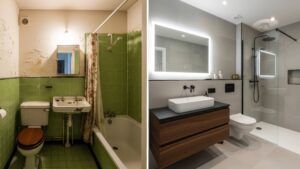
The adage in real estate regarding bathrooms and bedrooms holds true: adding a functional bathroom almost invariably increases a home’s value at a rate that meets or exceeds the project’s cost. Even in limited spaces, converting an underutilized closet or section of a larger room into a well-appointed powder room (half-bath) can dramatically improve the functionality of a main floor. For larger renovations, adding a full bathroom to a basement conversion or primary suite can create immense appeal.
The key is thoughtful design and quality finishes that align with the home’s overall aesthetic. Features like a comfort-height toilet, vanity with ample storage, and elegant fixtures can transform a utilitarian space into a luxury amenity.
Integration of Smart Plumbing Technology
The smart home revolution extends comprehensively into plumbing, offering convenience, leak prevention, and resource management. Installing smart water leak detectors under sinks, near water heaters, and at main supply points can provide real-time alerts to a smartphone, potentially preventing catastrophic water damage. Smart irrigation controllers can optimize outdoor water use based on weather data.
Additionally, Wi-Fi-enabled water heaters and whole-home water monitoring systems allow for precise control and usage analysis, identifying anomalies that may indicate a running toilet or a dripping faucet. These technologies can present a home as modern, proactive, and managed with care.
Upgrading to a Modern, Efficient Water Heater
The water heater is a workhorse appliance, and its age and type are scrutinized during home inspections. Replacing an old, inefficient unit is a compelling upgrade. As noted, tankless water heaters are excellent for efficiency and space savings, but a high-efficiency tank-style model with superior insulation may be a better fit for some households.
Hybrid heat pump water heaters represent another cutting-edge option, using ambient air to heat water and operating with exceptional efficiency, albeit with specific installation requirements. Highlighting a new, warrantied water heater can assure buyers of a major system in prime condition, eliminating a foreseeable replacement cost and boosting the home’s operational efficiency profile.
Enhancing Kitchens with Premium Plumbing Fixtures and Features
The kitchen remains at the heart of the home, and plumbing upgrades here offer a high visual and functional return. Installing a professional-grade faucet with a pull-down sprayer, touchless activation, or pot-filler faucet above the stove can introduce a layer of sophistication and utility. Adding a dedicated filtration system for drinking water at the sink or an instant hot water dispenser are also valued at convenience.
For larger-scale renovations, incorporating a secondary prep sink or a larger, deeper primary sink with a sound-dampening undercoating can enhance workflow and user experience. These features, while sometimes perceived as luxuries, become defining elements that differentiate a renovated kitchen from a merely updated one.
Key Takeaway
Plumbing upgrades form a critical, though often unseen, component of a value-driven renovation strategy. By keeping the information mentioned above in mind, homeowners can make intelligent investments that fortify the home infrastructure. These enhancements can help improve daily living and communicate a narrative of thorough care and modernization to appraisers and potential buyers, solidifying the property’s standing and ensuring a competitive edge in the residential marketplace.




