









Commercial properties depend on complex systems that most occupants rarely think about until something stops working. Lighting, plumbing, ventilation, drainage, heating, cooling, and electrical infrastructure all operate quietly in the background, supporting the day-to-day functionality tenants, employees, and customers rely on.
When these systems perform properly, they are almost invisible. When they fail, however, the impact can spread quickly across operations, safety, scheduling, and costs.
One of the biggest challenges facing commercial property owners and facility managers is that many infrastructure issues develop gradually rather than through sudden catastrophic events. Small leaks, aging pipes, inconsistent drainage, airflow restrictions, or neglected maintenance may appear minor initially, but over time they can escalate into expensive disruptions affecting entire buildings.
As commercial facilities continue aging across many regions, preventative maintenance and infrastructure awareness have become increasingly important for minimizing operational interruptions and protecting long-term property value.
Infrastructure Problems Often Begin Quietly
Unlike visible cosmetic issues, infrastructure deterioration usually happens behind walls, above ceilings, beneath floors, or within mechanical systems that receive little daily attention. This creates a significant risk for commercial properties because early warning signs may remain unnoticed for long periods.
A minor plumbing issue, for example, may initially appear as slightly inconsistent water pressure or a small leak beneath a sink. Over time, however, that same issue could contribute to water damage, mold growth, flooring deterioration, or operational shutdowns in occupied areas.
HVAC inefficiencies may begin with subtle airflow changes before eventually affecting comfort levels, tenant satisfaction, or energy costs throughout the building.
Drainage systems may gradually accumulate blockages until heavy rainfall exposes larger vulnerabilities that disrupt access, damage interiors, or create safety concerns. Because these problems often progress slowly, facility managers increasingly focus on identifying issues early rather than waiting for visible failure.
Water-Related Problems Remain Among the Most Expensive
Among all infrastructure concerns, water-related damage continues to be one of the most disruptive and costly for commercial properties.
Leaks, burst pipes, drainage failures, and plumbing system deterioration frequently affect not only repair budgets but also business continuity itself. Retail spaces, office buildings, hospitality properties, healthcare facilities, and mixed-use developments all face operational risks when water systems fail unexpectedly.
Even relatively small plumbing problems can trigger broader complications when left unresolved. Moisture intrusion may affect flooring, drywall, insulation, electrical systems, and indoor air quality simultaneously. This becomes especially challenging in high-traffic commercial environments where repairs must often occur without significantly disrupting tenants or daily operations. As a result, many facility teams now place greater emphasis on preventative inspections and responsive plumbing repair in Grand Rapids and similar commercial markets where seasonal weather fluctuations and aging infrastructure can place additional strain on water systems throughout the year.
Deferred Maintenance Often Increases Long-Term Costs
One of the most common operational mistakes in commercial property management is postponing maintenance to reduce short-term expenses. While delaying repairs may initially appear cost-effective, the long-term financial consequences are often significantly larger.
Infrastructure systems rarely improve on their own. Small issues generally become more complicated and more expensive as deterioration continues. What could have been handled through preventative servicing or minor repairs may eventually require emergency restoration, tenant relocation, or major system replacement.
Deferred maintenance can also create indirect financial losses through operational downtime, reduced tenant satisfaction, insurance complications, or declining property reputation. For commercial facilities operating on tight schedules or occupancy demands, unexpected disruptions may affect far more than repair budgets alone.
HVAC Systems Affect More Than Comfort
Heating, cooling, and ventilation systems are often viewed primarily as comfort-related infrastructure, but their impact extends much further within commercial properties. Poor HVAC performance may influence indoor air quality, humidity control, energy efficiency, equipment reliability, and occupant productivity simultaneously.
Inconsistent temperatures or inadequate airflow can affect customer experiences in retail environments, reduce employee comfort in office spaces, or create operational complications in healthcare and hospitality facilities. At the same time, inefficient HVAC systems often increase energy consumption significantly, especially during seasonal temperature extremes.
Routine maintenance plays a critical role in preserving long-term system performance. Dirty filters, neglected inspections, worn components, and restricted airflow all contribute to increased strain on mechanical equipment over time.
Because HVAC systems represent major capital investments, proactive servicing is increasingly viewed as both an operational and financial priority.
Aging Infrastructure Creates New Challenges
Many commercial buildings across the country are operating with infrastructure systems that were installed decades ago. While older systems may continue functioning, aging pipes, outdated materials, and legacy mechanical equipment often become more vulnerable to failure as buildings experience years of wear, environmental exposure, and evolving occupancy demands.
Modern commercial properties also place different pressures on infrastructure than previous generations did. Increased technology usage, changing occupancy patterns, expanded water demands, and evolving building standards all contribute additional stress to older systems.
Facility managers are increasingly tasked with balancing ongoing maintenance needs against long-term modernization planning. This challenge becomes particularly complex in occupied buildings where repairs and upgrades must be coordinated carefully to minimize disruption.
Preventative Maintenance Supports Operational Stability
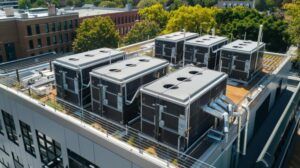
Image Source: Image by ahmadzada on Magnific
As infrastructure risks increase, preventative maintenance has become one of the most important tools available to commercial property operators.
Routine inspections help identify smaller issues before they escalate into emergencies. Monitoring plumbing systems, drainage performance, HVAC efficiency, roofing conditions, and mechanical components consistently allows facility teams to plan repairs more strategically rather than reacting under pressure.
Preventative maintenance also improves budgeting predictability. Emergency repairs are often more expensive not only because of the repair itself but because of the urgency, labor demands, scheduling disruptions, and secondary damage that may occur simultaneously.
Planned maintenance provides greater operational control while reducing the likelihood of sudden interruptions affecting tenants or customers.
Tenant Expectations Continue Rising
Commercial occupants increasingly expect buildings to operate reliably without frequent disruptions.
Tenants now evaluate commercial properties not only on location and aesthetics but also on operational consistency, indoor comfort, and maintenance responsiveness. Poor infrastructure performance can negatively affect tenant retention and overall property perception.
For retail environments especially, even temporary disruptions may influence customer traffic and revenue generation. As a result, property owners are placing greater emphasis on maintaining systems proactively rather than addressing problems only after failures occur. This operational reliability has become part of the broader tenant experience itself.
Building Performance Is Closely Tied to Infrastructure Health
Commercial property value depends heavily on the condition and reliability of underlying systems.
Even visually attractive buildings may experience declining performance if critical infrastructure is neglected over time. Investors, tenants, insurers, and facility operators increasingly recognize that long-term property performance depends on maintaining systems behind the scenes just as carefully as public-facing spaces.
Organizations such as Building Owners and Managers Association International continue emphasizing preventative maintenance and infrastructure planning as essential components of long-term commercial property management.
As operational expectations rise and infrastructure ages across many markets, proactive system oversight is becoming less optional and more necessary.
Infrastructure Problems Rarely Stay Isolated
One of the most important realities of commercial property management is that infrastructure systems are interconnected.
A plumbing issue may affect electrical systems. HVAC inefficiencies may influence moisture conditions. Drainage problems may impact foundations, access points, or tenant spaces. Small maintenance concerns rarely remain isolated for long once deterioration progresses. Because of this, early intervention remains one of the most effective strategies for limiting broader operational disruption.
Commercial properties function best when infrastructure systems are maintained consistently, monitored proactively, and treated as long-term operational assets rather than reactive repair concerns. In increasingly competitive commercial markets, reliability itself has become a critical component of property performance.
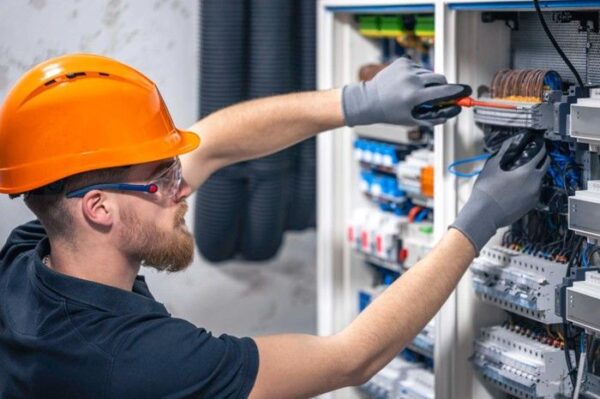
Feature Image Source: Image by pvproductions on Magnific






