










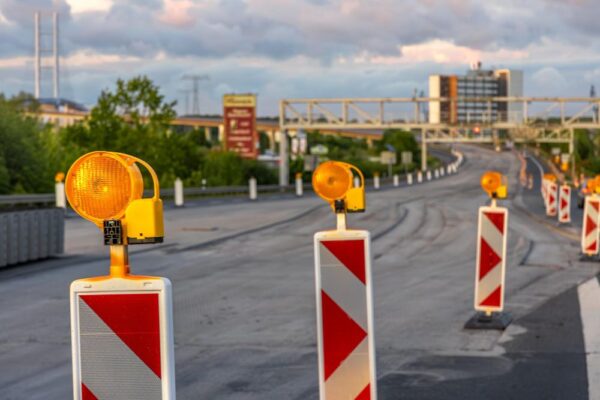
You often focus on timelines, budgets, and construction quality when managing urban projects, but traffic management also plays a critical role in their overall success. When it is poorly planned or executed, it creates risks that affect safety, efficiency, and public perception. Ignoring this aspect can quickly turn a well-planned project into a high-risk environment that impacts both your team and the surrounding community.
Working with an experienced traffic control company helps you avoid these issues by ensuring structured planning and safe execution from the beginning. With the right approach, you can maintain control over traffic flow while protecting everyone involved.
Increased Risk of Accidents and Injuries
Poor traffic management directly impacts safety on and around your project site. When traffic flow is unclear or improperly controlled, drivers and pedestrians are more likely to make unsafe decisions. This increases the likelihood of collisions, injuries, and unsafe working conditions, especially in high-traffic urban areas.
Without trained traffic control flaggers, your site becomes more vulnerable to sudden disruptions. These professionals play a critical role in directing vehicles, managing lane changes, and maintaining order. Their presence helps reduce confusion and allows both workers and the public to move safely through or around the work zone.
Traffic Congestion and Public Frustration
In urban environments, even minor disruptions can cause widespread congestion. Poor planning can quickly lead to traffic bottlenecks that extend beyond your immediate project area, affecting surrounding roads and daily commuters. As delays increase, frustration builds among drivers, pedestrians, and nearby businesses.
A professional traffic safety company, such as Right Traffic, helps manage these challenges by designing efficient detours and maintaining consistent traffic flow. Proper traffic management reduces disruptions and provides a safer, smoother experience for the public, which is crucial to maintaining long-term public support.
Project Delays and Operational Inefficiency
When traffic is poorly managed, your project timeline suffers. Delays in vehicle movement can disrupt deliveries, slow down crews, and create inefficiencies that affect overall productivity. Even small disruptions can lead to larger setbacks if they are not addressed quickly.
You may experience:
- Delayed material transport
- Interrupted workflow on-site
- Increased labor costs due to downtime
Reliable traffic control contractors help you avoid these setbacks by keeping movement organized and predictable. Their ability to manage flow efficiently keeps your project running smoothly without unnecessary interruptions.
Legal and Compliance Issues
Urban projects must comply with strict traffic regulations, and failing to do so can have serious consequences. Poor traffic management increases your risk of fines, penalties, and even project suspension.
You are responsible for maintaining compliance with all safety standards and legal requirements. This includes proper signage, certified personnel, and adherence to approved traffic plans. When these elements are not in place, your project becomes vulnerable to compliance issues that can affect both timelines and budgets.
Damage to Infrastructure and Surrounding Areas
Improper traffic control can force vehicles into unsuitable routes, leading to damage to nearby roads, sidewalks, and surrounding properties. Heavy vehicles may be redirected onto surfaces that are not designed to handle them, resulting in long-term damage.
Using the right equipment, including dependable traffic control rentals, helps you guide vehicles safely and prevent unnecessary strain on the surrounding infrastructure. Proper planning not only protects your project site but also maintains good relationships with the local community.
Poor Emergency Response Access
Inadequate traffic planning can block or delay emergency services, leading to serious consequences in critical situations. If access routes are not clearly maintained, emergency responders may struggle to reach the site quickly.
Maintaining clear and accessible routes is an essential part of your traffic management strategy. Proper planning allows emergency services to respond without obstruction, reducing risks and helping ensure that urgent situations are handled effectively.
Lack of Coordination and Communication
When traffic management is poorly organized, communication gaps can occur between teams, drivers, and authorities. This leads to confusion, inconsistent instructions, and a higher risk of errors on-site.
You may notice:
- Conflicting directions given to drivers
- Misalignment between crews and traffic personnel
- Increased chances of human error
Clear coordination helps maintain control and keeps traffic flowing smoothly throughout your project. Consistent communication between all parties is essential for maintaining both safety and efficiency.
Long-Term Reputation Damage
The effects of poor traffic management extend beyond your current project. Negative experiences for commuters and local communities can damage your reputation and influence how your company is perceived in future opportunities.
Public frustration, complaints, and visible disorganization can reduce trust in your work. On the other hand, well-managed traffic control reflects professionalism and reliability, which strengthens your reputation over time.
Conclusion
Poor traffic management can create a chain reaction of problems that impact safety, efficiency, and your reputation. By understanding these hidden dangers, you can take steps to prevent them before they affect your project.
When you prioritize proper traffic control from the start, you create a safer environment, maintain public trust, and ensure your project stays on track.
Frequently Asked Questions
What are the risks of poor traffic management in urban projects?
Poor traffic management can lead to accidents, project delays, legal issues, and increased public frustration. It can also impact worker safety and damage your project’s reputation.
How can poor traffic control affect project timelines?
Inefficient traffic flow can delay material deliveries, disrupt on-site operations, and increase downtime, slowing your project’s progress.
Why is hiring professional traffic control important?
Professional services ensure proper planning, trained personnel, and regulatory compliance, helping you maintain safety and efficiency throughout your project.
How can you improve traffic management on your project?
You can improve it by creating a clear traffic plan, using the right equipment, hiring experienced professionals, and maintaining consistent communication on-site.




