







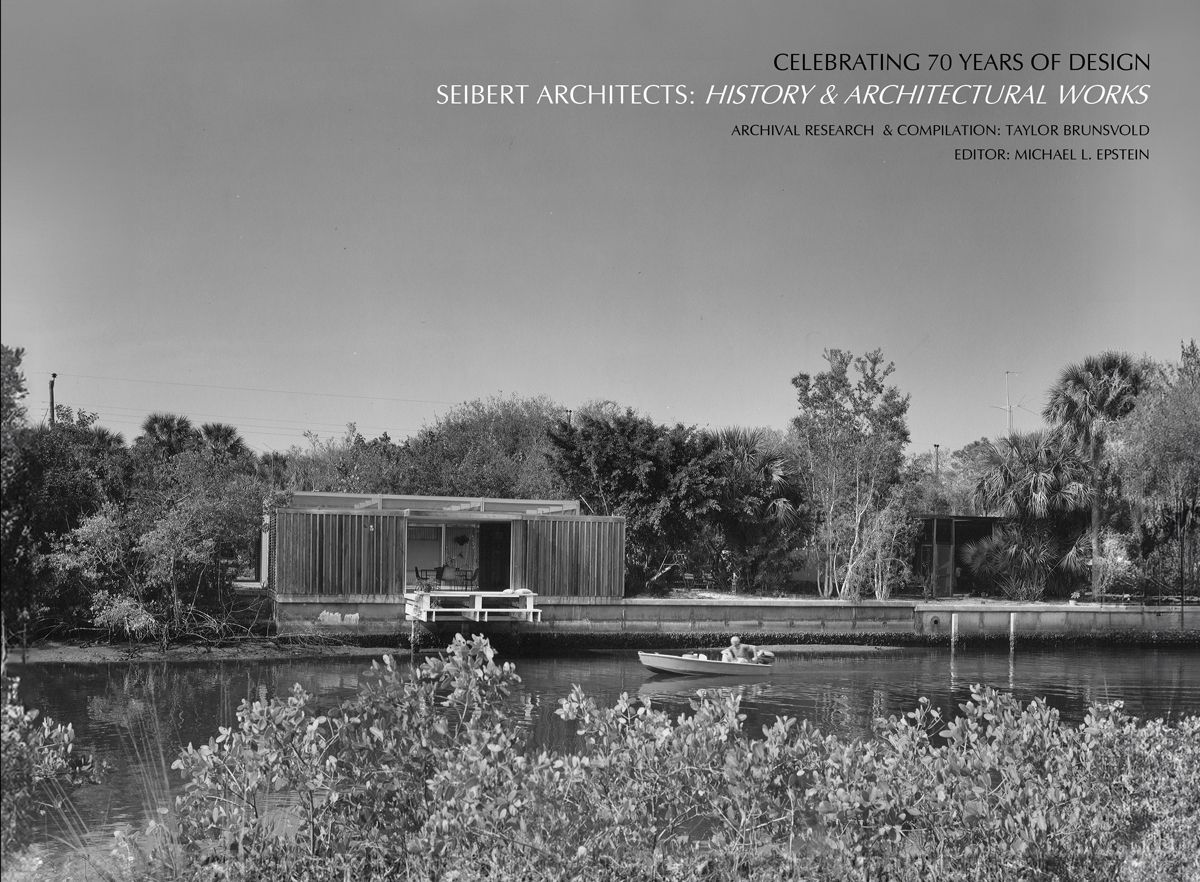
For Michael Epstein, the idea of writing a book about Seibert Architects didn’t arrive as a single moment of inspiration. The idea came gradually, shaped by time, memory and a growing sense of responsibility.
Epstein, now a principal at the firm, joined Seibert Architects in 1989. By then, the firm already carried decades of history. It was years later—after founder Tim Seibert passed away and the firm approached its 70th anniversary—that the urgency became clear. The result is “Celebrating 70 Years of Design – Seibert Architects: History & Architectural Works.”

“A few years after Tim passed, we began to think about this,” Epstein says. “It really seemed like the right time once we hit the 70th anniversary of the firm.”
What began as reflection soon became excavation. Epstein, with the help of intern architect Taylor Brunsvold, immersed himself in the firm’s archives, especially work created long before his tenure. With Brunsvold doing much of the excavation work, Epstein reviewed the findings and decided what to include.
While Epstein was familiar with many of the built projects still standing in Sarasota during the 1980s, the deeper archive revealed something more layered and, at times, surprising. Drawings of demolished structures, altered buildings and projects that were never realized filled in missing chapters.
“The archives had work that was never built or had been demolished or modified since being built,” Epstein says. “These filled in the gaps and revealed a more accurate look at the ideas behind the designs from those earlier days. Some of the most surprising ideas are in the unbuilt work.”
That ambition grew out of a larger movement—the Sarasota School of Architecture—and from the influence of architects who helped define it. Working alongside Seibert in the 1980s and 1990s, Epstein saw how ideas from figures like Paul Rudolph and Victor Lundy filtered into the firm’s work, especially Rudolph. “Tim worked for Paul Rudolph before he opened his own office and often passed on Rudolph’s architectural tenants and ideas to those willing to listen.”
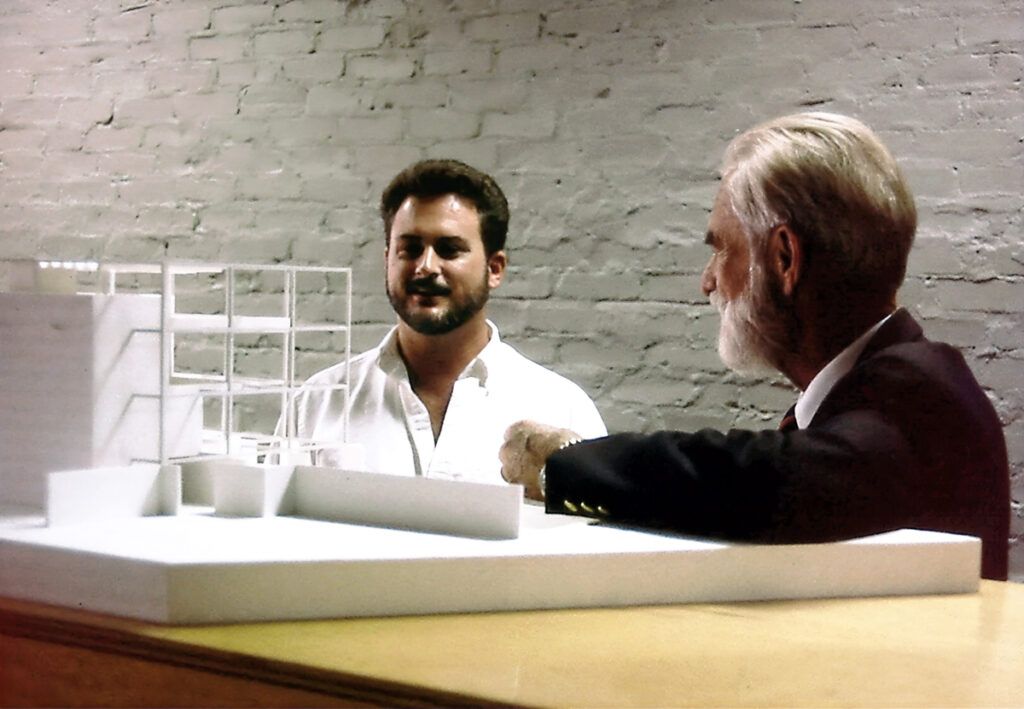
At the heart of the book is Seibert himself. An insightful, gifted and encouraging mentor, Seibert was gifted with an unmatched ability to tell stories. “Tim’s comments relative to my design work were always insightful, complimentary, and encouraging,” Epstein says. “He was amiable and charming, but nobody’s fool. He had the unique ability to simplify the complicated and to find the fun in almost any situation. He truly was a good role model.”
The book traces Seibert Architects from 1955 to today through archival photographs, drawings, renderings, writings and new documentation. It examines residential, commercial and civic projects—built and unbuilt—that continue to shape Sarasota’s physical and cultural landscape across styles, codes, materials and decades. “Times change; styles come and go; codes change,” Epstein says. “But the ideas embedded in those early works and the work since then are still valid today.”
That belief sits at the core of the book’s purpose. For readers—and especially for SARA members—Epstein says it offers a reminder that architecture grounded in place, climate and stewardship can endure. “We are still designing structures where inside and outside are a meaningful part of each other.”






