




A messy yard does more than hurt curb appeal. In Draper, UT, neglected outdoor spaces often lead to stressed lawns, clogged drainage, and increased pest activity. Wind from the foothills pushes leaves, dirt, and branches into hard-to-clean corners. Over time, small problems turn into larger repair costs.
That is why many homeowners schedule seasonal yard cleanup before damage starts. Some handle it themselves. Others work with local professionals like SolTerra Lawn & Pest to keep outdoor spaces manageable throughout the year.
Here is what many property owners overlook about yard cleanup in Draper.
Your Yard Impacts More Than Appearance
Most people focus on how their lawn looks from the street. The bigger issue sits underneath the debris.
Layers of leaves and dead grass trap moisture against the soil. That weakens grass roots and creates conditions where insects and fungi thrive. The University of California Agriculture and Natural Resources department explains that excess organic buildup can contribute to lawn disease and pest problems when airflow becomes restricted.
Poor yard maintenance also affects irrigation performance. Sprinklers struggle to distribute water evenly when debris blocks spray patterns or covers drainage paths.
For homeowners preparing to sell, outdoor condition shapes buyer perception quickly. A cluttered yard often signals deferred maintenance, even if the interior looks spotless.
Why Draper Homes Need Seasonal Cleanup
Draper’s climate creates specific lawn challenges.
Dry summers stress turf. Windstorms scatter debris across landscape beds and fence lines. Winter leaves compacted organic matter that blocks healthy spring growth.
Each season creates a different cleanup priority.
Spring
Spring cleanup usually involves:
- Removing compacted leaves
- Clearing dead grass
- Trimming winter damage
- Preparing irrigation areas
- Controlling early weed spread
This stage sets the tone for lawn growth through warmer months.
Summer
Summer maintenance focuses on keeping outdoor spaces functional.
Homeowners often deal with:
- Dry patches
- Weed overgrowth
- Pest nesting areas
- Overgrown shrubs
- Grass clippings collecting near foundations
Light maintenance during summer prevents larger cleanup projects later.
Autumn
Fall tends to create the heaviest workload.
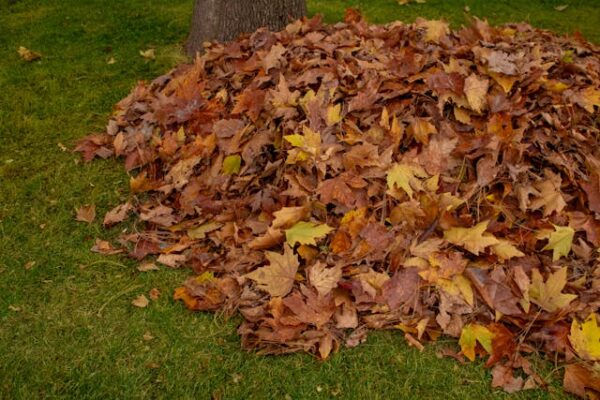
Leaves build up fast in Draper neighbourhoods with mature trees. Thick layers block sunlight and smother grass underneath.
The Environmental Protection Agency also warns that yard waste left near storm drains can contribute to local water pollution during rain events.
Areas Homeowners Commonly Ignore
Many cleanup efforts focus only on visible lawn areas. Hidden sections usually cause the bigger issues.
Let’s break it down.
Fence Lines
Fence edges collect:
- Leaves
- Weed growth
- Dirt buildup
- Rodent nesting material
These areas often stay untouched for months.
Under Decks and Patios
Shaded spaces trap moisture longer than open lawn areas. Organic buildup under decks becomes an ideal hiding place for spiders and rodents.
Landscape Beds
Mulch beds collect dead plant material quickly during windy seasons. If beds stay compacted with debris, plants receive less airflow and become more vulnerable to disease.
Around Air Conditioning Units
Grass clippings and leaves often pile around outdoor units. The U.S. Department of Energy states that keeping outdoor HVAC equipment clear improves airflow and operating efficiency.
Practical Yard Cleanup Tips
Homeowners do not always need expensive equipment to improve their yard condition.
Here are simple ways to stay ahead of major cleanup problems.
1. Work in Smaller Sections
Large cleanup projects feel overwhelming. Break the yard into zones instead.
Focus on:
- Front lawn
- Landscape beds
- Side yards
- Backyard
- Fence lines
Small sections help you finish faster without burning an entire weekend.
2. Remove Debris Before Watering
Wet leaves and grass become heavier and harder to remove. Cleanup works better when debris stays dry.
3. Trim Low-Hanging Branches
Branches close to the ground trap moisture and reduce sunlight across the lawn.
Pruning improves airflow and helps turf dry more evenly after watering.
4. Keep Gutters and Downspouts Clear
Overflowing gutters often dump water directly onto landscape beds, creating muddy areas and erosion near foundations.
5. Watch for Pest Activity During Cleanup
Yard cleanup often reveals:
- Ant colonies
- Rodent burrows
- Spider activity
- Wasp nesting spots
Spotting problems early helps prevent infestations later.
When Professional Yard Cleanup Makes Sense
Some yard cleanup projects go beyond basic maintenance.
Professional services help when:
- Debris buildup becomes excessive
- Tree litter returns constantly
- Large properties take too much time
- Rental homes need regular upkeep
- Pest activity increases near the yard
Local crews familiar with Draper conditions can usually identify recurring trouble spots quickly.
That local experience matters. Foothill properties often collect wind-driven debris differently than homes in flatter neighbourhoods.
Companies like SolTerra Lawn & Pest handle cleanup with an understanding of how local climate patterns affect lawns, pests, and landscaping through each season.
Yard Cleanup Helps Protect Property Value
Consistent yard cleanup supports more than appearance.
It helps:
- Reduce lawn stress
- Prevent drainage problems
- Limit pest activity
- Protect landscape investments
- Improve outdoor usability
Small maintenance habits often prevent larger restoration costs later.
Next steps are simple. Start with one neglected section of the yard. Remove debris regularly. Stay ahead of overgrowth before it spreads.
For many Draper homeowners, seasonal cleanup becomes easier when treated as routine maintenance instead of a once-a-year project.




