










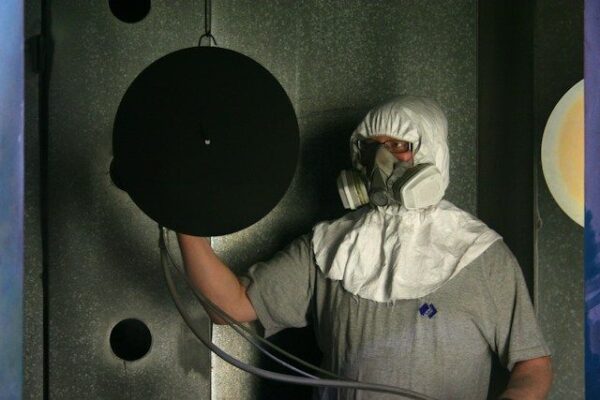
A commercial spray booth isn’t just a workspace; it’s a vital part of keeping operations safe and meeting regulations. For businesses that do industrial finishing, building a new spray booth or updating an old one is a big investment. Getting the design right from the start is crucial. It protects employees, prevents fires, and helps meet strict environmental standards, all while making sure your products get a high-quality finish. A mistake in the design phase can lead to expensive fixes, downtime, and serious safety risks.
This guide covers the main things to think about when designing a commercial spray booth. The goal is to make sure it’s safe and compliant, so your finishing operations run efficiently and securely for years.
Understanding Regulatory Requirements
Before you even start designing, you need to understand the many regulations that apply to spray finishing. Several key agencies in the United States set these standards. The Occupational Safety and Health Administration (OSHA) has rules focused on worker safety, including what’s needed for ventilation and personal protective equipment.
The National Fire Protection Association (NFPA), especially through its NFPA 33 standard, sets the bar for fire prevention in spraying areas. This standard covers everything from the materials used to build the booth to where electrical components and fire suppression systems should go. Then there’s the Environmental Protection Agency (EPA), which regulates emissions of volatile organic compounds (VOCs) and other hazardous air pollutants. On top of these federal rules, state and local building codes or fire marshals often have their own specific requirements, which might be even stricter. Navigating all these overlapping regulations is the first step toward a compliant design.
Key Design Elements for Safety
The physical structure of a spray booth is your first defense against hazards. Every part must be chosen with safety and compliance in mind. Booths need to be built from non-combustible materials, like steel. All electrical fixtures inside the booth or near its openings must be explosion-proof. This prevents sparks from igniting flammable vapors. A reliable fire suppression system is also essential, usually an automatic sprinkler system designed for the specific fire risks present.
The layout itself also plays a role in safety. There are several paint spray booth configurations, such as crossdraft, downdraft, and semi-downdraft models. Each offers different airflow patterns that affect how well overspray is controlled and how much operators are exposed. Often, getting the right mix of these elements means taking a custom approach. Working with specialists like high point pneumatics ensures the booth is designed not just to meet rules, but also for the specific materials and processes you use, boosting both safety and performance.
Ventilation and Air Quality Systems
Good ventilation is at the heart of a safe spray booth. Its main jobs are to remove flammable vapors, keeping their concentration below the lower explosive limit (LEL), and to exhaust harmful overspray, protecting the operator’s health. A complete system includes an exhaust fan to pull contaminated air out and a makeup air unit (MAU) to bring in fresh, filtered air to replace it.
The system must be engineered to maintain a specific airflow velocity, typically around 100 feet per minute, to effectively capture contaminants. Proper pressure balancing is also key; a slightly negative pressure makes sure vapors and overspray stay inside the booth and don’t escape into the rest of the facility. For the best containment, many modern facilities use a Permanent Total Enclosure (PTE). Understanding PTE design essentials is crucial for capturing almost all process emissions and sending them to an air pollution control device.
Operational Best Practices
Even a well-designed booth can be unsafe if it’s not used correctly. Setting up and enforcing strict operating rules is just as important as the initial construction. This starts with how you handle materials. Flammable liquids like paints and solvents should never be stored inside the spray booth itself; they belong in designated, approved fire-resistant cabinets.
Regular maintenance is another critical practice. This includes routinely checking and replacing air filters. Clogged filters can restrict airflow, creating a dangerous environment. Fans, belts, and fire suppression systems should also be on a regular inspection schedule. Finally, thorough employee training is essential. All operators must understand the booth’s safety features, proper spraying techniques, emergency procedures, and how to correctly use personal protective equipment (PPE).
Future-Proofing Your Finishing Space
When you’re designing a new spray booth, it’s smart to think beyond your immediate needs. Building in flexibility can save a lot of time and money later on. For example, consider designing a booth that can handle larger parts than you currently work with; this could open up new business opportunities. Think about future finishing technologies. Will you want to switch from solvent-based to water-based coatings down the line? The ventilation and drying requirements might be different.
Energy efficiency is another forward-thinking consideration. Adding variable frequency drives (VFDs) to fan motors lets you adjust airflow based on the task, saving significant energy during prep or curing cycles. As environmental regulations for VOCs continue to get stricter, investing in a highly efficient ventilation and filtration system now could prevent expensive retrofits later.
A thoughtfully designed spray booth is a long-term asset for your business. By putting compliance, safety, and operational efficiency first from the very beginning, you create a finishing environment that protects your team and supports high-quality production for years to come.






