





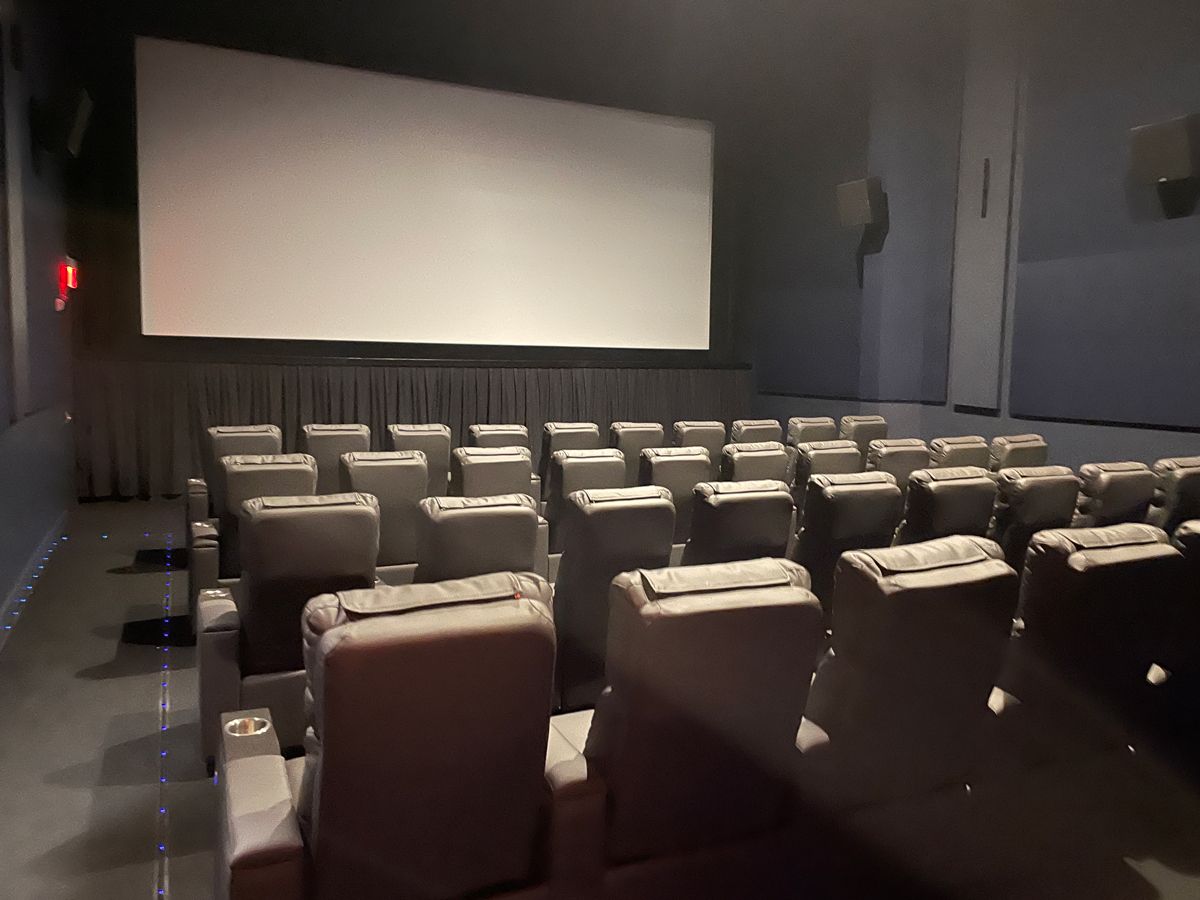
Wayfarer Theaters is not your typical cinema. Located in Highland Park, Illinois it was conceived as a counterpoint to mainstream theaters and the steady stream of Hollywood blockbusters that often glorify violence. Instead, Wayfarer curates films that emphasize spiritual and uplifting human stories. By highlighting diverse voices and stories that speak to resilience, compassion and connection the theater offers an experience intended to inspire, unite and enrich the soul.
That mission took on deeper meaning in the wake of the tragic Fourth of July parade shooting in Highland Park in 2022. As the community searched for ways to heal, Wayfarer positioned itself as a space of refuge and renewal. “We wanted to offer a theater where people could feel safe, inspired and comfortable,” says Clayton Stamper, Managing Director at Wayfarer Theaters. “It wasn’t about glitz or spectacle—it was about creating a calm environment for people to gather and be moved by stories of hope.”
From the outset, Wayfarer Theaters was envisioned as a stark contrast to the neon lights, booming soundscapes and overstimulation of conventional multiplexes. The building was designed with a clear metaphor in mind: the theater as a mountain with positive film content flowing outward into the community like a river.
“As opposed to the glitz and glamour of traditional movie theaters with lots of flashing neon lights and sensory overload we wanted to mute the overall experience and create a serene environment for our guests,” Stamper says.
That vision extended beyond the lobby and auditoriums into every part of the visitor experience—even the restrooms.
 Beyond Aesthetic Appeal
When the theater opened in early 2023 it quickly became clear that the restrooms did not align with the thoughtful design of the rest of the building. Harsh overhead lighting and outdated finishes created a jarring contrast.
“Shortly after opening our doors we realized that the restrooms needed serious upgrades instead of looking like a high school locker room from the 1980s,” Stamper says.
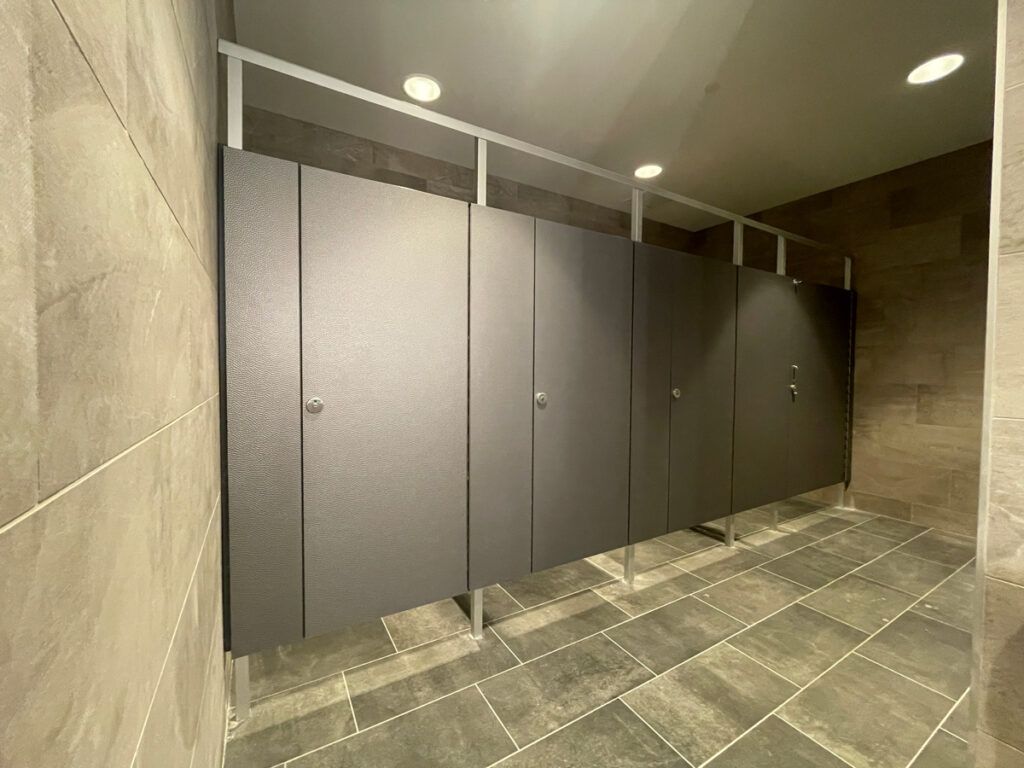
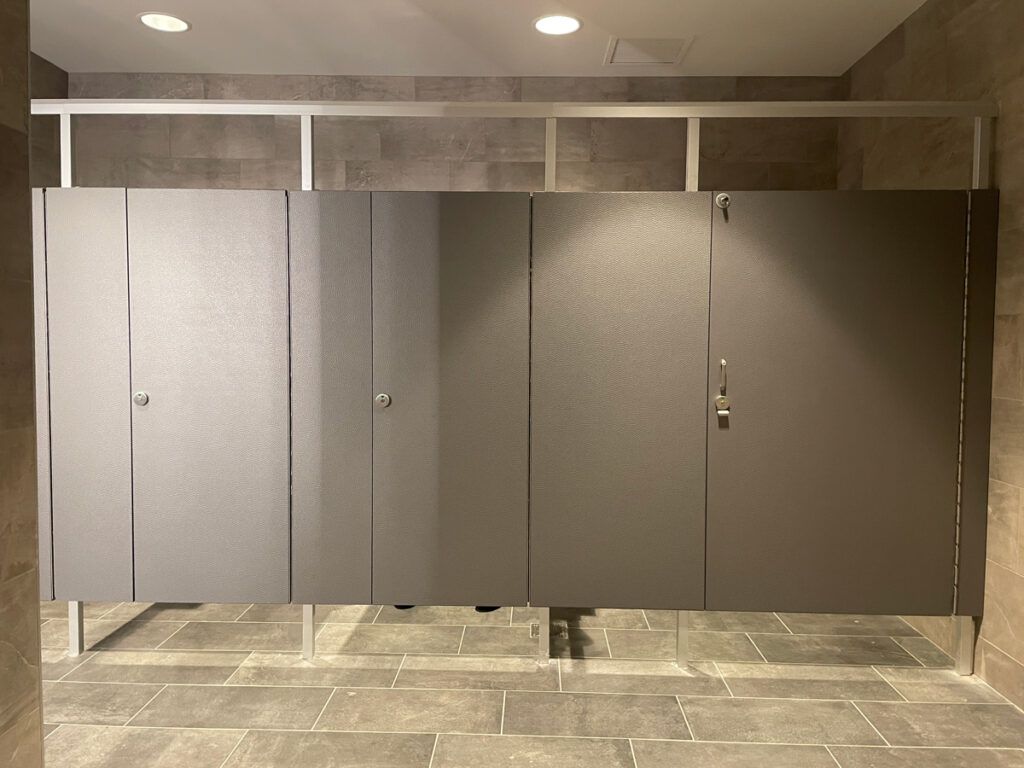
The design team reimagined the restrooms with the same guiding principles as the rest of the theater: serenity, comfort and inclusion. Harsh fluorescent lights were replaced with warmer tones while stone and slate finishes echoed the natural palette of the lobby. Privacy became a priority, responding to feedback from community members who emphasized the importance of feeling safe in vulnerable spaces.
Initially, urinal dividers were not included in the plans. But after hearing from local stakeholders the team reconsidered. “It’s part of our mission to be an inclusive space” says Stamper. “The community’s perspective opened our eyes to the fact that having increased privacy would put some users more at ease.”
Another guiding principle of the upgrades was simplicity. Automatic sensors were deliberately avoided in favor of manual handles and controls. The decision was as much about reliability as it was about design philosophy. By removing the possibility of malfunctioning sensors or confusing interfaces the theater created a timeless, user-friendly experience.
Boris Cubas, Principal Architect at OoMo Studios and lead designer for the upgrades, says the intent was to marry practicality with the overall design ethos. Part of that included using Scranton Products’s patterned HDPE selections and colors, which helped provide an upgraded appearance.
“Our client wanted restrooms that reflected the same sense of care as the rest of the building,” Cubas says. “That meant focusing on durability, comfort and privacy while making sure the materials and finishes aligned with the natural, elevated theme of the theater.”
The emphasis on longevity was deliberate. As a community-driven space Wayfarer wanted its facilities to remain easy to maintain and consistent in appearance for years to come. The updates were not about short-term impact but about creating spaces that would stand the test of time.
 A Community-Centered Vision
For both the design and theater teams the restroom renovations were about more than just aesthetics or functionality—they were about extending the theater’s mission into every aspect of the visitor experience. “To offer the most premium experience guests need to feel the most comfortable in the places where they are most vulnerable,” Stamper says.
Community members have taken notice. Since reopening after the upgrades the theater has received consistent feedback praising the improvements. “The most compliments we’ve received since reopening have been about the restroom upgrades highlighting the positive impact they’ve had on making people more comfortable,” Stamper says.
Wayfarer Theaters represents a different model for what a cinema can be. In an era where many theaters compete for attention through bigger screens, louder sound and flashier amenities Wayfarer chooses instead to offer calm, comfort and dignity. Its approach is rooted in the belief that every detail—from the films it screens to the lighting in its restrooms—contributes to the environment it creates.
“Designing a space is important, but knowing how to build it and adapt to real-world challenges is everything,” Cubas says. “Working in a community like Highland Park means negotiating every detail, listening to feedback and making sure the space truly serves the people who use it.”
Ultimately, the renovations underscore a simple but powerful idea: design is not only about how a place looks but how it makes people feel. At Wayfarer Theaters that feeling is one of peace, inspiration and belonging.
Kristen Warholic leads product development and marketing at Scranton Products, where she focuses on innovation, process improvement, and brand growth. She is committed to delivering solutions that combine lasting value with customer-focused design.






