









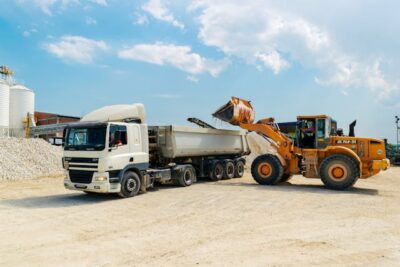
Transporting construction materials requires you to overcome complex logistical hurdles beyond simply transportation. You could be moving oversized steel beams, fragile glass panels, or heavy-duty excavators and each of these materials presents a unique challenge that requires specific solutions.
Construction managers and site planners can be better prepared to meet deadlines, adhere to regulations, and maintain equipment safety by understanding these obstacles for themselves.
Here, we explore key challenges and strategies.
1. Regulatory Compliance and Permitting
Moving large construction materials usually require special permits because of the size and weight restrictions. These will vary by state and municipality. There’s a benefit to working with an experienced oversized load transport company who is already familiar with these regulations.
Trying to navigate these requirements by yourself can become time-consuming because many materials will exceed the legal size for standard transport. Different states will impose strict guidelines on maximum load heights, widths, and weights. It’s a complex landscape when it comes to compliance.
It also goes beyond securing basic permits. Operators will need to adjust their route based on restrictions like bridge height, Rd. width, or weight limits on specific highways. Large items like steel beams will necessitate rerouting or splitting shipments which will add both time and cost to the project.
Beyond hiring the professionals, the simplest way to avoid unnecessary delays and fees is by adjusting your equipment configuration. Think about removing detachable parts or retracting oversized sections to reduce dimensions. Sometimes this eliminates the need for a wide load permit.
However, working with a knowledgeable partner who understands regional regulations will streamline this process for you significantly.
2. Safety in Transit
There are risks to transporting construction materials like shifting loads, weather damage, and road vibrations. All of these can lead to costly damage and even accidents. You need to safeguard your materials.
Use specialized equipment and loading techniques like vibration dampening trailers for sensitive items or climate controlled transport for temperature sensitive materials. Fragile or oversized lows will require extra stability during transport.
Each type of construction material is going to have its own handling needs. Heavy duty equipment is going to need a reinforced trailer and precise securing technique to avoid shifting. Shifting in transport could cause damage to the materials or an accident.
Materials like lumber or insulation may require more protective measures to prevent environmental damage during transit. Safety and transit means the safety of your materials and the safety of your driver and other people on the road.
You need to thoroughly understand each of the materials fragility and weight distribution and this can increase transit complexity and cost.
3. Bad Weather
Weather conditions can cause a significant challenge. Materials can be sensitive to moisture or temperature changes. Glass panels can shatter with extreme vibrations or cold. Metal beams can warp if exposed to intense heat.
There are a number of construction materials that will benefit from specialized protection. There are weather resistant coverings or climate several trailers. The trouble is that managing weather challenges can be unpredictable. there are sudden storms or cold sniffs that can come up mid transport. This is an area where preparation and flexibility are key.
4. Strategic Scheduling and Coordination
Construction materials can cause some project delays. You don’t want transport to add to these delays. Efficient scheduling is the only way for you to prevent project delays because construction sites often operate under tight deadlines.
When transporting oversized loads, you’ll often have to adjust the route to account for road restrictions or adverse weather conditions. A proactive approach includes using scheduling software to map out routes and preemptively reserve any specialized equipment or escort vehicles.
Reliable partners with already established networks can adjust quickly to disruptions and minimize your risk of downtime. Hiring a knowledgeable partner can make sure that your materials arrive precisely when they’re needed.
5. Choosing the Right Transport Partner
It’s always best to hire professionals. Finding a reputable transport partner can make all the difference in making sure that you have a smooth and timely delivery of your construction materials.
An experienced oversized load transport company can offer specialized services tailored to construction projects. They know about permit acquisition and advanced tracking systems. Choosing to work with this kind of provider means that you get Peace of Mind knowing that your materials are in the hands of experts.
Conclusion
There’s no denying that transporting construction materials comes with a range of unique challenges. There are complex regulations and material safety which is only complicated further by unpredictable weather conditions.
Every challenge requires specific planning. Whether it’s securing permits for oversized loads, implementing weather resistant packaging, or using appropriate trailers and tie down techniques.
By understanding these challenges and preparing for them in advance you can make a significant difference in avoiding costly delays while also maintaining the quality and safety of your materials upon arrival.






