










Most major building failures do not begin dramatically. They usually start through small issues that seem easy to postpone, a weak airflow problem, a minor leak, inconsistent electrical behavior, or equipment that appears to be functioning “well enough” for the moment. Because these warning signs often develop gradually, property owners and managers may not recognize how quickly small maintenance problems can evolve into much larger operational and financial risks.
The danger is that buildings depend on interconnected systems working consistently in the background every day. Heating, cooling, plumbing, electrical infrastructure, and ventilation all place pressure on one another over time. When maintenance is delayed repeatedly, even relatively minor inefficiencies can spread through surrounding systems and create larger failures that become far more expensive and disruptive to repair later.
HVAC Strain Often Begins Quietly
One of the most common examples of gradual building deterioration involves HVAC systems operating under hidden strain. Weak airflow, inconsistent temperatures, clogged filters, or longer cooling cycles often seem manageable at first because the system technically still works. Over time, however, these inefficiencies force equipment to operate harder continuously.
As strain increases, components wear down faster, energy usage rises, and cooling performance declines further. Small airflow restrictions can eventually affect compressors, motors, duct systems, and indoor air quality simultaneously. By the time complete failure occurs, surrounding parts of the system may already have suffered secondary damage.
This is why companies such as Penguin Air Phoenix Valley often emphasize preventive maintenance rather than waiting for full system breakdowns. Most expensive HVAC failures begin through subtle performance decline that property owners gradually adapt to instead of addressing early.
Minor Leaks Frequently Become Structural Problems
Water damage is another issue that usually starts with relatively small maintenance concerns. Minor plumbing leaks, roof vulnerabilities, or unnoticed moisture buildup behind walls rarely create immediate visible destruction. Instead, they slowly weaken surrounding materials over time.
Because moisture spreads gradually, building owners often underestimate the seriousness of the issue until mold growth, flooring damage, wall discoloration, or structural deterioration finally becomes visible. At that stage, repairs usually extend far beyond the original plumbing or leak source itself.
Small leaks are especially dangerous in multi-unit or commercial buildings where water can spread between walls, ceilings, and floors without immediate detection. Delayed maintenance frequently turns manageable repairs into major remediation projects involving structural restoration, tenant disruption, and long-term operational interruption.
Electrical Problems Rarely Appear All at Once
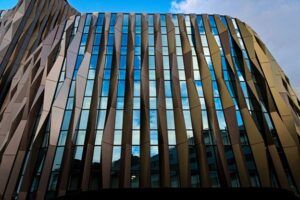
Image Source: Mi C on Unsplash
Electrical system failures also tend to develop slowly through warning signs many people overlook initially. Flickering lights, overloaded circuits, inconsistent breaker trips, or outlets that feel warm may seem like isolated inconveniences, but they often indicate larger infrastructure stress building behind the walls.
Modern buildings place far heavier electrical demand on systems than many older properties were originally designed to support. Additional appliances, devices, servers, charging systems, and climate equipment gradually increase strain on aging infrastructure over time.
When maintenance or upgrades are postponed repeatedly, electrical systems may continue functioning partially while hidden wear increases internally. The eventual result can involve equipment failure, fire risk, expensive rewiring projects, or widespread outages affecting multiple parts of the property simultaneously.
Deferred Maintenance Increases Long-Term Costs
One reason building failures become so expensive is because deferred maintenance almost always compounds over time. Small unresolved issues typically create additional strain elsewhere in the building, causing secondary damage that expands repair costs significantly.
A weak HVAC system increases energy usage while reducing air quality. A minor leak damages surrounding materials gradually. Poor ventilation increases humidity, which affects both comfort and structural stability. Aging electrical systems strain under heavier loads, accelerating wear across connected infrastructure.
Property owners often delay repairs attempting to avoid short-term costs, but the longer maintenance is postponed, the more likely systems are to fail in larger and less predictable ways. Preventive maintenance usually costs far less than emergency repairs involving widespread operational disruption.
Building Comfort Declines Before Major Failure Happens
Another overlooked reality is that buildings usually become less comfortable long before systems fail completely. Occupants may notice uneven temperatures, humidity imbalance, stale air, recurring odors, inconsistent water pressure, or unusual noise levels weeks or months before visible breakdown occurs.
These comfort changes are often early indicators that systems are already operating inefficiently behind the scenes. Because deterioration happens gradually, occupants sometimes adapt to worsening conditions without recognizing how much overall building performance has declined over time.
This slow decline affects more than comfort alone. Productivity, tenant satisfaction, operational efficiency, and long-term property value all become harder to maintain when infrastructure reliability weakens continuously in the background.
The Most Expensive Failures Usually Begin Small
Perhaps the biggest misconception about building failures is that serious problems always arrive suddenly. In reality, most major operational breakdowns begin through small maintenance issues that were initially considered minor, temporary, or non-urgent.
A slightly louder HVAC system, an occasional leak, weak airflow, or inconsistent electrical behavior may not seem alarming at first. Yet these subtle warnings often represent the earliest stages of much larger problems developing internally. By the time failure becomes obvious, the damage has frequently spread well beyond the original issue itself.
The buildings that remain most stable long term are usually the ones where small warning signs are addressed early rather than ignored until emergencies force action. Preventive maintenance matters because infrastructure failures rarely happen without warning. More often, people simply underestimate the importance of the quiet problems appearing long before something finally stops working completely.
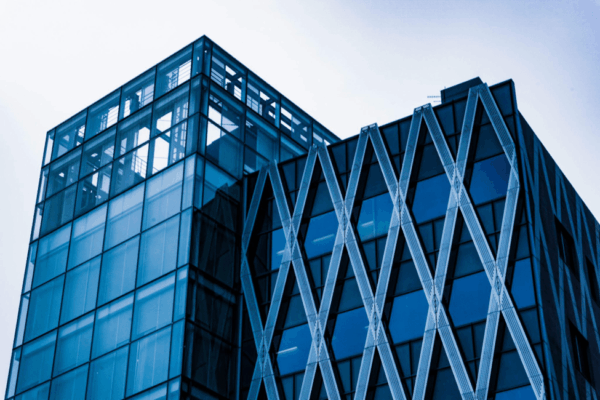
Feature Image Source: Xrdes on Unsplash






