











Stormwater isn’t just rain hitting pavement. It’s runoff carrying pollutants, eroding landscapes, and overwhelming systems. Left unmanaged, it damages property, harms ecosystems, and triggers costly penalties.
You need a plan that balances compliance with practical solutions. Regulations set the baseline, but best practices help you stay ahead. Let’s explore how to manage stormwater effectively and responsibly.
Know the Regulatory Frameworks
Stormwater management begins with understanding the rules. Federal, state, and local regulations define how projects must handle runoff.
- Federal standards: The Clean Water Act and guidelines issued by the U.S. Environmental Protection Agency (EPA) establish nationwide requirements for water quality. Permits under the National Pollutant Discharge Elimination System (NPDES) set the conditions for how construction sites and municipal systems must control runoff.
- State requirements: States often add their own standards, adapting them to regional conditions. These may include stricter monitoring, reporting, or design features.
- Local ordinances: Cities and counties impose site-specific rules. Urban areas may focus on protecting urban watersheds, while rural communities emphasize agricultural runoff.
By understanding these layers of compliance, you can design systems that meet expectations and avoid penalties. More importantly, they connect your work to broader water resources management goals, ensuring projects support sustainable development and resilient communities.
Assess Sites Early and Accurately
Start with a thorough site evaluation. Map runoff patterns, soil infiltration, and nearby stream channels. Early insights prevent costly redesigns and compliance headaches.
Go beyond surface checks. Test soil permeability, identify slopes, and consider seasonal rainfall patterns. These factors reveal where water will pool, where erosion may occur, and how runoff could affect neighboring properties. Missing these details often leads to expensive retrofits and regulatory setbacks.
Early input from specialists in drainage solutions can be valuable, since they’re able to analyze site-specific risks and recommend systems that manage water effectively from the start. Their insights help you design controls that align with regulations, reduce long-term maintenance costs, and protect both infrastructure and the environment.
Control Runoff in Construction Sites
Construction sites are especially vulnerable to runoff impacts. Sediment, debris, and pollutants can easily wash into waterways if left unchecked. Careful planning and temporary safeguards are essential to keep erosion under control and protect water quality.
Don’t overlook other contaminants like heavy metals, which may hitch a ride in stormwater, creating risks for compliance and public health. Regular inspections and clear documentation keep your project safe and aligned with regulations.
Sequencing construction activities can also make a difference. Limiting land disturbance through phased grading and stabilization reduces exposure, while temporary controls such as silt fences, check dams, or vegetative buffers provide protection until permanent systems are in place. These measures minimize environmental impact and lower the likelihood of costly enforcement actions.
Maintain Stormwater Systems
When construction wraps up, temporary safeguards give way to permanent stormwater systems. These structures are designed to manage runoff over the long term, protecting water quality and surrounding ecosystems.
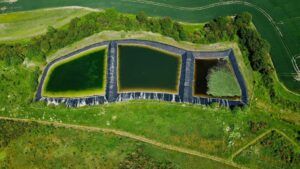
- Retention ponds: Hold stormwater temporarily, allowing sediments and other contaminants to settle before water is released downstream. Regular dredging and vegetation management keep them effective.
- Bioswales: Vegetated channels that slow runoff, filter contaminants, and promote infiltration. They function like vegetative buffers but are more engineered and integrated into site design.
- Permeable pavement systems: Allow water to pass through the surface into underlying layers, reducing pooling and easing pressure on drainage networks.
Well-maintained stormwater treatment systems protect water quality and preserve fish and wildlife habitat. Consistent upkeep is essential, since neglected systems quickly lose effectiveness and can trigger violations. Routine inspections, sediment removal, and clear scheduling of upkeep tasks ensure systems continue performing as designed.
Use Technology to Stay Ahead
Modern tools make stormwater management smarter. Modeling software predicts runoff under different conditions, while sensors and monitoring systems provide real-time data. These technologies reduce guesswork, helping teams plan, adjust, and prove compliance with confidence.
Digital platforms can also centralize inspection records, automate reporting, and flag maintenance needs before they become violations. Geographic information systems (GIS) add another layer, allowing teams to visualize watershed impacts and design solutions that fit both regulatory requirements and local environmental realities. Innovation here pays off in savings, sustainability, and stronger compliance.
Train Teams and Build Partnerships
Stormwater management isn’t a solo effort. Crews need training to spot risks early and respond quickly, while clear communication across teams prevents costly mistakes. Building this awareness ensures that everyone on site understands both the environmental stakes and the regulatory requirements.
Partnerships strengthen this foundation. Working with regulators, community groups, and stormwater utilities aligns goals, builds trust, and reinforces compliance. Collaboration creates accountability beyond the job site, helping projects meet standards while supporting broader community and environmental priorities.
Document and Report Effectively
Strong records protect your project. Document inspections, maintenance, and corrective actions consistently, and use digital tools to make tracking easier and more reliable. Organized reporting reduces the chance of oversights and ensures issues are addressed before they become more serious.
Thorough documentation also proves compliance and shields you from penalties. It demonstrates to regulators and stakeholders that stormwater management is taken seriously, building credibility and reinforcing your commitment to responsible practices.
Final Thoughts
Stormwater management is more than a regulatory requirement. It’s a responsibility to protect communities, ecosystems, and future projects.
By following best practices, you’ll reduce risks, save costs, and build resilient systems. Commit to proactive management, and you’ll meet regulations while making a lasting impact.






